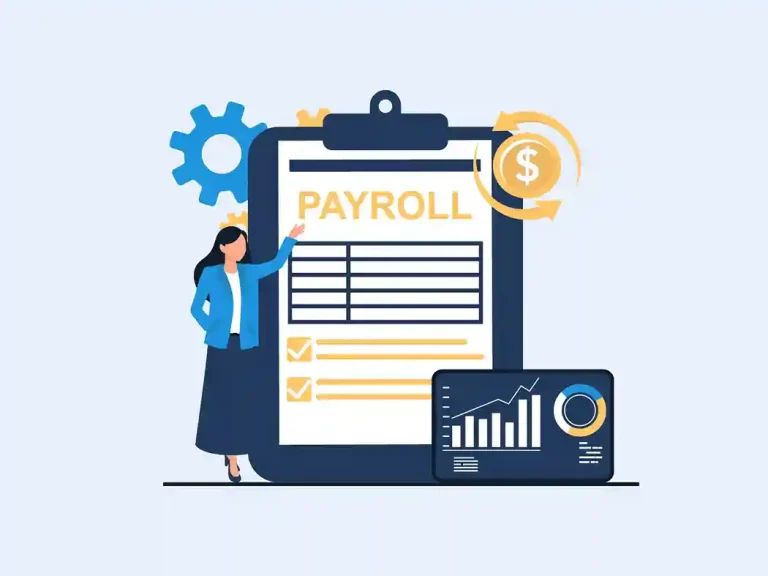
Payroll services for small business are becoming an important choice for companies that want accurate employee payments and proper tax records. Managing payroll involves many tasks, including salary calculations, tax deductions, reporting, and filing deadlines. A small mistake can create penalties, extra costs, and stress for business owners.
In the US, payroll tax compliance involves managing federal, state, and local payroll requirements, including accurate tax calculations, employee reporting, and timely filing of required forms. Many small businesses struggle because payroll laws can change, employee details can vary, and tax forms require careful attention.
Professional payroll services for small business provide organized payroll management with expert knowledge and reliable processes. These services reduce errors, maintain records, and allow owners to focus on daily business activities.
What You Will Learn From This Blog
- How payroll services for small business manage payroll tasks and tax duties.
- Why payroll tax compliance is important for small businesses.
- Common payroll challenges faced by growing companies.
- Features to check before selecting payroll services for small business.
- Best practices for maintaining accurate payroll records.
- How Meru Accounting manages payroll processes for businesses.
What Are Payroll Services for Small Business?
Payroll services for small business provide professional solutions to manage employee payments, tax calculations, payroll reports, and employee records. These services handle tasks such as calculating wages, bonuses, deductions, and required tax amounts based on current rules.
Accurate payroll processing reduces payment errors and keeps employee information organized. These services also maintain payroll records, including payment history, tax details, and filing documents, making future reviews and audits easier.
Outsourcing payroll tasks reduces administrative work for business owners and provides clear payroll reports with payment details, deductions, and tax information for better financial decisions.
Why Payroll Tax Compliance Matters for Small Businesses
Payroll tax compliance requires businesses to follow federal, state, and local tax rules related to employee payments, reporting, and employer responsibilities.
In the United States, businesses must manage payroll taxes, tax forms such as Form 941, Form W-2, and Form W-4, and employer tax deposits accurately while meeting filing deadlines to avoid penalties and maintain proper records.
Avoiding Tax Penalties
Incorrect payroll tax filings can lead to penalties and interest charges. Following proper procedures reduces the risk of unexpected financial costs.
Maintaining Accurate Financial Records
Accurate payroll records create better financial control. They also provide important documents during tax reviews or business audits.
Building Employee Confidence
Employees expect correct payments and proper tax deductions. Reliable payroll management creates trust between businesses and employees.
Meeting Legal Requirements
Tax authorities require businesses to follow payroll rules. Proper payroll tax management ensures that companies meet their legal responsibilities.
Supporting Business Growth
Growing companies need organized systems for increasing employee numbers. Good payroll practices create a strong base for future expansion.
Common Payroll Tax Compliance Challenges
Small businesses face several difficulties when managing payroll tasks internally. Lack of time, changing rules, and limited knowledge can create problems.
Changing Tax Regulations
Tax rules can change regularly. Business owners may find it difficult to track every update while managing other responsibilities.
Incorrect Tax Calculations
Manual calculations can lead to mistakes in deductions and payments. Even small errors may affect employee records and tax filings.
Missing Filing Deadlines
Late submissions can result in penalties. Businesses must monitor important dates for payroll reports and tax payments.
Poor Record Management
Missing documents or incomplete records create problems during reviews. Proper storage of payroll information is necessary.
Limited Payroll Knowledge
Many small business owners do not have specialized payroll knowledge. Professional assistance provides access to trained experts.
Role of Payroll Services for Small Business in Managing Payroll Tax Compliance
Payroll services for small business play an important role in maintaining accurate payroll systems. These services create structured processes for calculations, reporting, and tax tasks.
Accurate Tax Calculation
Professional payroll providers use updated systems to calculate employee taxes. This reduces manual mistakes and keeps payroll information accurate.
Timely Tax Filing
Payroll specialists track filing dates and prepare required documents. Timely submissions reduce the chances of penalties.
Updated Payroll Processes
Reliable providers follow current payroll rules and update their methods when regulations change. This keeps business records aligned with requirements.
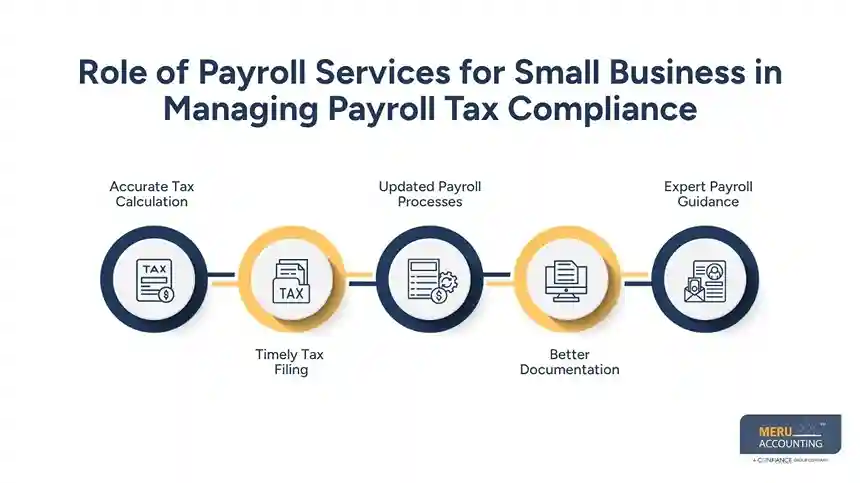
Better Documentation
Payroll services for small business maintain organized records of payments and tax details. Proper documentation supports business reviews.
Expert Payroll Guidance
Professional payroll teams provide guidance when businesses face payroll questions. Expert support helps businesses make accurate payroll decisions.
Key Features to Look for in Payroll Services for Small Business
Choosing the right payroll provider requires careful evaluation. Businesses should select providers that match their needs and offer accurate payroll management.
Automated Payroll Processing
Automation reduces manual work and improves calculation accuracy. It allows payroll tasks to be completed in a structured way.
Tax Filing Assistance
A reliable provider should manage tax filing tasks and maintain proper records. This feature is important for payroll tax compliance.
Employee Self-Service Options
Many payroll providers offer employee portals that allow workers to access payment details and tax documents easily. This reduces repeated questions for business owners.
Data Security Measures
Payroll information contains sensitive employee details. Providers should use secure systems to protect business and employee data.
Detailed Payroll Reports
Clear reports show wages, deductions, and tax information. These reports support financial planning and record reviews.
Benefits of Using Payroll Services for Small Businesses
Payroll services for small business provide several advantages for companies that need accurate payroll management.
Better Accuracy in Payroll Tasks
Professional systems reduce calculation mistakes and maintain consistent payroll processing. Accurate records create better financial control.
More Time for Business Activities
Outsourcing payroll reduces the time spent on administrative duties. Owners can focus on customers, operations, and growth plans.
Lower Risk of Tax Errors
Payroll specialists understand filing rules and reporting needs. Their knowledge reduces risks connected with incorrect tax information.
Improved Record Organization
Payroll providers maintain payment records and tax documents in an organized format. This makes information easier to access when needed.
Cost Control
Hiring a full internal payroll team can be expensive. Outsourced services provide professional support without large staffing costs.
Mistakes That Lead to Payroll Tax Compliance Issues
Many payroll problems occur because businesses do not follow proper procedures. Understanding common mistakes can prevent future issues.
Incorrect Employee Information
Wrong employee details can affect tax calculations and payment records. Businesses should review employee information regularly.
Ignoring Tax Updates
Using outdated tax information may create filing errors. Businesses need current payroll practices.
Poor Payroll Record Storage
Lost documents can create problems during audits. Businesses should maintain complete payroll files.
Missing Payroll Reviews
Regular payroll reviews identify mistakes before they become larger issues. Review processes create better control.
Handling Payroll Without Expertise
Managing payroll without proper knowledge increases risk. Professional payroll services for small business provide trained support.
Best Practices to Maintain Payroll Tax Compliance
Maintaining payroll tax compliance requires regular attention and organized processes.
Keep Payroll Records Updated
Businesses should update employee details, payment records, and tax information regularly. Accurate records support correct reporting.
Review Payroll Reports
Regular reviews identify unusual payments or calculation errors. Businesses can correct issues before filing deadlines.
Follow Filing Calendars
Keeping track of tax deadlines prevents late submissions. A payroll calendar creates better planning.
Train Internal Staff
Employees handling payroll should understand basic payroll rules. Training reduces common mistakes.
Work With Experts
Professional advice provides better control over payroll responsibilities. Experts can guide businesses through complex payroll tasks.
How to Choose the Right Payroll Services for Small Business
Selecting the correct provider requires attention to experience, features, and service quality.
Check Industry Experience
Choose providers with experience supporting small businesses. Industry knowledge creates better payroll management.
Review Service Features
Compare services such as tax filing, reports, payroll processing, and employee support. Select features that match business needs.
Consider Data Protection
Payroll providers must protect sensitive information. Secure systems are important for maintaining confidentiality.
Evaluate Customer Support
Good communication is important when payroll questions arise. Reliable support creates smoother payroll operations.
Compare Pricing Options
Businesses should review pricing structures before selecting a provider. The right service should offer value based on business requirements.
Why Choose Meru Accounting?
Managing payroll requires accuracy, timely reporting, and proper documentation. At Meru Accounting, we help small businesses organize payroll processes through structured workflows and professional accounting support. Our team manages payroll calculations, employee records, deductions, and reporting requirements while following established compliance practices.
We focus on maintaining accurate payroll information and reviewing records regularly to reduce errors. Our payroll support helps businesses keep payment details, tax documents, and reports organized, making it easier to handle reviews and financial planning.
With experience in accounting and bookkeeping services, Meru Accounting combines professional knowledge with technology-based solutions to provide reliable payroll management. Our approach allows business owners to reduce administrative workload, improve payroll accuracy, and focus more on growing their business.
Our Expert Perspective
Payroll management requires accuracy, proper recordkeeping, and a clear understanding of tax requirements. Small businesses need organized processes to manage employee payments, deductions, reports, and filing responsibilities while reducing the risk of errors.
At Meru Accounting, we believe effective payroll management depends on accurate records, regular reviews, and consistent processes. Our team follows professional accounting practices to provide reliable payroll support and help businesses maintain better financial control.
Key Takeaways
- Payroll services for small business manage salary processing, tax records, and payroll reporting.
- Payroll tax compliance reduces the risk of penalties and filing problems.
- Professional payroll providers maintain accurate employee and tax information.
- Small businesses can save time by outsourcing payroll responsibilities.
- Regular payroll reviews support accurate financial records.
- Meru Accounting provides reliable payroll support with organized processes.
- Choosing the right payroll provider requires checking experience, security, and service features.
FAQs
Payroll services for small business manage employee payments, tax calculations, payroll records, and reporting tasks for companies.
Payroll tax compliance is important because it ensures businesses follow tax rules and avoid penalties caused by incorrect filings.
Yes, small businesses can outsource payroll tasks to professional providers that manage calculations, reports, and tax requirements.
Payroll services use organized systems and expert review processes to reduce mistakes in payments, deductions, and tax records.
Choose a provider with payroll experience, secure systems, clear pricing, and strong support for business needs.
optional anymore
on running the business