



Many QuickBooks users find it hard to fix or remove incorrect payroll liabilities. Often, they either do not know how to delete a liability adjustment in QuickBooks Desktop or are unsure how to adjust payroll liabilities in QuickBooks Online. This guide covers both QuickBooks Desktop and Online with simple steps to manage, adjust, and clear payroll liabilities.
What Are Payroll Liabilities in QuickBooks?
Payroll liabilities are the amounts a company owes but hasn’t yet paid. These include taxes withheld from employees, employer payroll taxes, health insurance premiums, retirement contributions, and wage garnishments. If not handled right, these liabilities can cause tax filing errors and financial trouble.
What Is a Payroll Liability Adjustment?
A payroll liability adjustment corrects payroll-related errors. These could be:
- Wrong tax amounts entered
- Overpaid or underpaid liabilities
- Incorrect employee or company contributions
- Changes to benefits like 401(k), HSA, or FSA
Adjustments help bring your payroll records in line with what should have been recorded.
How to Delete Payroll Liability Adjustment in QuickBooks Desktop
If you made a payroll liability adjustment by mistake or need to fix one, follow these steps in QuickBooks Desktop:
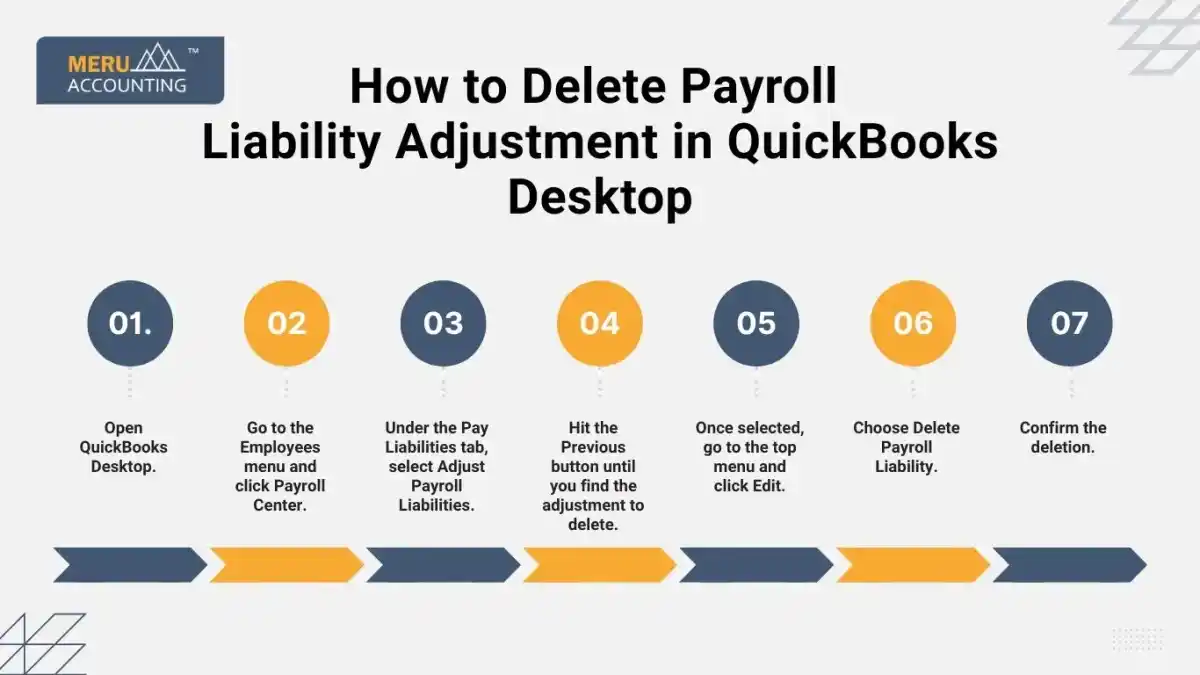
- Open QuickBooks Desktop.
- Go to the Employees menu and click Payroll Center.
- Under the Pay Liabilities tab, select Adjust Payroll Liabilities.
- Hit the Previous button until you find the adjustment to delete.
- Once selected, go to the top menu and click Edit.
- Choose Delete Payroll Liability.
- Confirm the deletion.
This will remove the adjustment from your records. Always review before deleting.
How to Adjust Payroll Liabilities in QuickBooks Desktop
To fix payroll liabilities instead of deleting them:
- Go to the Employees menu > Payroll Center.
- Click the Related Activities drop-down > Adjust Payroll Liabilities.
- Choose the right Effective Date.
- Pick the correct employee or agency.
- Enter the payroll item and amount to adjust (positive to increase, negative to decrease).
- Add a memo for clarity.
- Click OK to save.
Use this option to correct tax amounts, benefits, or wages previously entered wrong.
How to Clear Payroll Liabilities in QuickBooks Desktop
To clear payroll liabilities that have been paid or do not need payment:
- Go to Payroll Center > Pay Liabilities tab.
- Select the liabilities to clear.
- If the payment has already been made manually, click Mark as Paid.
- If needed, go to Adjust Payroll Liabilities to zero out the balances.
Double-check each liability to avoid clearing something that still needs to be paid.
How to Adjust Payroll Liabilities in QuickBooks Online
QuickBooks Online doesn’t have the same steps as Desktop but adjustments can still be made:
- Click the Gear icon > Payroll Settings.
- Under Liability Settings, go to Tax Setup.
- Choose the tax item you want to adjust.
- Update the amount or date if needed.
- You can also contact QuickBooks Payroll Support to make backend adjustments.
For fixing wages or benefits, you may need to edit the employee profile or paycheck.
Common Reasons for Payroll Liability Adjustments
- Entering the wrong tax type (Federal vs. State)
- Errors in year-to-date (YTD) wage or tax amounts
- Adding new benefit items incorrectly
- Recording a manual check outside QuickBooks
- Overstating or understating employer contributions
Knowing the reason helps choose the right method: adjust, delete, or clear.
How to Audit Payroll Liabilities in QuickBooks
Auditing helps spot errors and ensure compliance:
- Run the Payroll Summary Report.
- Review Payroll Liability Balances.
- Compare reports with tax filings (941, W-2, etc.).
- Match liabilities to actual payments made.
- Confirm rates and limits for taxes and benefits.
- Fix any discrepancies by adjusting payroll liabilities.
How to Account for Payroll Liabilities in the General Ledger
- Record gross wages as a debit to Payroll Expense.
- Record withholdings (taxes, 401(k), etc.) as credits to Payroll Liabilities.
- When payments are made, debit the Payroll Liabilities and credit Bank.
This method keeps your books accurate and aligned with payroll actions.
How to Clean Up Payroll Liabilities in QuickBooks
Cleaning up means removing old or wrong entries:
- Run the Payroll Summary and Payroll Liability Balances reports.
- Match every amount with actual payment or liability.
- Adjust any incorrect figures.
- Delete duplicate or fake entries.
- Use memos to track changes.
- Reconcile the payroll liability account with bank statements.
Regular cleanup avoids future payroll and tax issues.
Tips for Handling Payroll Liabilities in QuickBooks
- Always back up QuickBooks before major changes.
- Keep notes or memos for each adjustment.
- Run reports monthly to stay current.
- Review payroll items for correct setup.
- Reconcile payroll accounts every month.
- Use the Payroll Checkup tool in QuickBooks Desktop.
When to Seek Help for Payroll Liability Issues
If your liabilities are off by a large amount or span several periods, consult a payroll professional or accountant. Also, if penalties or tax notices arrive, fix the records before contacting the IRS or state agencies.
QuickBooks Payroll Support can also help you make backend changes that aren’t available in your version.
Managing payroll liabilities in QuickBooks is vital for clean books and timely tax payments. Whether you use QuickBooks Desktop or Online, knowing how to delete a liability adjustment in QuickBooks Desktop or adjust payroll liabilities in QuickBooks Online can save time and avoid errors. Regular reviews and accurate records help maintain payroll health.
Always review, adjust, and clear liabilities with care. When in doubt, consult a QuickBooks expert or payroll advisor to stay compliant and error-free.


