


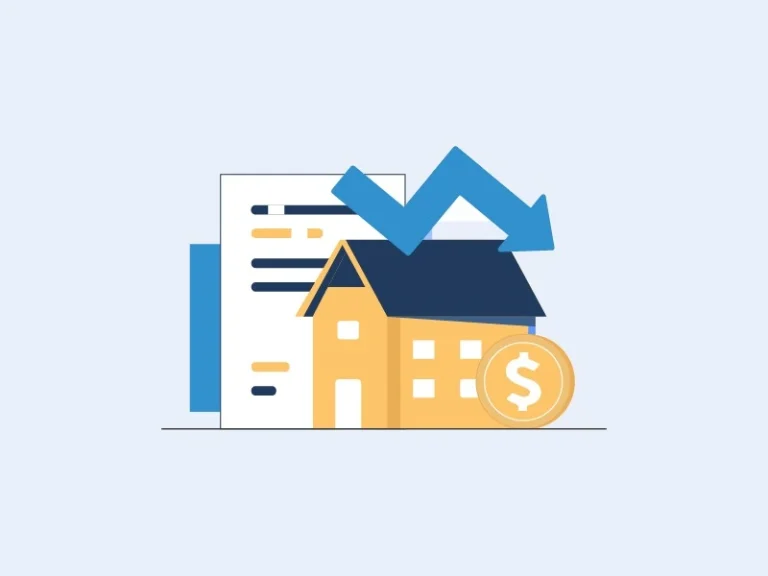
Accounting for real estate business often feels hard at first. Many owners see value grow, yet books show lower totals. This gap creates doubt during reviews and planning talks. Many feel unsure about what numbers truly show.
Real estate accounting brings order to this issue. It tracks assets, costs, and usage over time. It helps show how value changes year by year. This gives better insight for long-term plans.
When done with care, accounting for real estate business becomes a strong support tool. It helps plan cash flow, tax work, and growth steps. With the right method, reports feel clear and useful.
What You Will Learn From This Blog
- Basic ideas of accounting for real estate business, including asset tracking and reports.
- Different ways to depreciate property and their effect on value and taxes.
- Best steps for asset management, like tracking use, repairs, and upgrades.
- How to keep records correct and maintain financial control and compliance.
- How to use accounting data for smart decisions and long-term plans.
Understanding Accounting for Real Estate Business
Accounting for real estate business tracks cost, income, and value over time. It records buy price, running costs, and asset life. This system helps keep records clean and supports better money choices.
Role of Asset Records in Property Accounting
- Asset records form the base of real estate accounting. Each asset gets a clear cost and life span. This helps owners track value with ease.
- Records include land cost, build cost, and past upgrades. These details help with tax work and reviews. Without clear data, reports may show wrong figures.
Why Depreciation Matters in Property Books
- Depreciation spreads asset cost across its useful life. It shows wear and use over time. This method helps match cost with income earned.
- In accounting for real estate business, depreciation lowers taxable income. It also shows a fair asset value. This helps owners plan sales or upgrades with trust.
How Asset Tracking Improves Financial Control
- Asset tracking helps watch cost, use, and value. It shows where money goes and where value grows. This supports smart planning and cost control.
- Clear tracking also helps avoid missed repairs or hidden loss. It keeps records clean and up to date.
Depreciation Methods Used in Real Estate Accounting
Different methods help record how asset value reduces over time. Each method suits a different asset type or use pattern. Choosing the right one keeps records clear and useful.
Straight Line Method in Property Accounting
- This method spreads the asset cost evenly across its full life. It is easy to apply and easy to review. Many owners prefer it for steady assets.
- It works well for buildings with stable use. Yearly cost stays the same. This helps with clear budget planning.
Accelerated Depreciation Method
- This method incurs more cost in the early years. It helps reduce taxes in the short term. Assets that lose value fast suit this method.
- It needs careful use to avoid mistakes. Proper review helps ensure correct use and reports.
Component-Based Depreciation
- This method splits a property into parts. Roofs, lifts, and systems are tracked alone. Each part has its own life span.
- This gives a true view of wear and use. It also helps plan repair and replacement work, which is crucial in accounting for real estate business.
Unit of Use Depreciation
- This method links cost closely to actual asset use. It works well for assets measured by output or time.
- Cost increases as asset use grows over each period. It fits assets with uneven or changing usage patterns. This approach helps match cost with real asset use.
Review and Adjustment of Depreciation
- Asset life and value may change over time. Reviews help adjust rates when needed. This keeps records fair and current in accounting for real estate business.
- Regular checks also help avoid errors. They support accurate financial reports in accounting for real estate business.
Asset Management in Real Estate Accounting
Asset management focuses on value, use, and return. It helps owners plan, track, and control costs. Strong systems support better decisions in accounting for real estate business.
Tracking Asset Performance Over Time
- Each asset should be reviewed often. Rent flow, repair cost, and use rate affect value. Tracking is a key practice in accounting for real estate business.
- Clear data helps guide repair or sale plans. It also supports steady cash flow.
Capital Improvement Planning
- Capital work adds long-term value to assets. This includes upgrades, repairs, and new builds. These costs must be tracked as assets.
- Proper records help measure return on spend. They also support tax planning.
Asset Disposal and Sale Tracking
- When assets are sold or removed, the records must change. Gains or losses from the sale should be noted clearly. This process keeps all accounting books accurate and up to date.
- Good tracking helps review the full life of each asset. It also supports clean audits and smooth financial reporting.
Asset Life Review and Updates
- Asset life must be checked often for changes or use. Wear and tear may change the asset’s set plan.
- Updates keep all asset values fair and close to real. This step helps avoid too high or too low reporting. It also helps owners make clear and smart choices.
Reporting and Control Measures
Clear reports show asset health and value. Regular reviews improve control and trust. They support better financial choices. Strong reporting helps teams act with confidence.
Common Challenges in Real Estate Accounting
Even skilled owners face record issues in accounting for real estate business. These often come from weak systems or missed steps.
Inconsistent Record Keeping
- Mixed tools and late updates cause gaps. This leads to missing data and weak reports. Regular updates reduce these risks.
- Clear systems save time and effort in accounting for real estate business. They also help during checks or audits.
Incorrect Depreciation Estimates
- Using the wrong asset life or method can distort reports. This can affect tax calculations and overall planning work. Regular reviews help ensure asset values stay accurate and fair.
- Expert help can identify and fix errors at an early stage. This approach helps avoid bigger problems later in accounting records.
Lack of Asset Visibility
- Missing asset lists cause blind spots. This affects repair plans and value checks. A full asset list solves this issue.
- Accounting for real estate business depends on clear records. Strong data support better control.
Delayed Financial Reporting
- Late entries or missing updates delay reporting. This slows down decision-making and planning. Timely updates keep information current.
- Regular reporting ensures owners see asset health. It also supports smooth audits and reviews.
Compliance and Regulatory Challenges
- Failing to meet tax or legal rules causes penalties. Clear records reduce such risks. Compliance checks ensure rules are followed.
- Accounting for real estate business must follow all laws. Strong practices help avoid fines and errors.
How to Improve Real Estate Accounting Practices
Better systems bring long-term gains for your business. Small steps in accounting for real estate business can lead to good future results.
Use Consistent Accounting Methods
Pick one method and use it for all assets. This builds clear records and trust with all partners. It also makes audits and reviews simple and fast.
Review Asset Records Often
Check assets often to catch errors before they grow. This keeps all asset values fair and up to date. Frequent reviews make reports accurate, clear, and reliable.

Seek Professional Support When Needed
Large or mixed portfolios often need expert accounting help. Skilled support saves time and lowers costs for owners. It also improves record quality and ensures proper compliance.
Implement Clear Reporting Schedules
Set fixed times for reporting and reviewing all assets. This keeps financial data correct and prevents mistakes later. Clear schedules help teams make good decisions on time.
Adopt Reliable Accounting Software
Use software to track all assets, costs, and income. It reduces errors and speeds up accounting work easily. This method ensures accuracy and better control over finances.
Case Example: Property Portfolio Review
A mid-sized firm checked its asset records after years of growth. Many assets did not have clear cost or value data. After the review, all asset values were fixed and updated. The update made reports better and lowered the tax risk.
Leaders gained a clear view of assets and financial status. Planning became easier and clearer for future choices. The firm could now track each asset with ease, strengthening accounting for real estate business efficiency.
Real Estate Accounting Services by Meru Accounting
Meru Accounting offers real estate accounting services for all businesses. We track assets, costs, and income in a clear way. Our work keeps all records correct, simple, and up to date.
Asset Setup and Classification
At Meru Accounting, we set up asset records in a clear, correct way. Each property shows cost, type, and its full life span. Good classification keeps accounting simple and easy to follow.
Depreciation Planning and Management
We help apply the right depreciation for each property. Depreciation spreads the cost across the full life of the assets. This keeps profit reports correct and tax work simple.
Ongoing Asset Tracking
At Meru Accounting, we track asset use and value over time clearly. Tracking covers rent, repairs, and other key costs often. Frequent updates let owners make clear, smart choices fast.
Review and Reporting Services
We check records and make clear, simple reports for owners. Reports are easy to read and help with audits. Regular reports keep data correct and ready for planning.
Support for Strategic Decisions
We help with asset upgrades and sales decisions properly. Our advice helps owners plan work and lower financial risk. These services make accounting for real estate business clear, safe, and smart.
Key Takeaways
- Accounting for real estate business helps owners make smart choices.
- Depreciation shows how assets lose value over their life.
- Tracking assets often improves clarity and aids better decisions.
- Regular checks of records help avoid errors and mistakes early.
- Expert help can improve accuracy and long-term financial results.
FAQs
Accounting shows value and cost in a clear, simple way. This also helps owners plan and make smart choices. Good records help avoid mistakes and lower financial risks.
Depreciation spreads asset cost over its full life span. This shows fair use and gives a true asset value. It also helps with tax work and simple planning.
Owners should check asset records at least once per year. Regular checks keep all data correct and ready for use. Frequent reviews help spot errors or missing details early.
Small owners gain from clear and simple accounting records. Using set methods helps with planning and keeps reports correct. Good accounting builds trust and avoids costly mistakes later.
Tracking helps ensure correct tax work and proper reports. It also finds deductions and prevents errors or penalties. Tracking gives owners a clear view of all asset performance.


