


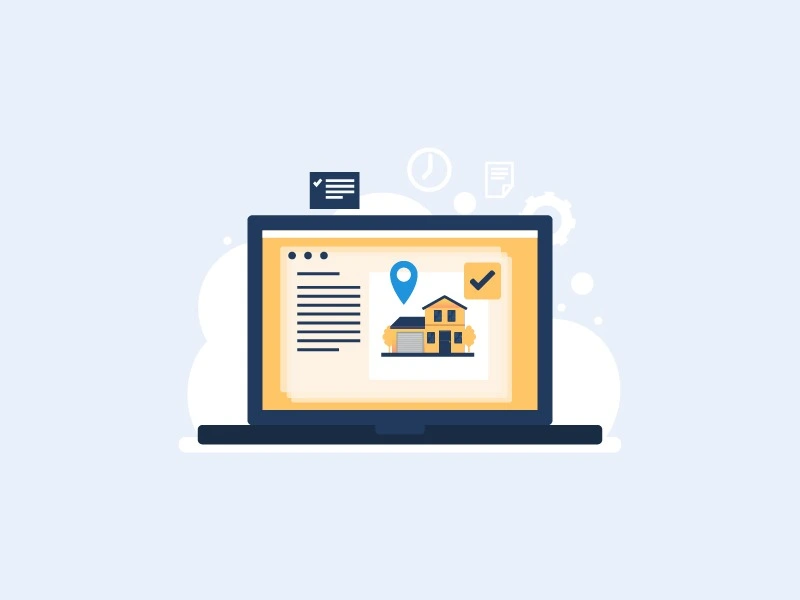
Running many buildings can be hard without proper tools. Real estate asset management software helps watch building work quickly and clearly. It shows income, costs, and tenant details in one view. Managers can track rent, bills, tenants, and repair tasks easily.
Watching the right figures lets managers and investors make smart choices. Without clear data, buildings may earn less, or opportunities may be missed. Real estate asset management software makes tracking, reports, and plans easy for each building. It also gives views across all buildings to guide investments.
Good figure tracking helps managers plan cash use and cut risks. Old spreadsheets and scattered notes can be replaced fully. Managers gain more time for strategy, tenant care, and building growth.
What You Will Learn from This Blog
- How real estate asset management software helps track key figures efficiently.
- Ways to improve building operations and overall performance.
- Methods to reduce risks and make smart investment decisions.
- Practical tips for building managers, investors, and real estate teams.
- How software simplifies reporting and daily property management tasks.
Key Metrics Every Real Estate Manager Should Track Using Real Estate Asset Management Software
1. Occupancy Rate
- The occupancy rate shows what part of a building is leased. Low occupancy may show work or marketing issues. High occupancy shows strong demand and good care.
- Real estate asset management software tracks empty units and lease end dates. Alerts tell managers about tenants leaving soon.
- Trends over time show long-term building appeal. Managers can compare buildings to guide choices.
- Correct occupancy tracking stops lost income from empty spaces. Charts show seasonal changes in tenant interest.
2. Net Operating Income (NOI)
- Net operating income shows rent minus building costs. It gives a view of profit before loans or taxes.
- Real estate asset management software adds rent and bills automatically. Tracking NOI lets managers compare buildings and check work.
- Watching NOI each month helps find problems fast. Past data shows trends for long-term plans.
- Investors use NOI to check the value before purchase. High NOI shows strong work and growth potential.
3. Cash Flow
- Cash flow shows the real money a building earns monthly. Positive cash flow keeps work smooth and funds safe.
- Real estate asset management software tracks rent and costs clearly. Alerts help stop late rent or fund gaps.
- Software forecasts cash for future planning. Cash flow reports help with loan forms or refinancing.
- Managers can plan upgrades or fixes without surprises. Cash flow tracking keeps buildings safe and funds ready.
4. Tenant Retention Rate
- Tenant retention shows the percentage of tenants who renew leases. High retention lowers empty spaces and the cost of change.
- Real estate asset management software tracks lease ends and tenant notes. Managers can see patterns and fix issues early.
- Learning tenant behavior helps improve services and care. Retention steps include early talk and fast repairs.
- High retention raises building trust and investor faith. Software can send auto lease reminders for ease.
5. Maintenance Costs
- Maintenance costs affect building profit directly. Surprise repairs or poor care cut returns. Real estate asset management software logs requests and costs. Managers can plan funds and schedule checks easily.
- Preventive care lowers sudden repair costs. Tracking patterns shows repeat issues in buildings.
- Software helps prioritize costly tasks first. Fewer maintenance surprises keep tenants happy and reduce complaints.
6. Lease Expiration and Renewal Dates
- Tracking lease ends is key for future plans. Real estate asset management software gives alerts for renewals.
- Managers can talk to tenants early to stop empty units. Lease tracking keeps cash flow steady and tenants happy.
- Software also warns of rent hikes or new terms. Early planning improves tenant talk and avoids last-minute issues. Managers can forecast occupancy and income with data.
7. Debt Service Coverage Ratio (DSCR)
- DSCR shows if income can cover building loans. Low DSCR may show high debt or risk. Real estate asset management software calculates DSCR automatically.
- Investors and lenders use it to check financial health.
- High DSCR shows good income and investment strength.
- Tracking DSCR keeps buildings within loan rules. Investors can plan loan moves before trouble starts.
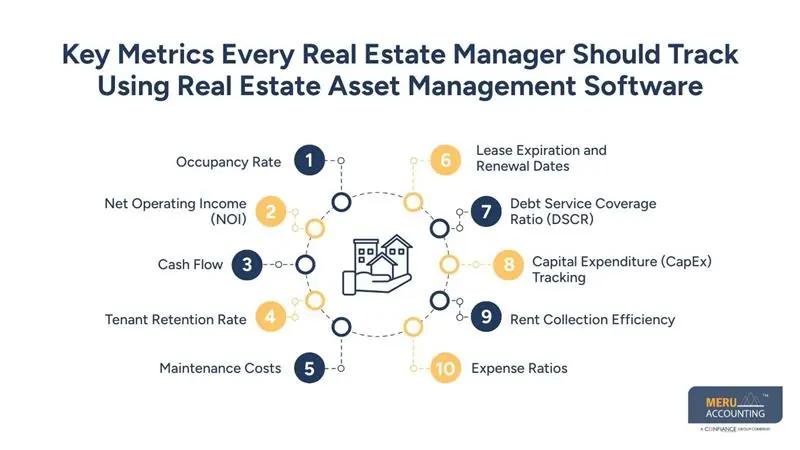
8. Capital Expenditure (CapEx) Tracking
- CapEx tracks spending on upgrades or fixes. Tracking CapEx keeps costs within plan and return goals.
- Real estate asset management software logs spend and tracks ROI. Good CapEx plans raise building value and long-term profit.
- CapEx tracking helps explain costs to investors. Managers can pick to spend by urgency or ROI. Software forecasts upgrades and helps with budget plans.
9. Rent Collection Efficiency
- Rent collection efficiency shows how fast rent is paid. Late rent hurts cash flow and work.
- Real estate asset management software tracks late rent and sends alerts. Managers can spot tenants with repeated delays for action.
- Software shows late rent patterns for each building. Fast rent collection raises profit and cuts the manager’s load. On-time rent keeps funds ready for repairs and fixes.
10. Expense Ratios
- Expense ratios show costs as a share of income. High ratios show poor care or overspend.
- Real estate asset management software tracks costs vs budgets. Managers can lower costs and raise NOI.
- Expense ratios show which buildings cost more to run. Software alerts unusual or unexpected spend. Comparing ratios across buildings helps make better choices.
Benefits of Using Real Estate Asset Management Software
- Gives real-time views of building funds and daily work.
- Makes watching many buildings at once simple and clear.
- Cuts errors in accounts, reports, and planning tasks.
- Shows trends and risks early for quick action.
- Helps buy, sell, or invest in buildings wisely.
- Raises tenant care levels and boosts lease renewals.
- Saves time by reducing manual logs and reports.
- Adds clear insight for investors and property managers.
- Tracks key figures across all buildings in one place.
Importance of Tracking Key Metrics
- Tracking key figures helps managers make smart and timely choices. It supports better planning and reduces guesswork in daily tasks.
- Without proper tracking, buildings may lose value or fail to meet goals. Missed data can lead to poor choices and slow growth over time.
- Real estate asset management software helps spot issues early. Early alerts allow quick action before problems grow larger.
- Key figures like occupancy, cash flow, and NOI guide daily decisions. These numbers show how well a building performs each month.
- Investors can compare buildings and choose where to invest wisely. Clear data builds trust and supports long-term planning.
- Data shows which buildings perform well and which need care. This helps focus time and money on the right properties.
- Tracking trends helps managers stay ahead of problems. It allows teams to act before small issues become costly.
How Real Estate Asset Management Software Works
Data Collection
Logs rent, costs, and tenant info automatically. This removes manual entry and cuts data errors.
Analysis
Finds figures like NOI, cash, and occupancy. Helps managers understand how each building performs.
Reporting
Shows dashboards, charts, and alerts for managers. Reports make it easy to review data in one place.
Forecasting
Predicts future rent, costs, and occupancy. This helps plan budgets and avoid cash issues.
Decision Support
Gives insights for daily work and long-term plans. Managers can act fast using clear data views.
Automation
Cuts tasks like alerts and report creation. Saves time and lowers manual work stress.
Integration
Works with account and tenant tools easily. This keeps all data linked and up to date.
Customization
Dashboards and charts can fit each building. Users can view only the data they need most.
How Real Estate Asset Management Software Supports Growth
Real estate asset management software helps firms grow in a planned way. It shows clear data that supports smart growth plans. When managers see clear numbers, they can choose when and where to expand.
The software helps compare old and new assets easily. It shows which sites perform well and which need help. This helps avoid risky choices and supports steady growth. With clear data, teams can plan new buys with less risk.
Growth becomes easier when the data is simple to read. Managers can set goals and track progress over time. This makes expansion safe and well planned.
Case Study / Real-Life Example
A small firm ran ten buildings manually. Occupancy, cash, and repairs were unclear. After using real estate asset management software, all figures were clear and fast. Vacancies dropped by 15 percent, costs were under control, and tenants stayed longer.
Auto alerts reminded managers about rent, repairs, and lease dates. Staff saved ten hours weekly from old reports. Investors liked clear, correct figures. This shows how software helps real work.
Real Estate Asset Management Services by Meru Accounting
Data Migration Support
At Meru Accounting, our team moves data safely from old systems to new software. This ensures records stay correct and easy to access.
Dashboard Setup and Custom Views
We create clear dashboards for daily tracking needs. Each view shows key data in a simple and useful way.
Ongoing Support and Assistance
Our experts provide regular help after setup is complete. Support ensures the system runs well at all times.
Improved Decision Making
Clear data helps managers make better choices. Our service supports smart planning and strong results.
Risk Control and Data Accuracy
We help reduce errors and manage risks with clean data. Accurate reports support steady growth and control.
Better Property Performance
With the right tools, teams manage properties with ease. This leads to higher value and stronger long-term results.
Key Takeaways
- Real estate asset management software makes figure tracking easy.
- Occupancy, cash, and NOI are the key figures.
- Software cuts mistakes and helps with planning.
- Watching tenants and repairs ensures long-term gain.
- Tools boost portfolio work and reduce risks.
- Clear figures help plan cash and growth.
- Automation saves time, gives reports, and adds clarity.
FAQs
Real estate asset management software helps track rent, costs, leases, and building data in one place. It helps owners manage property work with ease.
It helps owners track income, control costs, and manage tenants. It also shows clear data to make smart choices.
It helps reduce errors, save time, and improve profit. It also keeps all data safe and easy to access.
Yes, it tracks rent due, late fees, and payment history. It also sends alerts for unpaid rent.
Yes, it tracks lease dates, tenant details, and renewals. This helps avoid empty units and lost rent.


