



Introduction to Accounting for Electricians Who Want Better Control Over Cash Flow
For electricians and electrical contractors, maintaining accurate and effective accounting practices is essential for achieving better control over cash flow. Cash flow management is a critical component to ensure business sustainability, timely payment of expenses, and growth opportunities. This comprehensive guide on accounting for electricians explores the fundamental principles, strategies, and tools that electricians can implement to optimize their financial health and streamline their accounting processes.
Understanding the Basics of Accounting for Electricians
Accounting can sometimes feel complex and overwhelming, especially for electricians who want to focus on their craft rather than complicated finances. However, understanding the basics is the foundation for effective cash flow control. This section provides an overview of the essential accounting concepts every electrician should know.
Key Accounting Terms for Electricians
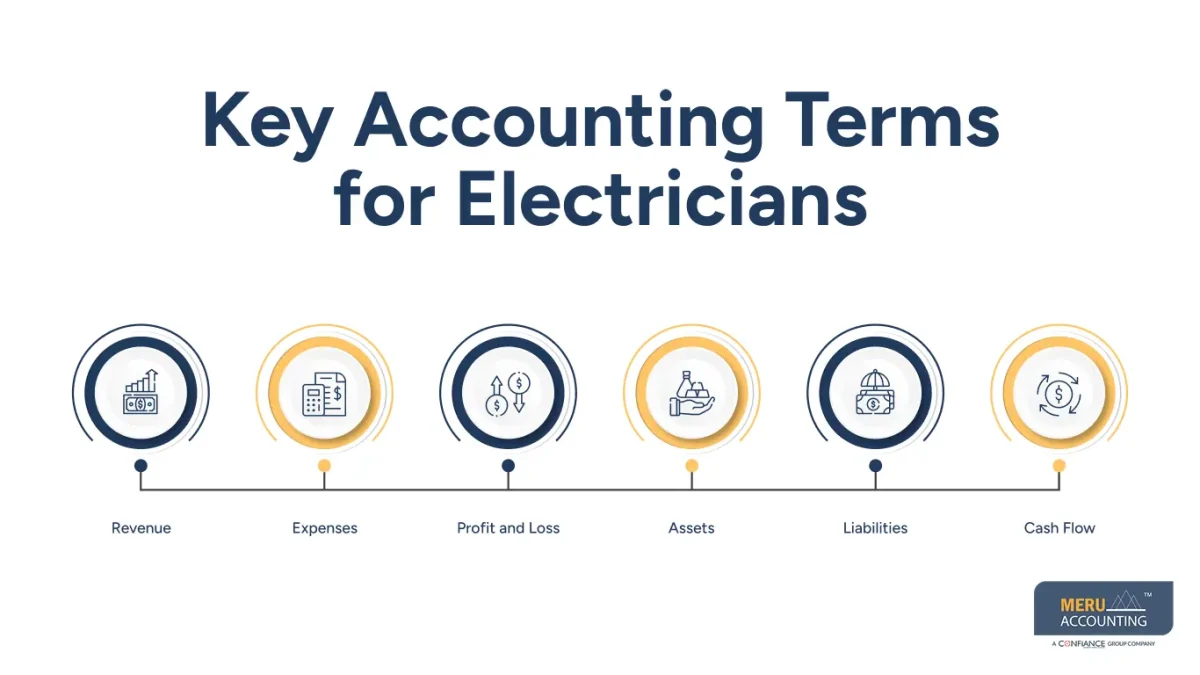
- Revenue: Money earned from providing electrical services or selling electrical products.
- Expenses: Costs incurred in running the business such as tools, materials, transportation, and labor.
- Profit and Loss: The financial result after subtracting expenses from revenue.
- Assets: Valuable resources owned by the business, including equipment, vehicles, and accounts receivable.
- Liabilities: Financial obligations such as loans, unpaid bills, and taxes owed.
- Cash Flow: The inflow and outflow of cash in the business at any given time.
Importance of Accounting for Electricians
Keeping accurate records helps electricians monitor their financial health, calculate taxes accurately, and avoid cash shortages that can cripple their operations. Without proper accounting, electricians may struggle with invoicing clients appropriately, tracking expenses, and saving strategically for tax payments and unforeseen business expenses.
Why Cash Flow Management Is Crucial for Electricians
Electricians often work on contracts, which means cash flow can be unpredictable. Effective cash flow management ensures that electricians have enough cash available to cover daily expenses, pay employees and subcontractors, and invest in growth opportunities. This section covers the core reasons why cash flow should be carefully monitored and managed.
Common Cash Flow Challenges Faced by Electricians
- Delayed Payments from Clients
- Unexpected Project Costs
- Seasonal Demand Fluctuations
- Managing Payroll and Tax Obligations
- Balancing Equipment Purchases and Maintenance
Benefits of Controlled Cash Flow
Electricians who maintain control over their cash flow can:
- Meet financial obligations without delays, strengthening supplier and client relationships.
- Plan strategically for slow periods or business expansion.
- Invest in training, new technology, or marketing efforts.
- Maintain better credit terms with lenders and suppliers.
Setting Up an Accounting System Tailored for Electricians
Choosing the right accounting system is pivotal. Electricians need to adopt systems that can handle the unique aspects of their work, including job costing, invoicing, tax tracking, and expense management.
Key Features to Look for in Accounting Software
- Job Costing Capability to Track Costs by Project
- Invoicing and Payment Tracking Tools
- Expense Categorization and Receipt Management
- Payroll Management for Employees and Subcontractors
- Tax Filing Assistance and Compliance Tracking
- Mobile Accessibility for On-the-Go Expense and Time Tracking
Popular Accounting Software for Electricians
Examples of accounting software solutions suitable for electricians include QuickBooks, Xero, FreshBooks, and specialized industry solutions that offer integrated features catering to electrical service providers.
Tracking Income and Expenses: The Cornerstone of Cash Flow Control
Accurately tracking all income and expenses provides a clear picture of your financial standing and cash flow cycle. For electricians, detailed tracking helps identify profitable projects and flag areas where costs can be reduced.
Best Practices for Tracking Income
- Create detailed invoices documenting labor, material costs, and taxes.
- Follow up promptly on overdue payments.
- Use software to automate invoicing and payment reminders where possible.
Strategies for Expense Management
- Maintain organized receipts for all business-related purchases.
- Separate personal and business expenses with dedicated business accounts.
- Review expenses monthly to identify unnecessary or excessive costs.
- Budget ahead for recurring expenses like licenses, equipment rental, and insurance.
Job Costing and Project Management Accounting for Electricians
Electrical businesses typically handle multiple projects simultaneously, each with varying scopes, costs, and payment terms. Implementing job costing allows electricians to assign costs and revenues to specific projects, providing detailed insights and enhanced cash flow management.
What Is Job Costing?
Job costing is the process of tracking all costs related to a specific project including materials, labor, subcontractors, and overheads. It enables electricians to calculate project profitability accurately and make data-driven decisions about pricing and resource allocation.
How to Implement Job Costing Effectively
- Break down projects into tasks and assign estimated costs for each.
- Monitor actual expenses against estimates regularly.
- Track labor hours by the project using timesheets or mobile apps.
- Generate financial reports showing profitability per project.
Managing Taxes and Compliance for Electrical Businesses
Accounting for electricians also involves managing tax obligations and complying with regulatory requirements. Proper tax planning can prevent costly penalties and maximize available deductions.
Common Tax Considerations for Electricians
- Income Tax – Self-employment and corporate income taxes.
- Sales Tax – Depending on jurisdiction, sales tax may apply to materials and services.
- Payroll Taxes – Contributions and withholdings for employees.
- Excise Taxes – Applicable to certain equipment or fuels.
- Estimated Tax Payments – Quarterly payments to avoid underpayment penalties.
Tips to Stay Tax Compliant
- Maintain organized records with supporting documentation for all deductions.
- Consult a tax professional specializing in trades and construction businesses.
- Schedule regular accounting reviews before tax deadlines.
- Utilize accounting software features designed for tax preparation and reporting.
Financial Reporting and Analysis for Better Decision Making
Regular financial reporting offers electricians a snapshot of their cash flow status, profitability, and overall financial health. This empowers business owners to make informed strategic decisions.
Essential Financial Reports for Electricians
| Report Type | Description | Purpose |
|---|---|---|
| Profit and Loss Statement | Summary of revenues and expenses over a specified period | Measures overall profitability |
| Balance Sheet | Snapshot of assets, liabilities, and equity | Shows business financial position at a point in time |
| Cash Flow Statement | Shows inflows and outflows of cash | Monitors liquidity and ability to meet cash obligations |
| Job Costing Report | Detailed costs versus budget for each project | Helps identify profitable and loss-making projects |
Using Reports for Strategic Planning
Business owners can use financial reports to adjust pricing, cut unnecessary expenses, manage billing practices, and forecast future cash flow needs. Analysis of these reports enables proactive rather than reactive business management.
Leveraging Technology to Improve Accounting Efficiency
Technology such as cloud-based accounting software, mobile apps, and integrated payment systems has revolutionized accounting for electricians, providing accurate real-time financial data and reducing manual workload.
Benefits of Technology in Accounting
- Real-time Access to Financial Data
- Automation of Invoices, Payments, and Expense Recording
- Improved Accuracy and Reduced Bookkeeping Errors
- Integration with Banking and Payment Gateways
- Remote Access for Tradespeople on Job Sites
Popular Tools and Integrations for Electricians
- Accounting Software: QuickBooks, Xero
- Time Tracking: TSheets, Clockify
- Project Management: Trello, Asana
- Expense Management: Expensify, Receipt Bank
- Payment Processing: Square, PayPal, Stripe
The Role of Meru Accounting in Supporting Electrical Businesses
Meru Accounting specializes in providing comprehensive accounting and advisory services tailored for small and medium-sized trade businesses like electricians. With expertise in the trade industry, Meru Accounting offers personalized bookkeeping, tax planning, and cash flow management solutions that help electricians gain real control over their finances. Their team understands the unique challenges of electrical contractors and delivers clear, actionable insights that empower business owners to make informed financial decisions for sustained growth.
Practical Steps Electricians Can Take Today to Improve Accounting and Cash Flow
Improving accounting and cash flow does not require overnight transformation. Electricians can take several practical steps immediately to create a more organized and financially sound business:
- Set up a dedicated business bank account to separate personal and business transactions.
- Adopt a reliable accounting software that fits the size and complexity of your business.
- Implement consistent invoicing and follow-up practices to reduce overdue payments.
- Track expenses daily or weekly to avoid month-end surprises.
- Conduct regular financial reviews with your accountant or financial advisor.
- Budget for upcoming expenses such as taxes and equipment maintenance well in advance.
By following these steps, electricians can build a strong financial foundation that leads to better cash flow management and business resilience.
Conclusion
Understanding and implementing effective accounting practices are crucial for electricians aiming to gain better control over cash flow and drive business success. By mastering fundamental accounting principles, setting up tailored systems, leveraging technology, and engaging professional expertise when needed, electricians can transform their financial management. Better cash flow control reduces stress, prevents financial pitfalls, and positions electrical businesses for sustainable growth and profitability. Start today with the tools and strategies outlined in this guide to achieve stronger financial health and business confidence.
FAQs
What is accounting for electricians and why is it important?
Accounting for electricians involves tracking all financial transactions, managing invoices, expenses, and payments to ensure accurate financial records. It is important because it helps electricians maintain better control over cash flow, plan budgets, and make informed business decisions.
How can electricians improve cash flow management through accounting?
Electricians can improve cash flow management by regularly monitoring income and expenses, setting payment terms with clients, invoicing promptly, and using accounting software to forecast cash flow needs accurately.
What are some key accounting tips specifically for electricians?
Key tips include separating personal and business finances, keeping detailed records of all transactions, tracking job costs precisely, managing payroll if applicable, and regularly reviewing financial statements.
Which accounting tools are best suited for electricians?
Accounting tools like QuickBooks, FreshBooks, and specialized trade service software often work well for electricians as they simplify invoicing, expense tracking, and cash flow monitoring tailored for small businesses.
How does proper accounting help electricians handle taxes?
Proper accounting ensures that electricians keep accurate records of income and expenses, helping them calculate taxes owed correctly, claim eligible deductions, and avoid penalties by filing taxes on time.


