



Introduction to Accounting Liabilities
Accounting liabilities are a fundamental component of a company’s financial statements and represent obligations that the entity owes to others. Understanding liabilities is essential for accurate financial reporting, business management, and investment decisions. This article provides an extensive guide to accounting liabilities, covering types, classifications, and how they interact with assets and equity in the broader context of accounting.
For businesses seeking professional accounting services to manage their liabilities efficiently, firms like Meru Accounting offer expert assistance in bookkeeping, financial analysis, and compliance, helping companies maintain accurate records and optimize their financial health.
What Are Liabilities in Accounting?
Liabilities are defined as present obligations arising from past events, the settlement of which is expected to result in an outflow of resources, typically in the form of money, goods, or services. They are recorded on the right side of the balance sheet and reflect the debts and commitments a company must fulfill.
These obligations can range from loans and accounts payable to accrued expenses and tax obligations. Proper management and reporting of liabilities ensure creditors and stakeholders understand the financial position of the company.
Classification of Liabilities
Accounting liabilities are broadly classified into two main categories based on their maturity:
- Current Liabilities: These are debts or obligations due within one year or within the company’s operating cycle, whichever is longer. Examples include accounts payable, short-term loans, wages payable, and accrued taxes.
- Non-Current Liabilities (Long-Term Liabilities): These refer to obligations that are due beyond one year. Examples include long-term loans, bonds payable, deferred tax liabilities, and lease obligations.
This classification helps users of financial statements understand the timing of expected outflows and assess the company’s liquidity and solvency.
Detailed List of Liabilities in Accounting
Below is a comprehensive list of typical liabilities found in accounting, divided by current and long-term types:
Current Liabilities
- Accounts Payable – money owed to suppliers for goods and services
- Short-Term Loans – borrowings due within one year
- Accrued Expenses – expenses incurred but not yet paid (e.g., wages, utilities)
- Unearned Revenue – money received before services or products are delivered
- Taxes Payable – sales tax, income tax, or payroll tax liabilities due
- Current Portion of Long-Term Debt – the portion of debt due within the year
- Dividends Payable – dividends declared but not yet paid to shareholders
Long-Term Liabilities
- Long-Term Loans and Notes Payable – loans with repayment terms exceeding one year
- Bonds Payable – debt securities issued to investors with scheduled interest payments
- Deferred Tax Liabilities – taxes deferred to future periods due to timing differences
- Lease Liabilities – obligations arising from long-term lease agreements
- Pension Liabilities – future obligations to pay employee retirement benefits
- Mortgage Payable – money owed secured by real estate property
- Contingent Liabilities – potential liabilities that depend on outcome of future events
The Role of Liabilities in the Accounting Equation
The fundamental accounting equation is:
| Equation Component | Definition |
|---|---|
| Assets | Resources owned by the business |
| Liabilities | Obligations owed to others |
| Equity | Owner’s residual interest in the assets after deducting liabilities |
This equation is expressed as:
Assets = Liabilities + Equity
In this equation, liabilities represent a claim against company assets by external parties. Properly recording liabilities ensures that asset values are balanced with claims from creditors and owners, maintaining financial statement integrity.
How to Record and Manage Liabilities
Recording liabilities accurately is essential for compliance with accounting standards and for providing a clear picture of financial health. Below outlines the process and best practices for managing liabilities:
Journal Entries for Liabilities
When a company incurs a liability, it records a credit entry to a liability account in the general ledger. For example, if the company borrows funds through a bank loan, the entry would be:
- Debit Cash/Bank account (inflow of resources)
- Credit Loan Payable account (recognition of liability)
When repaying the obligation:
- Debit Loan Payable (reduce liability)
- Credit Cash/Bank (outflow of resources)
Monitoring and Reporting
- Regularly review the aging of liabilities such as accounts payable to ensure timely payments and avoid late penalties.
- Disclose key liabilities in the notes to financial statements, explaining terms, maturity dates, and interest rates.
- Implement internal controls to prevent misstatement or omission of liabilities.
List of Assets and Liabilities in Accounting: Comparison and Relationship
Every accounting system maintains a list of assets and liabilities as part of the chart of accounts. Understanding these lists helps businesses manage their finances comprehensively.
Common List of Assets in Accounting
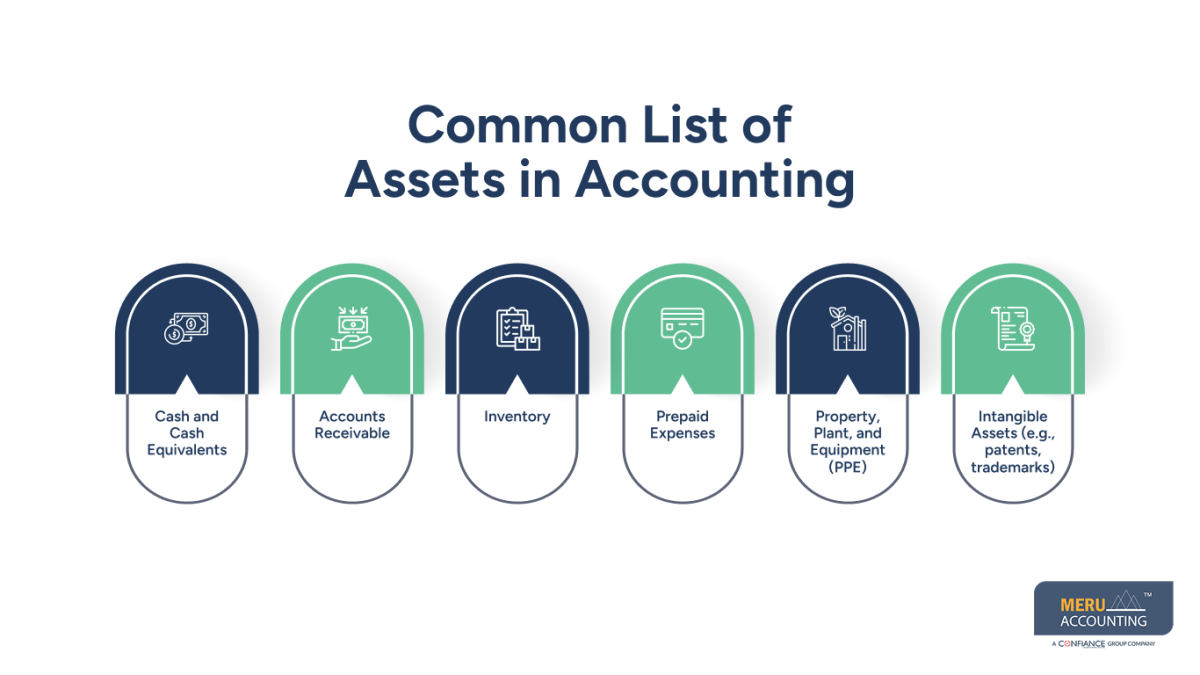
- Cash and Cash Equivalents
- Accounts Receivable
- Inventory
- Prepaid Expenses
- Property, Plant, and Equipment (PPE)
- Intangible Assets (e.g., patents, trademarks)
Comparing Assets and Liabilities
| Aspect | Assets | Liabilities |
|---|---|---|
| Definition | Resources owned by the business | Obligations owed to others |
| Normal Balance | Debit | Credit |
| Effect on Financial Position | Increase financial strength | Decrease financial strength |
| Examples | Cash, Equipment, Investments | Loans, Accounts Payable, Taxes Payable |
Accounting Standards Governing Liabilities
Several accounting standards provide guidelines for recognizing, measuring, and reporting liabilities. These standards ensure consistency and comparability across financial statements. Key standards include:
- International Financial Reporting Standards (IFRS): IAS 37 covers provisions, contingent liabilities, and contingent assets; IAS 12 addresses income taxes; IFRS 16 deals with lease liabilities.
- Generally Accepted Accounting Principles (GAAP): US GAAP guidance under ASC Topic 450 discusses contingencies and ASC 840/842 govern leases.
Adhering to these standards is critical for auditors, investors, and financial analysts to accurately assess a company’s liabilities.
Common Challenges in Accounting for Liabilities
Businesses often face difficulties related to the proper identification and measurement of liabilities, including:
- Contingent Liabilities: Estimating the likelihood and amount of potential future obligations can be complex and subjective.
- Accurate Classification: Distinguishing between current and long-term liabilities requires precise understanding of payment terms.
- Interest and Amortization: Properly accounting for interest expense and amortization schedules related to debt requires diligent tracking.
- Compliance with Reporting Requirements: Ensuring disclosures meet regulatory demands is essential to avoid penalties and maintain transparency.
Conclusion
Liabilities play a critical role in shaping the financial landscape of a business by representing its obligations to external parties. A thorough understanding of the list of assets and liabilities in accounting is vital for accurate financial reporting, decision-making, and business sustainability.
From current liabilities such as accounts payable to long-term obligations like bonds payable, correctly documenting and managing liabilities ensures that companies can meet their financial commitments and maintain investor confidence. For businesses seeking to optimize accounting practices related to liabilities, collaborating with professional accounting firms like Meru Accounting can provide expert guidance, enhance compliance, and drive financial success.
FAQs
What are accounting liabilities?
Accounting liabilities are financial obligations a company owes to outside parties that must be settled in the future through the transfer of assets, provision of services, or other economic benefits.
What is included in a list of liabilities in accounting?
A list of liabilities in accounting typically includes current liabilities like accounts payable, short-term loans, and accrued expenses, as well as long-term liabilities such as bonds payable, mortgages, and deferred tax liabilities.
How do liabilities differ from assets in accounting?
Assets represent resources owned by a company that have economic value, while liabilities are obligations the company needs to repay or settle.
Why is it important to maintain a list of assets and liabilities in accounting?
Maintaining a list of assets and liabilities helps organizations track their financial position, manage cash flow, make informed business decisions, and comply with legal and reporting requirements.
How are liabilities classified in accounting?
Liabilities are classified into current liabilities, which are due within one year, and long-term liabilities, which are payable after one year.


