




Introduction to Bookkeeping Service for Small Businesses
Bookkeeping is a fundamental aspect of maintaining financial health for any business, especially small enterprises. A robust bookkeeping service for small businesses ensures accurate recording, organizing, and management of all financial transactions. This article offers an exhaustive guide on bookkeeping services tailored to the unique needs of small businesses, uncovering its importance, benefits, processes, and how to select the right service provider.
Understanding Bookkeeping and Its Importance
Bookkeeping is the systematic recording of daily financial transactions, including sales, purchases, receipts, and payments. For small businesses, maintaining accurate books is not just a regulatory requirement but also a vital tool to gauge business performance and make informed decisions.
What Does Bookkeeping Include?
Bookkeeping encompasses a variety of financial activities such as:
- Recording sales and revenue
- Tracking expenses and payments
- Maintaining payroll records
- Reconciling bank statements
- Managing accounts receivable and payable
Why Small Businesses Need Bookkeeping Services
Many small business owners may hesitate to prioritize bookkeeping, but its importance cannot be overstated:
- Financial clarity: Regular bookkeeping provides a clear picture of financial health, allowing owners to track profit margins and cash flow.
- Regulatory compliance: Accurate records are essential for tax filings and audits, reducing penalties and legal risks.
- Better decision-making: Informed budget planning and forecasting depend on accurate financial data.
- Attraction of investors and loans: Demonstrating sound financial management is crucial for securing funding.
Different Types of Bookkeeping Systems
Choosing the right bookkeeping system is vital for efficiency and accuracy. The most common bookkeeping systems used by small businesses include:
Single-Entry Bookkeeping
This traditional method involves recording one entry per transaction, typically cash inflow or outflow, making it simple but less comprehensive. It is often used by sole proprietors or very small businesses.
Double-Entry Bookkeeping
The standard for modern accounting, this system records two entries per transaction: a debit and a credit, ensuring accuracy and balancing of accounts. It allows for detection of errors and provides a complete picture of financial activities.
Manual vs. Automated Bookkeeping
Small businesses can choose between manual bookkeeping, which involves physical ledgers or spreadsheets, and automated bookkeeping, which uses specialized software:
- Manual bookkeeping: Cost-effective but prone to human error and time-intensive.
- Automated bookkeeping: Employs accounting software that streamlines data entry, bank reconciliations, and generates real-time reports.
Key Features of Professional Bookkeeping Services for Small Businesses
Professional bookkeeping services provide tailored solutions that include but are not limited to:
- Transaction recording and categorization: Ensuring all business transactions are accurately classified.
- Bank reconciliation: Verifying financial statements against bank statements for consistency.
- Payroll management: Handling employee payments and related tax compliance.
- Financial statement preparation: Generating profit and loss statements, balance sheets, and cash flow reports.
- Tax preparation and filing assistance: Facilitating accurate tax submissions.
- Budgeting and forecasting: Providing insights to plan for future financial needs.
- Software integration: Setting up and managing accounting software tools.
Benefits of Outsourcing Bookkeeping for Small Businesses
Outsourcing bookkeeping services can provide significant advantages for small businesses, including:
Cost Efficiency
Hiring an in-house bookkeeper can be costly. Outsourcing eliminates expenses related to salaries, benefits, software licenses, and training.
Access to Expertise
Professional bookkeeping services are staffed by trained accountants and bookkeepers who stay current with regulatory changes and best practices.
Time Saving
Delegating bookkeeping tasks frees up business owners to focus on growth, sales, and customer relations.
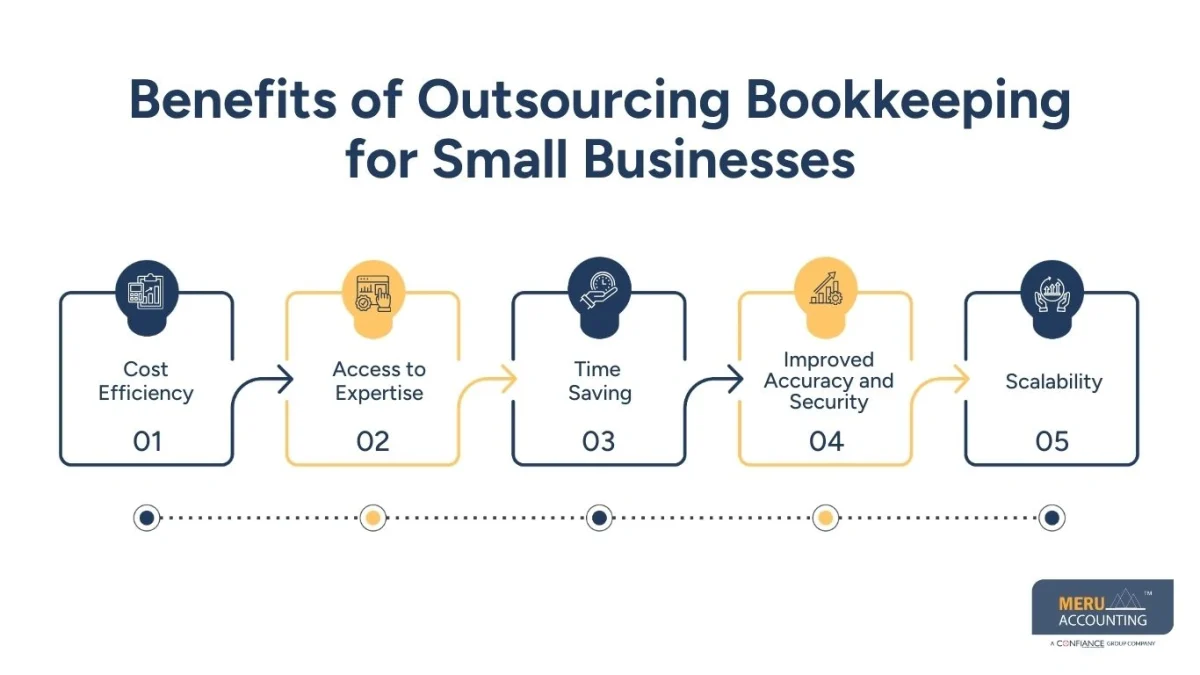
Improved Accuracy and Security
Expert bookkeepers reduce errors and implement secure procedures to protect sensitive financial data.
Scalability
Services can easily scale with business growth, adapting to increased transaction volumes and complexity.
Choosing the Right Bookkeeping Service for Your Small Business
Finding the ideal bookkeeping service involves several considerations. The following criteria can guide small business owners in this selection process:
| Criteria | Description | Importance |
|---|---|---|
| Experience | Years of service and expertise in your industry | High |
| Technology | Use of modern accounting software and tools | Medium |
| Pricing | Affordability and transparency of pricing models | High |
| Customer Support | Availability of support and communication channels | High |
| Security | Data protection measures and confidentiality | Medium |
Steps to Evaluate Potential Providers
- Request references and case studies
- Discuss specific business needs and challenges
- Review sample reports and turnaround times
- Understand contract terms and service level agreements
Popular Bookkeeping Software Options for Small Businesses
Many small businesses rely on technology to simplify bookkeeping. Here are some popular software solutions:
QuickBooks
One of the most widely used accounting programs offering comprehensive bookkeeping tools, invoicing, payroll integration, and tax support.
Xero
A cloud-based solution favored for its user-friendly interface and real-time collaboration features.
FreshBooks
Designed for small business owners and freelancers, FreshBooks focuses on invoicing, time tracking, and expense management.
Wave Accounting
A free accounting software that provides essential bookkeeping functions, ideal for very small businesses and startups.
How to Maintain Effective Bookkeeping Practices
Even with professional services or software support, small business owners should follow best practices to ensure bookkeeping accuracy and efficiency.
Keep Business and Personal Finances Separate
Maintaining strict separation avoids confusion and simplifies tax reporting.
Document Every Transaction
Save receipts, invoices, bank statements, and other relevant documentation regularly.
Regularly Reconcile Accounts
Perform bank reconciliations monthly to detect errors and prevent fraud.
Monitor Cash Flow Closely
Understand inflows and outflows to manage working capital effectively.
Update Books Frequently
Timely data entry helps avoid backlog and inaccuracies.
Common Bookkeeping Challenges Faced by Small Businesses
Awareness of typical obstacles enables proactive solutions. Common issues include:
- Insufficient knowledge of accounting principles
- Inconsistent record-keeping
- Delayed bookkeeping leading to inaccurate reports
- Misclassification of expenses or income
- Difficulty reconciling multiple bank accounts
- Handling payroll and tax complexities
Meru Accounting: Trusted Bookkeeping Service for Small Businesses
Meru Accounting is a reputable provider offering comprehensive bookkeeping services specifically designed for small businesses. Their team of professionals utilizes advanced technology to streamline financial processes, ensuring accuracy and compliance. Clients benefit from customized solutions that fit their operational needs, enabling better financial management and strategic growth. Meru Accounting’s commitment to transparent communication and affordable pricing makes them a preferred partner for small businesses seeking reliable bookkeeping support.
Conclusion: The Path to Financial Clarity and Growth
Bookkeeping service for small businesses is not merely an administrative task; it is a strategic function critical to financial stability and sustainable growth. By understanding bookkeeping fundamentals, leveraging technology, choosing the right partner, and following best practices, small businesses can navigate complex financial landscapes efficiently.
Implementing an effective bookkeeping system helps reduce errors, ensures regulatory compliance, facilitates timely decision making, and builds the foundation for business success.
For small business owners, investing in professional bookkeeping services is an investment in the future, enabling them to focus on core activities with confidence that their financial information is accurate and up to date.
FAQs
What is a bookkeeping service for small businesses?
A bookkeeping service for small businesses involves managing and recording daily financial transactions such as sales, purchases, receipts, and payments to keep accurate financial records.
Why do small businesses need bookkeeping services?
Small businesses need bookkeeping services to maintain organized financial records, ensure compliance with tax regulations, track expenses and income, and make informed business decisions.
What types of services are included in bookkeeping for small businesses?
Services typically include recording transactions, reconciling bank statements, managing invoices and payments, payroll processing, and preparing financial reports.
How can I choose the right bookkeeping service for my small business?
Choose a bookkeeping service based on factors like experience with small businesses, pricing, software compatibility, range of services offered, and client reviews.
Can bookkeeping services help with tax preparation for small businesses?
Yes, bookkeeping services help organize financial data that simplifies tax preparation, ensuring accurate filings and helping to identify potential deductions and credits.


