


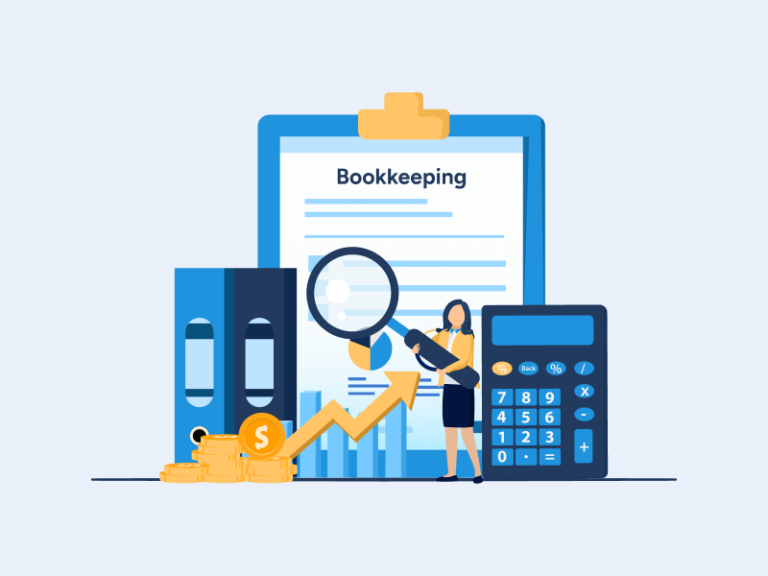
Introduction to Business Bookkeeping Solutions
Effective bookkeeping is a cornerstone of financial success for any business, particularly small businesses striving to establish themselves in competitive markets. Small business bookkeeping solutions encompass a variety of tools, techniques, and strategies designed to streamline financial management, enhance accuracy, and improve overall financial efficiency. In today’s fast-paced economic environment, leveraging the right bookkeeping solutions is essential to maintaining healthy cash flow, ensuring compliance, and supporting strategic decision-making.
This comprehensive article explores the landscape of business bookkeeping solutions, with a focus on small business needs. It will cover the fundamentals of bookkeeping, available tools and technologies, best practices, and methods to improve financial efficiency through optimized bookkeeping workflows.
Understanding the Fundamentals of Bookkeeping
Bookkeeping refers to the systematic recording, organizing, and maintenance of a company’s financial transactions. It forms the foundation of accounting and is integral for accurate financial reporting. Understanding its core functions is vital before selecting appropriate bookkeeping solutions.
Key Components of Bookkeeping
- Transaction Recording: Documenting daily financial activities such as sales, purchases, receipts, and payments.
- Ledger Management: Organizing transactions into ledgers—general ledger, accounts receivable, accounts payable, etc.
- Trial Balance Preparation: Ensuring that the sum of debits equals credits to identify discrepancies.
- Financial Statements Generation: Creating balance sheets, income statements, and cash flow statements.
- Reconciliation: Aligning internal records with external statements (e.g., bank reconciliations) to maintain accuracy.
Importance of Accurate Bookkeeping
Accurate bookkeeping enables businesses to:
- Understand their financial health and profitability.
- Comply with tax laws and regulatory requirements.
- Make informed operational and strategic decisions.
- Facilitate smoother audits and financial reviews.
- Build credibility with investors, lenders, and stakeholders.
Exploring Small Business Bookkeeping Solutions
Small businesses face unique challenges in bookkeeping including limited financial expertise, budget constraints, and time limitations. Hence, choosing the right bookkeeping solutions tailored for small enterprises is critical.
Types of Bookkeeping Solutions
| Solution Type | Description | Benefits for Small Businesses |
|---|---|---|
| Manual Bookkeeping | Recording transactions using paper ledgers or spreadsheets. | Low cost and simple, but prone to human error and time-intensive. |
| Desktop Software | Installed applications like QuickBooks Desktop, Sage 50. | More control over data, improved features; requires installation and updates. |
| Cloud-Based Solutions | Online platforms such as QuickBooks Online, Xero, FreshBooks. | Accessibility from anywhere, automatic updates, integrated tools. |
| Outsourced Bookkeeping | Hiring external professionals or firms to manage bookkeeping. | Access to expertise, time-saving, reduces risk of errors. |
Popular Bookkeeping Software for Small Businesses
Many small businesses opt for software solutions to automate and simplify bookkeeping tasks. Leading platforms include:
- QuickBooks Online: User-friendly, scalable, and integrates with many apps. Ideal for various small business sizes.
- Xero: Known for robust cloud-based features and accessibility.
- FreshBooks: Particularly popular among freelancers and service-based businesses.
- Wave Accounting: Free software option with basic bookkeeping functionality.
Implementing Efficient Bookkeeping Practices
Beyond selecting the right tools, adopting efficient bookkeeping procedures is necessary to maximize financial efficiency. These practices reduce errors and administrative overhead.
Establish Consistent Record-Keeping
Develop standardized methods for documenting transactions. Create clear guidelines on how to record income, expenses, and other entries to maintain consistency across periods, which improves tracking and reporting accuracy.
Automate Repetitive Tasks
Leverage automation features offered by modern bookkeeping software to handle repetitive tasks such as invoice generation, payment reminders, and bank reconciliation. Automation minimizes manual effort and the probability of human errors.
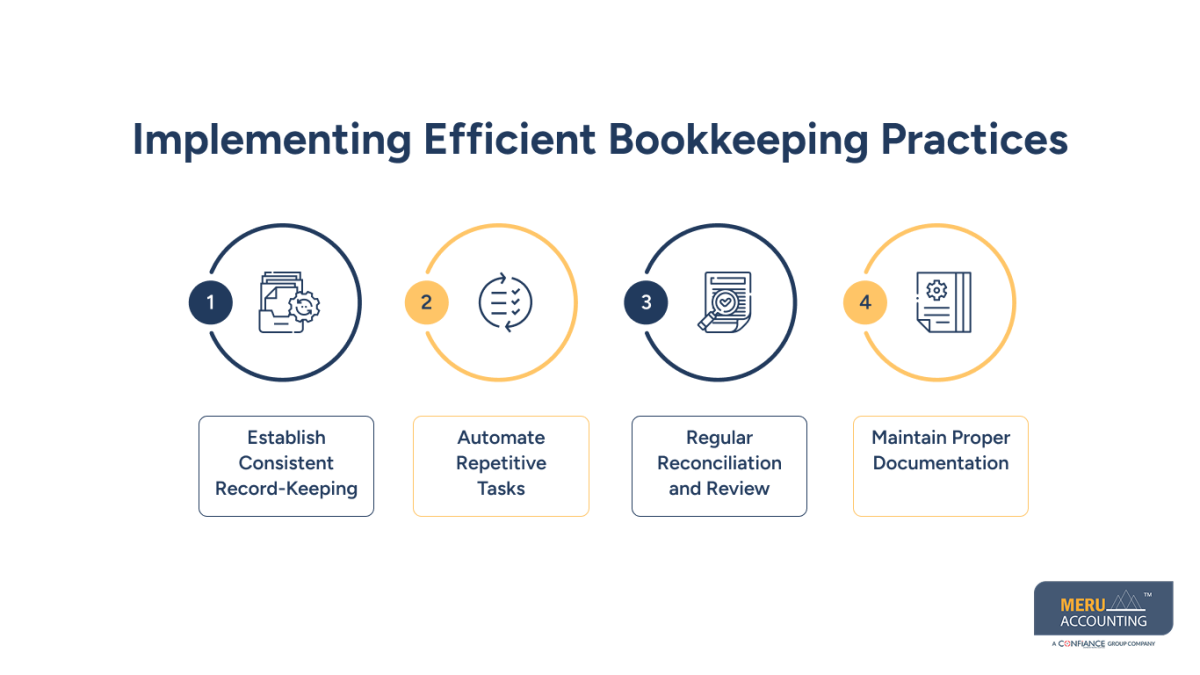
Regular Reconciliation and Review
Set up weekly or monthly schedules for reconciling accounts with bank statements and reviewing ledgers for accuracy. Timely identification of discrepancies prevents compounding problems and assists in early detection of fraud or mismanagement.
Maintain Proper Documentation
Keep bills, receipts, and contracts well organized and easily accessible electronically or physically. Documentation supports audit trails and enhances financial transparency.
Enhancing Financial Efficiency Through Bookkeeping
Financial efficiency is a measure of how well financial resources are managed to achieve business objectives. Bookkeeping solutions play a pivotal role in advancing this efficiency.
Improved Cash Flow Management
By maintaining up-to-date records of accounts receivable and payable, businesses can forecast cash flow needs more accurately, avoid late payments, and take advantage of early payment discounts.
Data-Driven Decision Making
Accurately recorded financial data provides the foundation for insightful reporting and analytics. Business owners can analyze trends, control costs, identify profitable products or services, and make strategic investments.
Cost Reduction and Time Savings
Automated bookkeeping reduces manual labor and decreases administrative costs. Efficient workflows free up staff time to focus on core business activities rather than financial record-keeping tasks.
Common Challenges in Small Business Bookkeeping and How to Overcome Them
Despite available solutions, small businesses encounter challenges that undermine bookkeeping effectiveness. Addressing these obstacles is crucial for sustained efficiency.
Limited Financial Expertise
Many small business owners may lack a formal background in accounting or bookkeeping. This knowledge gap can lead to errors or misinterpretations.
- Solution: Invest in training or utilize bookkeeping services that provide professional support.
- Consider user-friendly software designed for non-accountants with guided workflows.
Data Entry Errors
Manual entry can introduce mistakes that distort financial reports.
- Solution: Use software with built-in validation and error-checking features.
- Encourage double-checking and reconciliation routines to capture discrepancies early.
Keeping Up with Compliance
Regulatory changes impact tax reporting and financial record requirements.
- Solution: Opt for bookkeeping solutions regularly updated to comply with current laws.
- Remain informed about local tax regulations or consult with accounting professionals.
Meru Accounting: A Trusted Partner for Small Business Bookkeeping Solutions
Meru Accounting specializes in delivering tailored bookkeeping and financial management services designed specifically for small businesses. By combining industry expertise with cutting-edge technology, Meru Accounting helps entrepreneurs automate bookkeeping processes, maintain accurate records, and enhance financial reporting. Their team of professionals works closely with clients to implement efficient bookkeeping workflows and provide strategic financial guidance. With Meru Accounting, small businesses gain the tools and insights necessary to improve financial efficiency and ensure compliance, ultimately supporting sustainable growth and success.
Future Trends in Business Bookkeeping Solutions
As technology evolves, bookkeeping solutions continue to innovate, providing increasingly sophisticated functionalities for small businesses.
Integration of Artificial Intelligence and Machine Learning
AI-powered bookkeeping tools can automatically categorize transactions, detect anomalies, and generate predictive financial insights, reducing manual intervention and increasing accuracy.
Mobile and Remote Accessibility
Cloud-based bookkeeping platforms continue expanding mobile capabilities, enabling business owners and accountants to access and update financial information anytime, anywhere, which supports dynamic and dispersed teams.
Blockchain for Secure and Transparent Record-Keeping
Blockchain technology offers the potential to create immutable, transparent financial records that enhance trust and reduce fraud risks in bookkeeping.
Enhanced Collaboration Tools
Future solutions will focus on seamless collaboration between bookkeepers, accountants, and business owners through real-time data sharing, communication, and integrated workflows within a single platform.
Conclusion
Small business bookkeeping solutions are essential to improving financial efficiency and ensuring business success. From understanding the basics of bookkeeping to implementing advanced software and automation, businesses that prioritize accurate and efficient bookkeeping gain significant advantages. They not only maintain compliance and avoid costly errors but also empower themselves with data-driven insights that foster informed decision-making and optimized cash flow management.
Choosing the right bookkeeping approach—whether manual, software-based, or outsourced—depends on the unique needs and resources of each business. Providers like Meru Accounting further extend capabilities by delivering professional bookkeeping services and technology-driven solutions tailored to small businesses.
By embracing modern bookkeeping solutions and best practices, small businesses can transform their financial operations, achieve greater financial clarity, and position themselves for long-term growth in today’s competitive marketplace.
FAQs
What are the best small business bookkeeping solutions for improving financial efficiency?
The best solutions include cloud-based software like QuickBooks, Xero, and FreshBooks, which automate tasks and provide real-time financial insights.
How can small business bookkeeping solutions help reduce errors?
These solutions automate data entry, reconcile transactions automatically, and provide checks to minimize human errors, ensuring accurate financial records.
Are small business bookkeeping solutions suitable for non-accountants?
Yes, many bookkeeping solutions are designed with user-friendly interfaces and offer tutorials, making them accessible for business owners without accounting experience.
What features should I look for in small business bookkeeping software?
Key features include expense tracking, invoicing, bank reconciliation, financial reporting, integration with other business tools, and ease of use.
How do bookkeeping solutions improve overall financial efficiency for small businesses?
They streamline financial processes, reduce manual workload, provide timely financial data for decision-making, and help maintain compliance with tax regulations.


