




Introduction to Company Accounting Services
In today’s dynamic business environment, efficient financial management stands as a cornerstone for success. One of the fundamental components underpinning sound financial management is company accounting services. These services go beyond simple bookkeeping; they encompass a broad range of activities designed to track, analyze, and report financial transactions systematically. This comprehensive approach enables businesses to make informed decisions, maintain compliance with regulatory requirements, and optimize economic performance.
Company accounting services are typically provided by professional accounting firms or in-house accounting departments, offering expertise in areas such as financial statement preparation, tax planning, audit facilitation, and financial forecasting. Their role is crucial, especially as companies grow in size and complexity.
This article explores how company accounting services improve financial management, covering various aspects including operational efficiency, risk management, compliance, strategic planning, and stakeholder communication.
Understanding the Scope of Company Accounting Services
Company accounting services are multifaceted and tailored to meet the unique needs of each business. These services can be broadly categorized into several key areas:
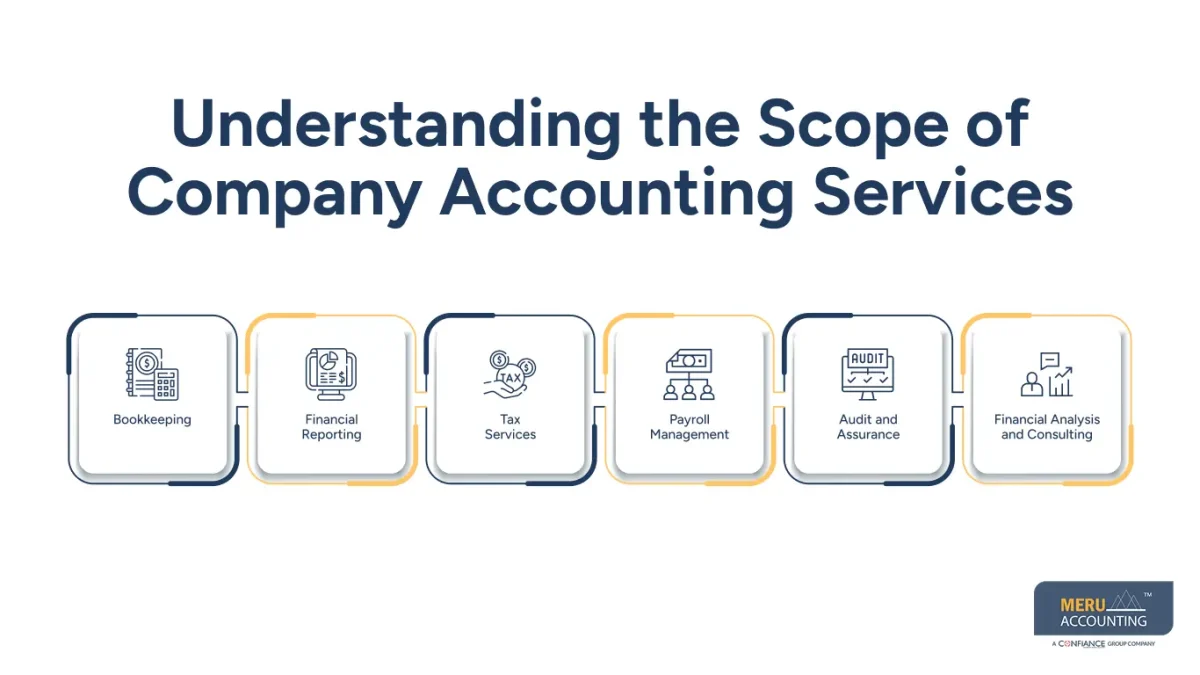
- Bookkeeping: Accurate recording of day-to-day financial transactions such as sales, purchases, receipts, and payments.
- Financial Reporting: Preparation of financial statements like profit and loss accounts, balance sheets, and cash flow statements.
- Tax Services: Comprehensive tax planning, compliance, and filing to optimize tax liabilities and avoid penalties.
- Payroll Management: Processing employee salaries, deductions, benefits, and ensuring statutory compliance.
- Audit and Assurance: Internal and external audit services to verify accuracy and adherence to established accounting standards.
- Financial Analysis and Consulting: Providing insights and strategic advice based on financial data to aid decision-making.
Each of these components integrates to form a robust accounting framework that supports efficient financial management.
Enhancing Financial Accuracy and Transparency
One of the primary benefits of company accounting services is the improvement in financial accuracy and transparency. Proper accounting ensures that all financial transactions are recorded accurately and consistently according to accepted accounting principles such as GAAP or IFRS. This accuracy is vital for several reasons:
- Reliable Financial Data: Decisions made based on erroneous financial information can lead to substantial losses. Professional accounting helps maintain data integrity.
- Transparency for Stakeholders: Accurate accounting enables shareholders, creditors, and regulatory bodies to assess the company’s financial health objectively.
- Fraud Prevention: Detailed and transparent financial records reduce the risk of fraud or misappropriation of funds.
Role of Technology in Accounting Accuracy
Modern company accounting services leverage advanced technologies such as cloud computing, artificial intelligence, and automated bookkeeping software. These tools minimize human error, enhance data security, and offer real-time financial tracking and reporting. The integration of technology in accounting improves overall financial accuracy and reliability considerably.
Compliance with Legal and Regulatory Requirements
Compliance with financial regulations is a critical aspect of company accounting services. Companies must adhere to tax laws, financial reporting standards, and industry-specific regulations to avoid legal penalties and maintain operational legitimacy.
Professional accounting firms ensure that businesses:
- Prepare and file accurate tax returns on time
- Maintain proper documentation for audits and inspections
- Follow statutory accounting procedures and disclosure norms
- Manage payroll and employee benefits in accordance with labor laws
Failure to comply with these regulations can result in heavy fines, reputational damage, and potential legal challenges.
Optimizing Cash Flow and Budget Management
Effective cash flow management is critical for a company’s survival and growth. Company accounting services deliver detailed insights into incoming and outgoing cash flows, enabling businesses to maintain liquidity and plan expenditures efficiently. These services help companies:
- Forecast cash inflows and outflows
- Identify periods of potential cash shortages or surpluses
- Develop realistic budgets aligned with strategic goals
- Control expenses to enhance profitability
By optimizing budget management, companies can avoid unnecessary borrowing and ensure sufficient capital allocation across operational units.
Budgeting Techniques Utilized by Accounting Professionals
Accounting experts utilize several budgeting techniques such as zero-based budgeting, incremental budgeting, and rolling forecasts. These methods provide businesses with flexible ways to plan for various financial scenarios, optimizing resource allocation and managing risks associated with fluctuating market conditions.
Strategic Decision Making and Business Growth
Company accounting services provide valuable financial insights that empower strategic decision-making. Beyond compliance and routine bookkeeping, accountants analyze financial data to support long-term business growth in areas including:
| Strategic Aspect | Accounting Contribution | Business Impact |
|---|---|---|
| Investment Planning | Feasibility analysis, ROI calculations, risk assessments | Informed allocation of resources to high-value projects |
| Cost Management | Identification of cost drivers, variance analysis | Reduction of operational expenses and improved margins |
| Pricing Strategies | Break-even analysis, competitor benchmarking | Optimized pricing to maximize revenue without sacrificing competitiveness |
| Expansion Decisions | Financial forecasting, capital budgeting | Strategic market entry or diversification with minimized financial risk |
Risk Management and Internal Controls
Financial risks—including credit risk, liquidity risk, and operational risk—pose significant threats to a company’s assets and ongoing viability. Company accounting services incorporate risk management practices through thorough internal control systems and regular financial audits.
Internal control mechanisms implemented by accounting professionals may include:
- Segregation of financial duties to reduce fraud risk
- Regular reconciliation of accounts
- Authorization and approval workflows for financial transactions
- Continuous monitoring and reporting of financial irregularities
These controls protect assets, enhance financial reliability, and foster confidence among investors and lenders.
How Meru Accounting Supports Business Financial Management
Meru Accounting is a dedicated company accounting services provider renowned for delivering tailored financial solutions to businesses of all sizes. Their expertise spans bookkeeping, tax preparation, payroll management, and strategic financial consulting. Meru Accounting harnesses innovative accounting technology combined with deep industry knowledge to ensure clients achieve operational efficiency, regulatory compliance, and strategic financial growth. By partnering with Meru Accounting, companies gain trusted advisors who help them navigate complex financial landscapes and drive business success.
Conclusion: The Integral Role of Company Accounting Services
In conclusion, company accounting services play a pivotal role in enhancing financial management across multiple dimensions. From ensuring accuracy and compliance to optimizing cash flow and supporting strategic decisions, these services form the backbone of a company’s financial health. Proactive engagement with professional accounting services enables businesses to mitigate risks, streamline operations, and position themselves for sustainable growth.
Ultimately, companies that invest in comprehensive accounting services are better equipped to handle financial complexities, adapt to evolving market demands, and maintain competitive advantages over time.
FAQs
What are company accounting services?
Company accounting services involve professional management and recording of financial transactions, ensuring accurate financial statements and compliance with regulations.
How do company accounting services improve financial management?
They provide accurate financial data, enable better budgeting, help identify cost-saving opportunities, ensure regulatory compliance, and support informed decision-making.
Can company accounting services help with tax preparation?
Yes, these services help organize financial information, ensure proper documentation, and optimize tax filings to minimize liabilities and avoid penalties.
Are company accounting services suitable for businesses of all sizes?
Yes, company accounting services can be tailored to meet the needs of small, medium, and large businesses, offering scalable solutions.
How often should companies use accounting services to improve financial management?
Regular accounting services, such as monthly or quarterly financial reviews, are recommended to maintain accurate records and timely financial insights.


