




Introduction to Equity Liabilities Tracking
Accurate tracking of equity liabilities is a cornerstone of effective financial management for businesses of all sizes. Understanding the precise nature of your equity liabilities impacts decisions ranging from investment strategies to tax obligations. Equity liabilities, which typically encompass the owner’s equity and any obligations tied to ownership stakes, must be carefully monitored to ensure compliance, financial health, and operational efficiency.
Owners, investors, and accountants rely heavily on meticulous records to perform the owner’s equity calculation accurately, which is critical for transparent financial reporting and strategic planning. This article explores essential tips and best practices for accurate equity liabilities tracking, covering practical methodologies, accounting standards, and software tools that facilitate precision and clarity in managing owner’s equity.
Understanding Owner’s Equity and Equity Liabilities
Before diving into specific tips for tracking, it is vital to understand the components of owner’s equity calculation and the nature of equity liabilities.
Definition of Owner’s Equity
Owner’s equity, also known as shareholders’ equity or net assets, represents the residual interest in the assets of a company after deducting liabilities. It defines the owners’ claims on the business assets and is a key indicator of financial stability.
Components of Owner’s Equity
Owner’s equity comprises various elements including:
- Paid-in Capital: Funds invested by the owners or shareholders.
- Retained Earnings: Accumulated profits that are reinvested or held in the business.
- Treasury Stock: Shares reacquired by the company.
- Additional Paid-in Capital: Amount paid by investors exceeding the par value of shares.
What Are Equity Liabilities?
Equity liabilities may include deferred compensation, equity-based loans, or any obligations linked directly to ownership interests. Unlike traditional liabilities that are external claims, equity liabilities are internal financial commitments that affect the owner’s equity calculation.
Why Accurate Equity Liabilities Tracking Matters
Precision in tracking equity liabilities influences multiple facets of business success. Some of the primary reasons include:
- Regulatory Compliance: Ensuring adherence to accounting standards such as GAAP or IFRS.
- Financial Clarity: Providing transparent information for stakeholders and managers.
- Tax Accuracy: Avoiding costly penalties from misreporting owner’s equity.
- Investment Decisions: Supporting strategic decisions based on clear ownership and capital structure data.
- Business Valuation: Facilitating accurate valuations for mergers, acquisitions, or fundraising efforts.
Key Steps for Precise Owner’s Equity Calculation
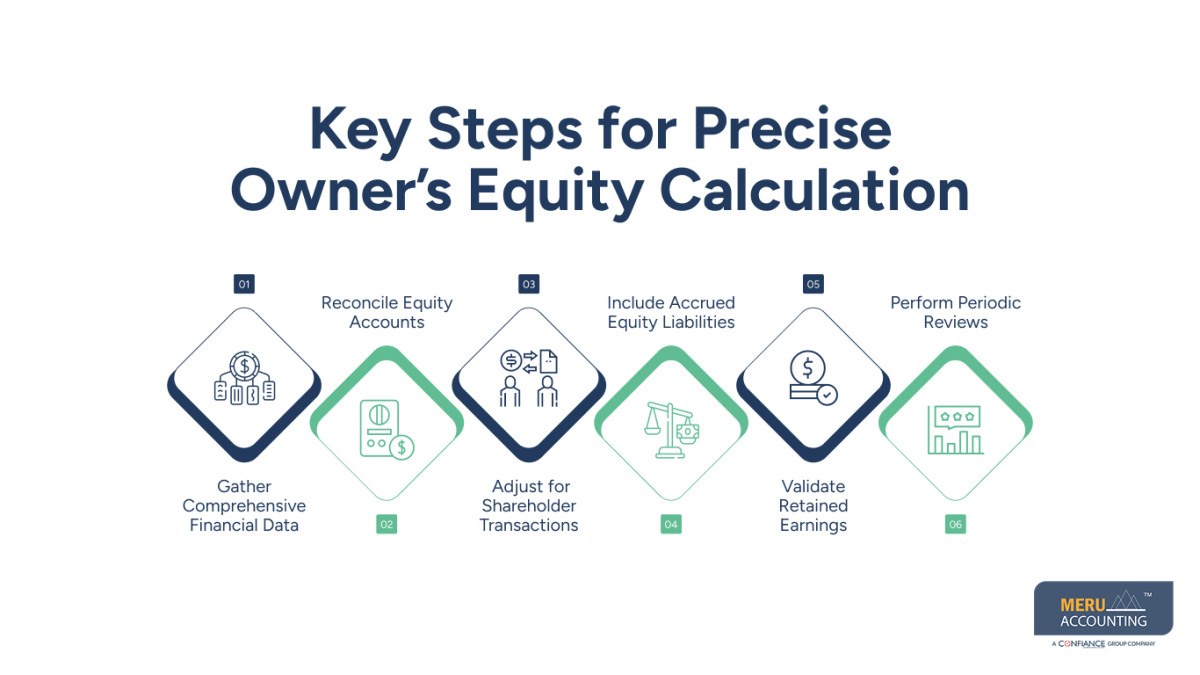
The owner’s equity calculation is fundamental to equity liabilities tracking. The following steps ensure accuracy and reliability:
1. Gather Comprehensive Financial Data
Collect all necessary financial statements, including balance sheets, income statements, and cash flow reports. Ensure the data covers all equity transactions, shareholder contributions, dividends, and retained earnings adjustments.
2. Reconcile Equity Accounts
Regularly reconcile equity accounts against general ledger entries to detect discrepancies early. Reconciling helps to verify that all equity-related transactions have been recorded properly.
3. Adjust for Shareholder Transactions
Incorporate all changes in share capital such as stock issuance, buybacks, or conversions. Failure to update these changes can lead to inaccurate owner’s equity calculation.
4. Include Accrued Equity Liabilities
Record equity-related liabilities such as stock options, convertible debt, and other deferred equity instruments. These can have a direct impact on the equity structure and must be factored into calculations.
5. Validate Retained Earnings
Adjust retained earnings for net income and dividend distributions. Ensure that profit or loss is accurately reflected to maintain the integrity of the owner’s equity calculation.
6. Perform Periodic Reviews
Implement periodic financial reviews and audits to validate the owner’s equity balances and related liabilities. These should align with internal policies and regulatory requirements.
Best Practices for Accurate Equity Liabilities Tracking
Implementing best practices ensures that equity liabilities tracking is robust and trustworthy:
Implement a Centralized Tracking System
Using an integrated accounting system that consolidates all equity and liability data reduces errors and omissions. A centralized database facilitates real-time updates and comprehensive reporting.
Regular Reconciliation and Auditing
Schedule timely reconciliations of owner’s equity accounts against bank statements, share certificates, and transaction records. External audits by qualified professionals add an additional layer of verification.
Automate Calculations Where Possible
Leverage accounting software tools that automate owner’s equity calculation to minimize human error. Automation ensures accuracy and saves significant processing time.
Keep Detailed Transaction Documentation
Maintain meticulous records of all equity-related transactions including shareholder resolutions, capital injections, dividends issued, and stock repurchases. Documentation provides audit trails and supports accountability.
Align Equity Tracking with Tax and Legal Standards
Stay current with evolving tax computations and legal obligations impacting equity liabilities. Incorporate any necessary amendments promptly in accounting records.
Train Staff in Equity Accounting Principles
Invest in regular training programs to ensure accounting teams understand the nuances of owner’s equity calculation and equity liabilities management. Skilled personnel reduce the risk of mismanagement.
Common Challenges in Equity Liabilities Tracking and How to Overcome Them
Businesses often face several hurdles when managing equity liabilities. Recognizing these challenges enables the adoption of effective solutions:
Complex Equity Instruments
Equity instruments, such as convertible debt or stock options, can be complicated to account for accurately. Solution: Utilize specialized accounting software and engage expert accountants to handle these complexities.
Data Inconsistency
Multiple data sources and manual entry increase the risk of inconsistencies. Solution: Automate data entry and implement centralized financial management platforms to improve data quality.
Regulatory Changes
Frequent tax law and accounting standard updates can disrupt equity liabilities tracking. Solution: Subscribe to regulatory updates, engage legal counsel, and adapt accounting processes swiftly.
Misclassification of Transactions
Incorrect classification of equity and liability transactions can distort financial statements. Solution: Use clear policies and chart of accounts guidelines with rigorous training to ensure accurate classification.
Inadequate Documentation
Poor record-keeping leads to audit challenges and compliance risks. Solution: Establish document management systems with automated backups and version control.
Resource Constraints
Small businesses may lack dedicated personnel for equity tracking. Solution: Consider outsourcing to professional accounting firms or using cloud-based accounting services that offer scalable solutions.
Equity Liabilities Tracking Tools and Technologies
Technology plays a significant role in enhancing the accuracy and efficiency of equity liabilities tracking. Here are some key tools and platforms:
- Accounting Software: Platforms like QuickBooks, Xero, and Sage provide built-in features for managing equity transactions.
- Enterprise Resource Planning (ERP): Comprehensive systems such as SAP and Oracle ERP integrate equity tracking with other financial and operational functions.
- Equity Management Platforms: Specialized software like Carta and Shareworks offer advanced capabilities for equity plan administration and reporting.
- Spreadsheets: Microsoft Excel and Google Sheets remain popular for customized tracking but require strict controls to prevent errors.
- Audit and Compliance Tools: Solutions designed to perform automated reconciliation, compliance checks, and regulatory reporting.
Benefits of Using Technology
Technology automates calculations, minimizes human error, provides real-time insights, and streamlines reporting. It enables businesses to maintain up-to-date and accurate equity liabilities data, critical to effective owner’s equity calculation.
| Feature | Benefit | Recommended Tools |
|---|---|---|
| Automation of Equity Calculations | Reduces errors and saves time | QuickBooks, Carta |
| Real-Time Data Integration | Improves decision-making accuracy | SAP ERP, Xero |
| Compliance Monitoring | Ensures adherence to standards | AuditBoard, BlackLine |
| Equity Plan Management | Tracks stock options and awards | Shareworks, Capshare |
Meru Accounting and Its Role in Equity Liabilities Management
Meru Accounting is a renowned accounting firm specializing in comprehensive financial services with a focus on precision in equity liabilities management. Their expertise covers owner’s equity calculation, ensuring clients maintain accurate, compliant, and efficient equity tracking systems. Meru Accounting utilizes advanced technology coupled with in-depth knowledge of accounting standards to assist businesses in navigating complex equity transactions and maintaining transparent ownership structures. Their client-centric approach and tailored solutions help organizations optimize financial performance and regulatory compliance.
Conclusion: Mastering Accurate Equity Liabilities Tracking
Accurate equity liabilities tracking forms the foundation of sound financial management and governance. Companies that prioritize systematic tracking and adhere to best practices empower themselves with reliable owner’s equity calculation, elevate financial transparency, and mitigate risks related to compliance and valuation. By embracing robust methodologies, employing cutting-edge technology, and leveraging expert support such as Meru Accounting, businesses can confidently manage their equity structures, fostering long-term sustainability and growth.
The journey toward mastering equity liabilities tracking requires consistent effort, ongoing education, and strategic investments in infrastructure and personnel. However, the payoff includes enhanced decision-making power, improved stakeholder confidence, and a solid financial footing to navigate the complexities of today’s dynamic business environment.
FAQs
What is owner’s equity calculation?
Owner’s equity calculation determines the residual interest in the assets of a business after deducting liabilities.
Why is accurate equity liabilities tracking important?
Accurate tracking ensures precise financial statements, aids in decision-making, and maintains compliance with accounting standards.
What are common mistakes to avoid in equity liabilities tracking?
Common mistakes include incorrect recording of transactions, failing to update owner’s equity after changes, and mixing personal and business finances.
How often should owner’s equity be recalculated?
Owner’s equity should be recalculated regularly, typically at the end of each accounting period or whenever significant financial changes occur.
What tools can help with accurate equity liabilities tracking?
Accounting software, spreadsheets, and professional financial advisory services can assist in maintaining accurate equity liabilities records.


