




Introduction to Hiring a Bookkeeper for Small Business
Managing the financial records of a small business is a crucial task that requires precision, accuracy, and timeliness. Many small business owners start by handling bookkeeping themselves but often find this responsibility overwhelming as their business grows. This is where hiring a professional bookkeeper becomes a valuable investment. In this comprehensive guide, we will explore when and why you should hire a bookkeeper for small business, highlighting the benefits, cost considerations, and how a bookkeeper can contribute to the overall success of your company.
Understanding Bookkeeping and Its Importance for Small Businesses
Bookkeeping involves the systematic recording, storing, and retrieving of financial transactions for a business. For small businesses, proper bookkeeping is critical as it lays the foundation for financial management, tax preparation, and business decision-making.
Key Functions of Bookkeeping
- Recording sales, purchases, receipts, and payments
- Reconciling bank statements
- Maintaining ledgers and accounting software data
- Generating financial reports such as profit and loss statements
- Assisting in tax filing and compliance
Without accurate bookkeeping, small businesses may face financial inaccuracies that can lead to cash flow issues, missed tax deadlines, and poor business planning.
When to Hire a Bookkeeper for Your Small Business
Deciding the right time to hire a bookkeeper depends on various business factors, including transaction volume, business complexity, and owner capacity. Here are key indicators that signal it is time to bring a bookkeeping professional onboard.
Growth in Transactions
As a business grows, so does the volume and complexity of its financial transactions. When daily transactions become too numerous for manual tracking or spreadsheet management, hiring a bookkeeper to manage these efficiently is advisable.
Time Constraints and Owner Bandwidth
Small business owners often wear multiple hats. When financial record-keeping starts to consume significant time that could otherwise be spent on core business activities, a bookkeeper can relieve that burden.
Requirement for Accurate Financial Reporting
Accurate reporting is essential for obtaining loans, managing budgets, and evaluating business performance. If financial reports are consistently late, inaccurate, or incomplete, this signals a need for professional bookkeeping help.
Tax Preparation and Compliance Needs
Bookkeepers play a crucial role in ensuring all financial records are up to date and tax-ready. If tax season becomes stressful due to disorganized records, hiring a bookkeeper can streamline the process and minimize the risk of penalties.
Benefits of Hiring a Bookkeeper for Small Business
Engaging a professional bookkeeper offers numerous advantages that can positively impact your business operations and long-term growth.
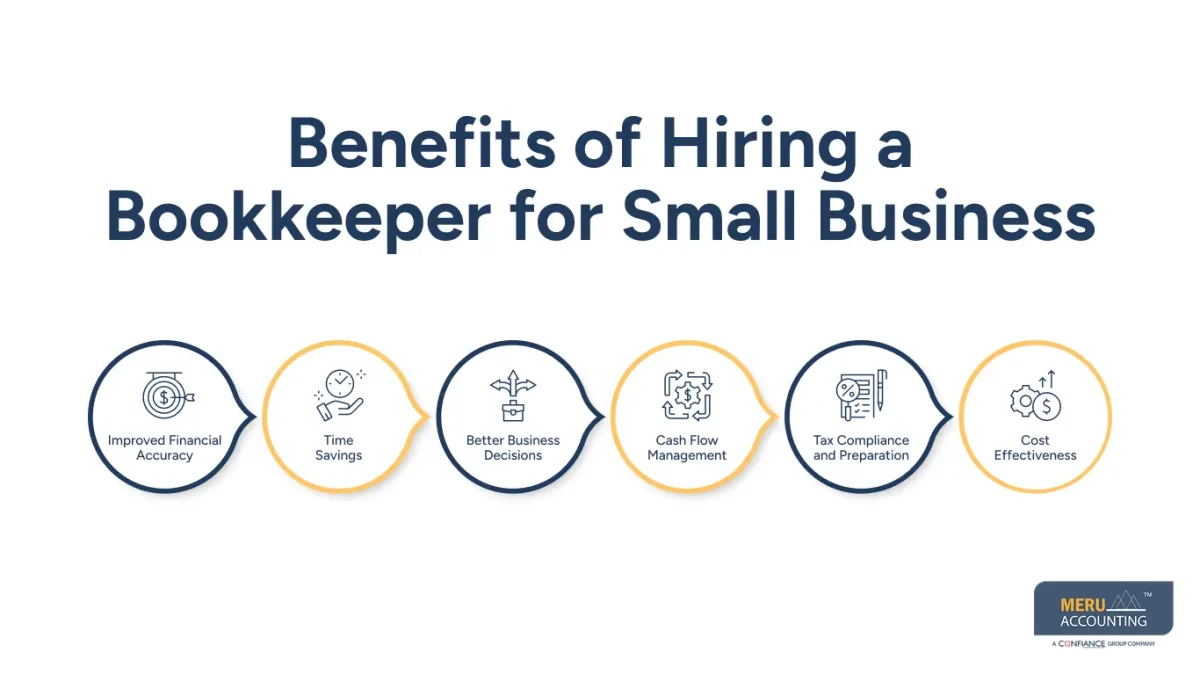
- Improved Financial Accuracy: Professional bookkeeping reduces errors and ensures all financial information is accurately recorded and reconciled.
- Time Savings: Outsourcing bookkeeping frees up your time to focus on sales, marketing, and other revenue-generating activities.
- Better Business Decisions: Access to timely and accurate financial reports helps you make informed business choices.
- Cash Flow Management: Bookkeepers monitor cash inflows and outflows, assisting in maintaining a healthy cash flow.
- Tax Compliance and Preparation: Ensures records are organized and compliant for smooth and accurate tax filing.
- Cost-Effectiveness: Hiring a bookkeeper can be more economical than dealing with financial mistakes or penalties arising from poor record management.
Types of Bookkeeping Services Available for Small Businesses
When deciding to hire a bookkeeper for your small business, it is essential to understand the types of services available to suit your specific needs.
In-House Bookkeeping
Hiring a full-time or part-time bookkeeper as an employee who works on-site can be ideal for businesses with high transaction volumes and complexity.
Outsourced Bookkeeping
Many small businesses prefer outsourcing bookkeeping services to external firms or freelancers. This option provides flexibility, often lower costs, and access to professionals with broad experience.
Virtual Bookkeeping
Advancements in cloud technology have made virtual bookkeeping increasingly popular. Virtual bookkeepers manage your financial records remotely, often with real-time access to your accounting software.
How to Choose the Right Bookkeeper for Your Small Business
Selecting a skilled and reliable bookkeeper is essential to maximize the benefits of professional financial management. Here are critical factors to consider when hiring a bookkeeper.
Experience and Qualifications
Look for bookkeepers with relevant experience working with small businesses in your industry. Certified bookkeepers or those with accounting designations are preferable.
Technical Skills
Proficiency in popular accounting software like QuickBooks, Xero, or FreshBooks is vital. The ability to handle digital tools and cloud platforms ensures efficiency.
References and Reputation
Check customer references, testimonials, and reviews to understand the bookkeeper’s track record and client satisfaction.
Communication and Availability
Clear communication channels and availability that align with your business needs are essential for a smooth working relationship.
Cost and Payment Structure
Determine whether the bookkeeper charges hourly rates, fixed fees, or monthly retainers. Assess affordability relative to the expected benefits.
Cost Considerations for Hiring a Bookkeeper for Small Business
The cost of bookkeeping services varies based on service complexity, location, and expertise level. Understanding these cost factors helps in budgeting appropriately for your small business.
| Type of Bookkeeping Service | Average Hourly Rate | Monthly Cost Range |
|---|---|---|
| In-House Bookkeeper | $20 – $35 | $1,500 – $4,000 |
| Outsourced Bookkeeping Firm | $30 – $75 | $400 – $2,000 |
| Freelance Bookkeeper | $25 – $50 | Varies based on workload |
| Virtual Bookkeeping Service | $40 – $60 | $300 – $1,500 |
The investment in bookkeeping services typically pays for itself through improved financial control, avoidance of costly errors, and more strategic business management.
Common Bookkeeping Challenges Faced by Small Businesses and How a Bookkeeper Helps
Small businesses may encounter various bookkeeping challenges that hinder smooth financial operations. Hiring a professional bookkeeper can alleviate these issues.
Maintaining Up-to-Date Records
Many small business owners struggle to keep their books current due to time constraints or lack of expertise. A bookkeeper ensures timely posting of financial transactions.
Managing Payroll and Tax Obligations
Handling payroll accurately while adhering to tax regulations can be complex. Bookkeepers streamline payroll processing and maintain compliance with tax laws.
Reconciling Bank Statements
Reconciliation differences can lead to financial discrepancies. Bookkeepers regularly reconcile accounts to identify and correct errors quickly.
Generating Accurate Financial Reports
Accurate financial statements are critical for decision-making and compliance. Bookkeepers prepare detailed reports customized to your business needs.
Ensuring Internal Controls
Implementing proper controls reduces the risk of fraud or mismanagement. Experienced bookkeepers advise on and maintain necessary internal checks.
How Meru Accounting Can Support Your Small Business Bookkeeping Needs
Meru Accounting is a trusted provider specializing in small business bookkeeping services. With a team of seasoned professionals, Meru Accounting offers tailored solutions including transaction recording, bank reconciliation, payroll management, and financial reporting. Their cloud-based bookkeeping approach provides real-time access to your financial data, enabling you to make informed decisions swiftly. Meru Accounting’s commitment to accuracy and compliance ensures that your small business maintains spotless financial records, thereby reducing tax-related stress and supporting business growth.
Steps to Effectively Integrate a Bookkeeper into Your Small Business
Hiring a bookkeeper is just the first step; integrating them into your operations effectively is equally important. Follow these steps to establish a successful collaboration:
- Define Clear Roles and Responsibilities: Outline the tasks the bookkeeper will handle to avoid overlaps or missed duties.
- Choose the Right Accounting Software: Implement accounting software that suits both your business needs and the bookkeeper’s proficiency.
- Establish Communication Protocols: Set up regular meetings or reporting schedules to keep the business owner informed.
- Provide Access and Tools: Ensure the bookkeeper has secure access to banking, payroll, and relevant financial information.
- Review and Monitor Financial Reports: Regularly review reports to stay updated on business financial health and identify potential issues early.
- Encourage Continuous Improvement: Collaborate on refining bookkeeping processes to increase efficiency and accuracy.
Conclusion: Why Hiring a Bookkeeper is a Smart Move for Small Businesses
In today’s competitive and fast-paced business environment, small business owners must efficiently manage all aspects of their enterprise to succeed. While many owners try to handle bookkeeping themselves, this task demands specialized skills, consistent attention, and up-to-date knowledge of financial regulations. Hiring a bookkeeper for small business not only ensures that financial data is accurate and compliant but also frees up valuable time to focus on core business growth strategies. Whether through in-house staffing, outsourcing, or virtual services, professional bookkeeping support is an investment that can significantly enhance your financial management and pave the way for sustained success.
FAQs
When should I hire a bookkeeper for my small business?
You should consider hiring a bookkeeper when your financial transactions become too frequent or complex to manage alone, or when you want to ensure accurate and timely financial records for your business.
Why is it important to hire a bookkeeper for a small business?
Hiring a bookkeeper helps maintain organized financial records, saves time, ensures compliance with tax regulations, and provides valuable insights into your business’s financial health.
What are the key benefits of hiring a professional bookkeeper for my small business?
Professional bookkeepers bring expertise in managing accounts, reduce errors, improve financial reporting, and allow business owners to focus on growth and operations.
How can I determine if my small business needs a bookkeeper?
If you find bookkeeping tasks overwhelming, experience cash flow management issues, or need help preparing for taxes, it is a good sign that hiring a bookkeeper will benefit your business.
What tasks can a bookkeeper handle for a small business?
A bookkeeper can manage daily financial transactions, reconcile bank statements, prepare financial reports, track expenses and income, and assist with payroll and tax filings.


