
Stock is one of the most important things a business owns. A firm may sell goods online, run a shop, use a warehouse, or make goods for sale. In each case, it must keep track of stock. Poor stock control can lead to lost sales, added costs, late orders, and poor buyer trust. As a firm grows, paper logs and spreadsheets can become hard to use. This is where inventory management software can help. It helps firms track goods, watch stock, and keep work on track with more speed and care.
Good stock management is not just about how much stock a firm has. It is about having the right goods in the right place at the right time while keeping costs in check. Modern inventory management software helps firms do this with automation, live stock monitoring, and clear reports.
In this blog, we will look at why firms need inventory management software, the issues it can fix, and how it helps with better stock management in many fields.
What You Will Learn From This Blog
By the end of this blog, you will learn:
- What inventory management software is
- Why stock management is key for growth
- Common stock issues firms face
- The need for inventory software in stock management
- Main tools to look for in a stock system
- How stock tools help many kinds of firms
- Tips to help keep stock in good shape
What Is Inventory Management Software?
Inventory management software is a tool that helps firms track, sort, and handle stock. It keeps count of goods, tracks stock flow, and shows live stock data. With inventory software, firms can cut down on manual work. The tool can help with stock checks, purchase orders, sales data, warehouse tasks, and stock reports.
The tool pulls data from many parts of a firm and puts it in one place. This helps staff make smart choices with up-to-date facts. Many stock management tools can link with sales, buying, web stores, and bookkeeping systems.
Understanding Stock Management and Its Importance
Stock management means keeping track of goods that a firm buys, stores, and sells. The goal is to have the right stock on hand while not holding more than needed.
Good stock management helps firms:
- Stop stock shortages
- Reduce extra stock
- Help cash flow
- Boost order speed
- Keep buyers happy
Without good stock management, a firm may have too much or too little stock. Low stock can lead to lost sales. Too much stock can raise storage costs and cut profit. Good stock control helps firms keep stock at the right level and stay ready for growth.
Common Inventory Challenges Businesses Face
Many firms deal with stock issues that hurt daily work and profit.
Lack of Stock View
A firm may not know how much stock it has at each site. This can make it hard to buy goods and fill orders.
Too Much Stock
A firm may buy more goods than it needs. This can raise storage costs and tie up cash.
Stock Shortages
When necessary goods run out, sales can be lost. Buyers may also shop with a rival firm.
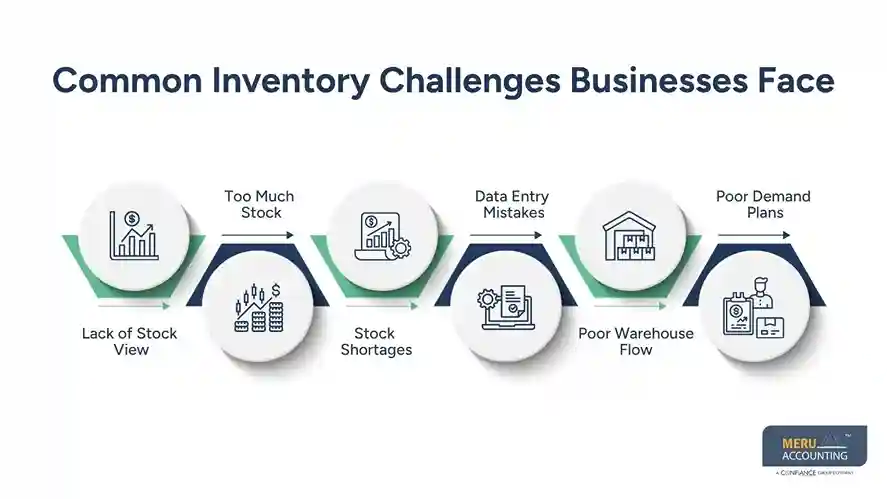
Data Entry Mistakes
Manual entry can lead to errors. Even small errors can lead to poor stock counts.
Poor Warehouse Flow
If stock is not set up well, staff may need more time to pick, pack, and ship goods.
Poor Demand Plans
A firm may not know what buyers will need next. This can lead to stock gaps or too much stock.
These issues show why better stock tools are now a must for many firms.
Need of Inventory Management Software in Stock Management
The need for inventory management software keeps rising as firms look for ways to save time and cut errors.
Live Stock Checks
One key benefit of inventory software is live stock data. Staff can see stock counts right away and act fast.
Better Stock Counts
Auto updates help cut manual work and lower the risk of mistakes. This helps firms keep stock data accurate.
Better Plans
Past sales data can help firms spot trends and plan what stock they may need next.
Less Risk of Too Much or Too Little Stock
The tool can send alerts when stock gets low. It can also help stop firms from buying too much.
Fast Order Flow
Staff can find goods with less time and fill orders more quickly. This helps buyers get goods sooner.
Cost Control
Less waste and fewer errors can help cut costs and raise profit.
Better Choices
Reports help firms learn which goods sell well and which goods move more slowly.
Help for Growth
As a firm grows, inventory software can keep up with more goods, more sales, and more work.
These benefits make inventory software a key part of stock management.
Key Features to Look for in Inventory Management Software
Not all inventory management software is the same. Firms should look for key tools that fit their needs.
- Live Stock Data: The tool should show the most up-to-date stock data at all times.
- Bar Code Use: Bar codes help staff track stock with less work and fewer errors.
- Reorder Alerts: The tool should send alerts when stock gets low.
- Stock Reports: Reports help firms track stock use and make smart choices.
- Multi-Site Stock Use: A firm with more than one site should be able to track stock at all sites.
- Buy Order Tools: The tool should help staff place and track buy orders.
- System Links: Links with sales, web store, and book work tools can save time and cut errors.
- Cloud Use: Cloud tools help staff view stock data from any place with web access.
The right mix of tools can help improve stock control and stock management.
How Inventory Management Software Improves Stock Management Across Industries
Many kinds of firms use inventory management software to help track stock and keep work on track.
Retail Firms: Shops use stock tools to track goods, watch sales, and help keep top goods on hand.
E-Commerce Firms: Web stores use stock tools to stop sales of goods that are out of stock. This helps keep buyers happy.
Firms That Make Goods: These firms use stock tools to track raw goods, work in process, and goods ready for sale.
Wholesale Firms: These firms may hold large amounts of stock. Good stock tools help them track goods with ease.
Health Care Groups: Health care groups use stock tools to track key goods and make sure stock is on hand when it is needed.
Supply and Ship Firms: These firms use inventory software to help move goods from one place to the next with less delay.
No matter the field, good stock management can help boost work speed and profit.
Meru Accounting's Bookkeeping with Inventory Management Software
At Meru Accounting, we know that stock plays a big role in business growth. Good stock data helps firms keep clear books and make smart choices. Our team helps firms set up and use inventory management software that fits their needs. We help with stock checks, stock reconciliation, reports, and links with bookkeeping systems.
By using inventory management tools, we help firms keep stock data right and gain a clear view of their business.
Our services include:
- Stock tracking
- Stock reconciliation
- Bookkeeping reports
- Stock records
- Tool setup
- Stock review and checks
With the right tools and steps, firms can improve stock management and keep their books in good shape.
Our Expert Insight
Many firms focus on sales and miss the value of good stock control. Yet stock has a direct link to cash flow, profit, and buyer trust. From what we have seen, firms that use inventory management software gain a better view of daily work. They can act fast, make smart choices, and spend less time on manual tasks.
The best firms treat stock work as a daily task. They check stock often, use good data, and make plans based on facts. The tool is only part of the answer. Firms must also keep a close watch on stock levels to get the best results.
Key Takeaways
- Inventory management software helps firms track and control stock.
- Good stock management can help cut costs and raise buyer trust.
- Auto tools help cut errors and save time.
- Live stock data helps firms make smart choices.
- Many fields gain from stock tools.
- Links with book work systems help keep data right.
FAQs
Inventory management software is a tool that helps firms track, view, and control stock while helping keep stock data right.
Stock management helps firms keep the right amount of stock, cut costs, stop shortages, and keep buyers happy.
The tool reduce manual work, updates stock data on its own, and helps keep stock counts right.
Yes. Many inventory management tools can link with accounting systems to help keep data in sync and improve reports.
Retail, online store, goods-making, wholesale, health care, and supply firms can all gain from better stock control and stock management.
optional anymore
on running the business