


- Our experts are always all ears to listen to your queries regarding bookkeeping and accounting or our services. You can contact us anytime by visiting: Contact Us page.
Hassle-Free Bookkeeping for Carpenters
Hire Remote Bookkeeper, Accountant, Tax Preparer, or Admin Staff
Monthly Bookkeeping, Payroll, Financial Reports, and Tax Help for Carpentry Businesses

Bookkeeping for Carpenters Services
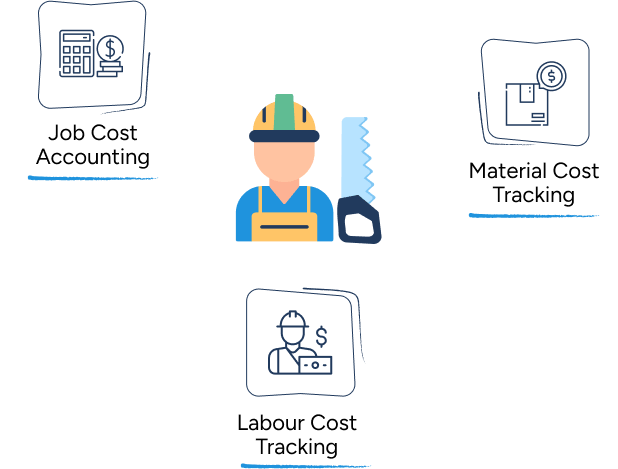
The carpentry business runs on project based work, material costs, labour payments, and client contracts. Every job involves wood purchase, fittings, transport, and skilled labour, which creates complex daily financial movement that must be tracked with care to avoid loss or mispricing. Bookkeeping for carpenters ensures every transaction is recorded properly, matched with the correct project, and verified for accuracy. This gives a clear picture of job cost, income, and profit across each carpentry project.
With proper systems in place, carpentry businesses can control spending, avoid material wastage, and price jobs more accurately. Carpenter accounting also helps track labour efficiency, manage vendor payments, and improve cash flow stability across multiple projects. Carpenter tax accounting ensures proper classification of expenses and income for compliance and accurate reporting. In a trade where margins depend heavily on material cost control, structured financial tracking becomes essential for long term stability.

Industry Insight
According to industry trade estimates from IBISWorld construction services data, small contracting and carpentry businesses often lose between 8% to 12% of profit due to poor job cost tracking and unbilled expenses. This highlights the importance of accurate bookkeeping systems for carpenters.
Trusted by carpenters and woodworking contractors, Meru Accounting makes bookkeeping for carpenters simple and reliable. We manage job costing, expense tracking, and reporting so you can focus on your craft and projects.
Key Aspects of Bookkeeping for Carpenters
Bookkeeping for carpenters plays a key role in managing project costs, labour payments, and material expenses. Carpenter accounting and tax focused financial tracking together ensure accurate tracking of income and costs across all jobs. These systems help reduce errors, control waste, and improve profit margins. Strong bookkeeping also supports tax planning and business growth decisions.
Budget and Job Cost Planning
Plan each carpentry project budget based on material, labour, and transport costs. Estimate profit before starting any job using past project data. This helps avoid underpricing and unexpected losses. It also improves long term financial planning.
Track Material and Supply Costs
Record all wood, fittings, nails, and tools used in each project. Even small items like screws and adhesives affect total cost. This helps prevent material leakage and overspending. It also supports accurate carpenter accounting records.
Labour Cost Tracking
Track wages for helpers, skilled workers, and subcontractors for every project. Ensure payments match actual work done on site. This avoids disputes and improves workforce control. It also strengthens carpenter accounting accuracy.
Client Billing and Payments
Record advance payments, milestone payments, and final invoices clearly. Track pending dues from each client to avoid cash flow gaps. This ensures smoother business operations. It also supports accurate financial and carpenter tax accounting records.
Vendor and Supplier Management
Manage payments to timber suppliers, hardware shops, and transport vendors. Keep all bills and receipts properly recorded. This reduces duplication and missed payments. It also improves carpenter accounting control.
Tax Preparation and Expense Tracking
Record all business expenses for tax filing and deduction claims. Carpenter tax accounting ensures eligible costs like tools, transport, and materials are properly documented. This reduces tax liability legally. It also avoids compliance issues.
Audit and Record Checking
Match job records with bank statements regularly. This helps identify missing entries or errors early. Clean records improve financial accuracy. It also supports carpenter accounting reliability.
Cash Flow Monitoring
Track money coming in from projects and going out for materials and labour. This ensures funds are always available for ongoing jobs. Strong cash flow supports smooth operations. It also improves financial planning readiness.
How Bookkeeping for Carpenters Helps Businesses
Bookkeeping for carpenters brings structure to project based work where costs and income vary daily. Carpenter accounting improves clarity, reduces financial errors, and supports better decision making. Tax related financial organization helps ensure compliance and reduces filing stress. Together, they help carpentry businesses operate with more control and stability.
Full Financial Tracking
Track income and expenses for each carpentry project separately. This includes materials, labour, and transport costs. It helps identify profitable and loss making jobs. It also strengthens carpenter accounting accuracy.
Clear Financial Reports
Generate simple reports showing profit and cost per project. These reports help owners understand business performance clearly. They also support pricing decisions for future work. This improves financial reporting structure.
Tax-Ready Records
Maintain all receipts, invoices, and payment records in proper order. This ensures smooth tax filing without last minute issues. It also reduces the risk of penalties. Carpenter tax accounting becomes more structured and reliable.
Time and Cost Savings
Reduce manual record keeping by using structured bookkeeping systems. This saves time for carpenters who focus on site work. It also reduces accounting errors. Carpenter accounting becomes more efficient.
Cash Flow Control
Track payment cycles from clients and outgoing material costs. This helps avoid delays in supplier payments. It also supports stable business operations. Financial control improves overall stability.
Business Growth Support
Better financial tracking helps carpenters take more projects confidently. It also supports expansion into larger contracts. Clear data improves decision making. Accounting helps scale operations.
Types of Carpentry Businesses
Carpentry work includes different business types with unique financial patterns. Bookkeeping for carpenters helps manage each type with structured financial tracking. Carpenter accounting ensures accurate cost control across all models. Tax related financial tracking supports compliance for all categories.
Residential Carpentry Work
Includes home furniture, doors, and renovation projects. Costs are usually project based and material heavy. Tracking helps control small but frequent expenses. Carpenter accounting improves job accuracy.
Commercial Carpentry Projects
Includes office interiors, shops, and fittings. Projects are larger and require detailed cost planning. Payment cycles are often milestone based. Carpenter tax accounting ensures proper documentation of project based income and expenses.
Custom Furniture Businesses
Focus on made to order furniture production. Each product has unique material and labour cost. Tracking helps calculate exact profit per item. Carpenter accounting ensures pricing accuracy.
Contract Based Carpentry Services
Work is done through contracts with builders or companies. Payments depend on contract terms and timelines. Proper bookkeeping avoids payment delays. Carpenter tax accounting ensures compliance with contract based billing and reporting.
Software We Use in Bookkeeping for Carpenters
Good tools improve accuracy and reduce manual errors in carpentry bookkeeping.

Track income, expenses, and job costing

Monitor cash flow and bank transactions

Manage invoices and vendor payments
These tools support bookkeeping for carpenters by improving accuracy, speed, and financial control.

Track project based billing

Simple bookkeeping for small carpentry businesses

Large scale financial management
Role of Accounting Services for Carpenters
Here are the main roles of bookkeeping for carpenters:
Daily Transaction Logging
Record all material purchases and labour payments on the same day they occur. This ensures no business cost is left out or delayed in records. It also supports clean and reliable bookkeeping for carpenters.
Job Cost Tracking
Track each carpentry project separately from start to finish for better cost control. This helps calculate actual profit or loss for every job. It also supports accurate pricing for future work. Carpenter tax accounting becomes more reliable with clear project level documentation.
Vendor Payment Management
Manage all supplier and contractor payments according to agreed timelines. This helps avoid delays in material supply and reduces disputes. It also maintains trust with vendors and service partners. Accounting becomes more stable and predictable.
Financial Reporting
Prepare clear reports that show income, expenses, and profit for each project. This helps business owners understand overall performance in a structured way. It also supports better financial planning and decision making. Financial records stay accurate and consistent.
Profit Analysis
Compare total income with total expenses for every completed job. This helps identify which projects generate stronger margins. It also highlights areas where costs can be controlled. Accounting improves overall efficiency and cost awareness.
Cash Flow Management
Track all incoming payments from clients and outgoing project expenses. This helps avoid cash shortages during ongoing work. It also ensures smooth payment cycles for materials and labour. Financial records remain stable and updated.
Contract Tracking
Maintain proper records of all client agreements, terms, and project scope. This helps avoid confusion during execution or billing stages. It also ensures payments match agreed terms. Accounting stays organized and legally clear.
Error Reduction
Review entries regularly to identify missing data or calculation mistakes. This improves overall accuracy of financial records. It also reduces risks during audits or tax filing. Financial systems become more dependable and compliant.
Why Choose Meru Accounting for
Bookkeeping for Carpenters
Managing carpentry finances needs accuracy, consistency, and project based tracking. Meru Accounting provides structured bookkeeping for carpenters with clear systems for cost control and reporting. Our financial and tax aligned accounting solutions help businesses stay organized, compliant, and financially aware.
Hands On Financial Management
We manage each transaction with careful review and consistent accuracy. Every entry is verified against supporting records before final posting. This ensures reliable and audit ready financial books.
Project Based Tracking
Each carpentry job is recorded separately from start to finish. This helps identify true profit and cost for every project. It also improves pricing accuracy for future work.
Fast Financial Reporting
We provide timely financial reports with clear breakdowns of income and expenses. This supports quicker business decisions based on real data. It also improves financial visibility across projects.
Time Saving Systems
We handle routine bookkeeping tasks with structured processes. This reduces manual workload for carpenters and teams. It allows more time to focus on core carpentry work.
Growth Support
Our systems are designed to handle increasing project volumes smoothly. This ensures financial records remain organized during business expansion. It supports stable and scalable growth.
Risk Reduction
We follow strict review processes to maintain financial accuracy. This reduces errors, missed entries, and compliance risks. It helps keep business finances stable and protected.
Tips for Efficient Bookkeeping for Carpenters
- Use Accounting Software
Digital tools reduce manual errors and improve data accuracy. They help manage multiple carpentry projects in an organized way. They also support real time financial tracking. This strengthens carpenter accounting systems.
- Track Every Material Purchase
Record all material and hardware purchases, including small items. This helps prevent hidden cost leakage in projects. It also improves accurate job costing. It strengthens cost tracking records.
- Separate Business Money
Keep personal and business finances completely separate. This avoids confusion during reporting and analysis. It also simplifies tax filing and compliance. It improves bookkeeping clarity.
- Reconcile Accounts Regularly
Match bookkeeping records with bank statements on a regular basis. This helps identify missing or incorrect entries early. It improves overall financial accuracy. Financial records become more reliable.
- Maintain Client Records
Keep complete records of all client projects and payments. This helps avoid disputes and billing errors. It also improves transparency in transactions. Bookkeeping for carpenters becomes more structured.
- Monitor Cash Flow
Track money inflow and outflow on a regular basis. This ensures funds are available for ongoing work. It also prevents cash shortages during projects. Financial stability remains controlled.
- Control Material Waste
Monitor usage of wood, fittings, and other materials carefully. This helps reduce unnecessary wastage and cost loss. It also improves overall profit margins. Bookkeeping becomes more efficient.
- Hire Experts When Needed
Professional support improves accuracy in financial management. It also reduces workload pressure on carpenters. It ensures better compliance with financial rules. Financial systems become more dependable.
- Track Labour Efficiency
Monitor worker output and productivity for each project. This helps improve cost control and planning. It also supports better resource allocation. Bookkeeping results become more accurate.
- Plan Tax Early
Prepare tax related records throughout the year. This reduces last minute stress and errors. It also helps avoid penalties and compliance issues. Carpenter tax accounting becomes smoother and more structured.
- Use Structured Accounts
Organize income, expenses, and costs into clear categories. This improves reporting and financial analysis. It also supports better decision making. Carpenter accounting becomes easier to manage.
- Audit Records Regularly
Review financial records at regular intervals for accuracy. This helps detect errors and inconsistencies early. It also improves trust in financial data. Records stay clean and compliant.
- Track Vendor Costs
Monitor supplier pricing and billing changes carefully. This helps maintain cost control across projects. It also improves budgeting accuracy. Carpenter accounting becomes more stable.
- Plan Business Growth
Use financial reports to guide expansion decisions. This reduces risk during scaling. It also improves long term planning. Financial tracking supports sustainable growth.
Meru Accounting’s Bookkeeping
for Carpenters Services
Managing carpentry finances requires accurate job tracking, strong cost control, and structured reporting systems. Meru Accounting provides complete bookkeeping for carpenters with organized processes designed for project based work environments. Our accounting and tax aligned systems ensure financial clarity, compliance readiness, and long term business growth support.
01. Job Cost Tracking
We record all project related expenses in a structured manner for each carpentry job. This includes materials, labour, transport, and other direct costs. It helps calculate true profitability for every project. It improves overall financial accuracy and decision making.
02. Vendor Management
We track all supplier invoices and payment records with proper verification. This helps prevent duplicate payments and billing errors. It also ensures timely settlements with vendors. Carpenter accounting becomes more reliable and controlled.
03. Client Billing
We manage client invoices, payment milestones, and due tracking systematically. This helps ensure payments are received on time without delays. It also reduces gaps in cash flow cycles. Financial records remain accurate and properly documented.
04. Financial Reporting
We prepare structured reports covering income, expenses, and project performance. This helps business owners understand financial health clearly. It also supports informed planning and pricing decisions. Carpenter accounting becomes more transparent and actionable.
05. Cash Flow Planning
We monitor all incoming client payments and outgoing business expenses. This ensures smooth financial operations across active projects. It also helps prevent cash shortages during peak work periods. Financial tracking remains stable and consistent.
06. Tax Ready Records
We maintain complete and organized records of all income and expenses. This ensures smooth and accurate tax filing at any stage. It also reduces the risk of compliance issues or penalties. Carpenter tax accounting ensures all deductions and filings are properly supported with documentation.
07. Reconciliation and Checks
We regularly match internal records with bank statements and payment systems. This helps identify discrepancies at an early stage. It ensures accuracy across all financial data. Financial systems become more dependable and secure.
08. Scalable Support
We support business growth by adapting bookkeeping systems to increasing project volumes. New jobs and clients can be added without disrupting existing records. This ensures continuity and consistency in financial management. Carpenter accounting remains structured and scalable.

Our Expert Insight
In our experience working with small trade and construction based businesses, carpenters often focus heavily on skill work but underestimate job level costing. This leads to underpricing and hidden losses over time. Once structured bookkeeping for carpenters is implemented, profit visibility improves within the first few cycles. Carpenter accounting and tax aligned financial tracking together create a clear financial foundation that supports long term stability and smarter project decisions.
Don’t let messy numbers slow down your carpentry business.
Let Meru Accounting manage your bookkeeping for carpenters with clear job tracking, accurate reports, and expert support. Focus on your craft while we keep your finances organized and tax ready.
FAQ's
We categorize revenue by project type, such as furniture building, cabinetry, or custom installations, to provide detailed financial insights.
Yes, we help manage expenses for wood, tools, hardware, and other materials, ensuring accurate job costing and profit analysis.
We manage payroll for your team, including employees and subcontractors, ensuring timely payments and compliance with tax regulations.
Yes, we help create detailed financial estimates for materials, labor, and overhead to ensure your projects remain profitable.
We track and maximize deductions for tools, workshop expenses, and vehicle mileage, reducing your overall tax liability.
Hiring Virtual Accountant With Meru Accounting
- Meru Accounting provides world-class services that cater to all the needs of cloud accounting and bookkeeping of your business.
- We work on the best accounting software like Xero and Quickbooks, as well as add-ons that will make sure all your work is up-to-date.
- Help you with switching from your traditional software to Xero and Quickbooks.
- We also manage VAT, BAS, Sales Tax and Indirect taxes for you so you are always ready at the end of the financial year.
When you choose to outsource your accounting work with us, it benefits you in the following ways:
- Cost-saving
- Access to skilled and experienced professionals
- Better management of books of accounts
- Decreased chances of errors
- Improve business efficiency
- De-burdens in-office employee’s dependency
- Better turnaround time
- We work on virtual technologies like Team Viewer, Virtual Private Network (VPN) to share and access data from your system.
- You have to share your accounting software login details.
- Through that, we complete all of your work and update it on the cloud, so you can have access to your data from anywhere and at any time.
- Software is not a barrier for us. Due to our strong and professional accounting knowledge, we can prepare your books in almost any of the accounting software.
We provide our bookkeeping services at the rate of US $10 per hour. So, you only need to pay for the amount of time actual work is done.
We take certain preventive measures to secure your data, like:
- Cyberoam Firewall to prevent any kind of foreign threat.
- Dual-step authentication
- Implement anti-virus
- Limit user access so that login details are with a few people.
- Meru Accounting work on some of the best accounting software’s like:
- Xero
- Quickbooks
- Netsuite
- Saasu
- Wave
- Odoo
- Along with that, we also work with many add-ons like Workflow Max, Receipt Bank, Slack, TradeGecko etc., to extend your software’s capacity and improved work experience.
To book for trial, call us on our numbers or Please fill out the form here.
Our Work Information
- We have combined team of Professionals. Seniors are generally Certified Chartered Accountants. Junior Bookkeepers are having Qualifications like Bachelors of Commerce, Masters of Commerce, Masters in Business Administration in the subject of Accounts and Finance, Intermediate level Qualification of Chartered Accountancy, etc.
- For information visit our work methodology page.
We prepare a checklist of information required for bookkeeping and send you at timely intervals so as to ensure that we can do bookkeeping faster.
- We can provide to you once we move ahead in our interview.
- We serve clients on MYOB and have expertise working in Essentials, Account Rights Plus, etc.
Yes, We are presently processing Payroll for Number of clients in US , UK and Australia and take care of complete payroll activities.
Goods and Service tax (GST) is levied on sales of all the goods and services in Australia. GST is generally chargeable at 10% of value of sales.
- Business Activity Statement is a predefined form to be submitted to the Australian Tax office by all the business persons in order to report on their all the tax obligations during the period covered.
- BAS is generally required to be filed quarterly by various businesses.
Individual Business Owners
- Yes, Owner of the business can prepare sign and lodge the tax return on his own. Its not mandatory that the Tax return needs to be signed by an EA or CPA.
- No , its not mandatory that it should be prepared by only CPA or EA. It can be prepared by anyone who has PTIN.
We have Enrolled Agent who has the Authority to sign the documents for our clients after completing the through professional check.
Meru Accounting has its operational centre in India and hence the prices are quite less as compared to US based CPA’s and Enrolled Agents.
Meru Accounting has a team of Tax experts. Each Tax expert prepares around 300-400 Tax returns every year for various CPA’s in United States and Individual Businesses like yours. Due to this vast Experience and Robust Quality Check processes in place we can ensure you about correct Tax planning for your firm.
