



- Our experts are always all ears to listen to your queries regarding bookkeeping and accounting or our services. You can contact us anytime by visiting: Contact Us page.
Hassle-Free Accounting for Power Infrastructure Services
Hire Remote Bookkeeper, Accountant, Tax Preparer, or Admin Staff
Monthly Bookkeeping, Payroll, Financial Reports, and Tax Help for Power Infrastructure Businesses
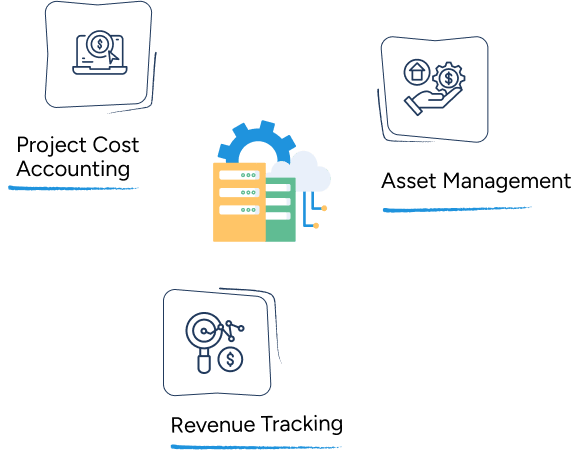

Accounting for Power Infrastructure
Power infrastructure businesses deal with large capital investments, ongoing operations, and complex regulatory requirements. Managing finances across generation plants, transmission systems, and distribution networks can become difficult without proper systems. Accounting for power infrastructure helps track costs, revenue, and compliance in a clear and organized way. It ensures that all financial activities are recorded properly and remain easy to review. It also supports better planning for long term infrastructure projects and financial commitments. Clear accounting practices help reduce risks and improve overall financial visibility.
With structured bookkeeping for power infrastructure, businesses can monitor project expenses, operational costs, and income streams effectively. Using accounting software for power infrastructure and bookkeeping software for power infrastructure improves accuracy and reduces manual errors. A skilled accountant for power infrastructure and an experienced bookkeeper for power infrastructure help maintain control over finances. This allows power infrastructure companies to focus on operations while keeping financial records reliable and consistent. It also helps businesses respond quickly to financial challenges and changing market conditions. Strong financial systems create a stable foundation for growth and expansion in power infrastructure.
Trusted by energy companies, Meru Accounting makes accounting for power infrastructure simple and reliable. We manage your financial records so you can focus on operations and growth.
Key Aspects of Accounting for
Power Infrastructure
Accounting for power infrastructure helps businesses track spending, manage assets, and maintain financial stability. It supports better planning and reduces risks in long-term projects.
Budget and Forecast for Projects
Planning budgets is important in accounting for power infrastructure to manage large investments. Forecasting helps estimate future costs and expected revenue. It ensures funds are available for ongoing and upcoming projects. It also helps businesses prepare for unexpected financial changes.
Track Operational and Maintenance Costs
Bookkeeping for power infrastructure records daily expenses such as fuel, labor, and repairs. It also tracks scheduled maintenance and emergency costs. This helps control spending and avoid unexpected financial pressure. It improves cost visibility across all operations.
Revenue and Billing Tracking
Revenue tracking ensures all earnings from power generation and distribution are recorded correctly. Billing systems help manage contracts and payment cycles. This reduces delays and improves cash flow visibility. It also ensures accurate and timely collections.
Vendor and Contractor Payments
Payments to contractors and suppliers are tracked carefully to avoid delays. Invoices are verified and recorded properly in the system. This ensures smooth operations and builds strong vendor relationships. It also helps maintain trust and reliability with vendors.
Asset and Equipment Management
Power infrastructure includes expensive assets that must be tracked accurately. Depreciation and maintenance costs are recorded over time. This helps in understanding asset value and planning replacements. It also supports better long-term investment decisions.
Tax Preparation and Compliance
Accounting for power infrastructure ensures all taxes and regulatory requirements are met. Records are maintained for audits and inspections. This reduces risks of penalties and non-compliance. It also ensures smooth handling of regulatory reviews.
Audit and Reconciliation
Regular reconciliation ensures all accounts match financial records. Errors are identified and corrected quickly. This keeps reports accurate and reliable. It also strengthens overall financial control.
Cash Flow Management
Cash flow tracking helps ensure funds are available for operations and projects. It allows better planning of expenses and investments. This supports long-term financial stability. It also helps avoid liquidity issues during critical operations.
How Accounting for Power
Infrastructure Helps Businesses
Accounting for power infrastructure improves clarity, reduces errors, and supports better planning. It gives a complete view of financial performance.
Full Financial Tracking
Accounting for power infrastructure ensures all transactions are recorded properly. Bookkeeping for power infrastructure tracks project costs, expenses, and revenue streams. This creates a complete financial picture for better management. It helps identify areas where costs can be reduced. It also supports better control over daily financial activities.
Reports That Make Sense
Using accounting software for power infrastructure, businesses can generate clear reports. These reports show income, expenses, and profit trends. They help management understand financial performance easily. Clear reports support faster and smarter decisions. They also make it easier to share financial data with stakeholders.
Tax-Ready Records
A professional accountant for power infrastructure ensures all financial records are tax-ready. Proper documentation helps claim deductions and benefits. This reduces errors during tax filing. It also ensures compliance with regulations. It helps businesses avoid penalties and delays in filing.
Save Time and Money
Hiring a bookkeeper for power infrastructure reduces internal workload. It eliminates the need for extra staff and manual processes. This saves both time and operational costs. Businesses can focus more on core activities. It also improves overall efficiency in financial management.
Cash Flow Control
Tracking inflow and outflow helps maintain steady operations. Businesses can plan for upcoming expenses and investments. This reduces financial risks and unexpected shortages. It ensures smooth project execution. It also supports better long-term financial planning.
Clear Stakeholder Reports
Financial reports are shared with investors and management teams. These reports show project performance and profitability. Transparency builds trust and confidence. It helps in attracting future investments. It also strengthens communication between teams and stakeholders.
Types of Power Infrastructure Businesses
Power infrastructure includes various segments that require detailed financial tracking and reporting. Each segment has different cost structures, revenue models, and operational needs. Proper accounting for power infrastructure ensures that all these differences are handled accurately. It helps businesses maintain clarity and control across multiple operations.
Power Generation Plants
These include thermal, hydro, and renewable energy plants that produce electricity. Costs such as fuel, labor, and maintenance must be tracked carefully. Revenue from power sales needs to be recorded accurately. Proper accounting helps evaluate plant performance and profitability.
Transmission Networks
Transmission systems involve moving electricity over long distances. Infrastructure costs and maintenance expenses are significant in this segment. Accurate tracking ensures proper budgeting and planning. Financial clarity helps maintain efficiency and reduce losses.
Distribution Companies
Distribution companies deliver electricity to end users. They manage billing, collections, and operational expenses. Tracking customer payments is essential for maintaining cash flow. Proper accounting ensures accurate financial reporting.
Renewable Energy Projects
Solar, wind, and other renewable projects require detailed cost tracking. Government incentives and subsidies must be recorded correctly. Project performance is monitored through financial reports. Accurate accounting supports long-term sustainability.
Software We Use in our Accounting
for Power Infrastructure
Using the right tools improves efficiency and accuracy.

Track expenses, income, and reports

Manage transactions and bank integrations

Simplify daily bookkeeping
These tools support accurate accounting for power infrastructure and reduce manual work.

Manage financial operations and reporting

Handle large-scale infrastructure accounting

Specialized bookkeeping software for power infrastructure
Role of Accounting for Power Infrastructure
Here’s a list of all the roles of accounting for power infrastructure businesses:
Daily Transaction Logging
Every transaction is recorded accurately in accounting for power infrastructure systems. This includes expenses, revenue, and various operational costs across projects. Regular logging ensures that no financial activity is missed or overlooked. It keeps records consistently updated and reliable for review.
Cost Monitoring
Costs are tracked across different projects and ongoing operations. This helps identify areas where spending may be higher than expected. Proper monitoring improves financial control across all activities. It also supports more accurate and practical budgeting decisions.
Financial Reporting
Reports are generated using accounting software for power infrastructure systems. These reports provide useful insights into overall financial performance. They help management understand trends, patterns, and financial movements. Clear reporting supports informed and timely decision-making.
Profit Analysis
Profitability is evaluated for each project and operational segment. Income and expenses are compared on a regular and structured basis. This helps identify both profitable and underperforming areas. It supports better financial planning and future strategies.
Asset Tracking
Infrastructure assets are recorded and monitored throughout their lifecycle. Depreciation is calculated systematically over time. This helps maintain accurate and up-to-date financial records. It also supports better asset management and replacement decisions.
Compliance Management
All regulatory and financial requirements are followed carefully and consistently. Financial records are maintained in an organized way for audits and inspections. This reduces the risk of penalties, fines, or legal issues. It ensures smooth and compliant business operations.
Vendor Management
Vendor payments and contracts are tracked in a structured manner. This ensures that payments are made on time and without errors. Strong and reliable vendor relationships are maintained over time. It supports smoother operations and better service delivery.
Risk Management
Financial risks are identified and managed using proper accounting practices. Accurate records help reduce uncertainties and unexpected issues. This improves overall financial stability across operations. It supports long-term growth and business continuity.
Error Reduction
Using a bookkeeper for power infrastructure helps reduce common financial mistakes. Automated tools and systems improve overall accuracy in records. Regular checks ensure that all data remains reliable and consistent. This keeps financial records trustworthy and easy to verify.
Why Choose Meru Accounting for
Accounting for Power Infrastructure?
Managing financial operations in power infrastructure requires accuracy, experience, and proper systems. Meru Accounting provides reliable accounting for power infrastructure services tailored to industry needs. Our team ensures clear records, compliance, and financial control. We help businesses operate efficiently and grow with confidence.
Industry Expertise
Our accountant for power infrastructure understands the unique challenges of the industry. We ensure accurate handling and proper organization of all financial data. This improves decision-making and strengthens overall financial control.
Customized Solutions
We provide tailored accounting for power infrastructure services based on business requirements. Each company receives solutions that match its size, operations, and goals. This ensures better financial management and improved efficiency.
Real-Time Reporting
We provide timely and detailed financial reports using advanced accounting tools. Businesses can access important financial data whenever needed. This supports quicker decisions and better planning.
Time Saving
Our bookkeeper for power infrastructure handles daily financial tasks with consistency and care. This reduces the workload on internal teams and avoids manual errors. It allows businesses to focus more on their core operations.
Scalable Services
Our services are designed to grow along with your business needs and expansion plans. We manage multiple projects and financial records with ease and accuracy. This supports business growth without adding extra stress or complexity.
Reduced Risks
Accurate bookkeeping for power infrastructure helps reduce errors and financial inconsistencies. Compliance is maintained carefully across all financial activities and records. This ensures long-term financial safety and business stability.
Tips for Efficient Bookkeeping for
Power Infrastructure
- Use the Right Software
Choose reliable bookkeeping software for power infrastructure to manage records in an efficient and structured way. It helps automate repetitive tasks and reduces the need for manual work. This improves overall accuracy while saving valuable time for your team. It also provides real-time financial insights for better decision-making.
- Track All Costs
Record all operational and capital expenses on a regular and consistent basis. This helps maintain clear and well-organized financial records over time. It ensures that no cost is missed or recorded incorrectly. It also supports more accurate budgeting and cost control.
- Separate Accounts
Keep business and personal finances completely separate at all times. This avoids confusion and reduces the chances of accounting errors. It simplifies reporting processes and makes tax filing more straightforward. It also improves overall financial clarity and control.
- Reconcile Regularly
Match financial records with bank statements on a frequent basis. This helps identify errors or mismatches at an early stage. It ensures better accuracy in financial reports and statements. It keeps your books organized and ready for audits.
- Monitor Cash Flow
Track money coming in and going out in a consistent and structured manner. This helps maintain steady financial stability across operations. It supports better planning of expenses and future investments. It also helps prevent unexpected cash shortages.
- Maintain Asset Records
Record all infrastructure assets properly with complete and accurate details. Track depreciation along with ongoing maintenance costs over time. This helps in effective asset management and lifecycle tracking. It also supports better long-term financial planning.
- Plan for Taxes
Keep all financial records organized and ready for tax filing and compliance needs. Track deductions, credits, and benefits carefully throughout the year. This helps reduce the overall tax burden where possible. It also avoids last-minute stress during filing periods.
- Hire Experts
Work with an experienced accountant for power infrastructure to ensure better accuracy. Experts understand complex financial structures and industry-specific needs. They ensure proper record keeping and compliance at all times. They also help reduce errors and improve efficiency.
- Automate Processes
Use accounting software for power infrastructure to automate routine accounting tasks. Automation helps reduce manual errors and improves consistency in records. It increases overall efficiency in financial operations. It also saves time that can be used for strategic work.
- Track Vendor Payments
Maintain detailed records of all vendor transactions and payment schedules. Ensure payments are made on time and matched with proper invoices. This helps avoid disputes and delays in operations. It also builds strong and reliable vendor relationships.
- Maintain Documentation
Keep all invoices, receipts, and financial documents well organized and easy to access. This supports audits, reviews, and financial checks when required. It ensures compliance with regulations and internal policies. It also improves transparency across financial processes.
- Review Reports Monthly
Analyze financial reports on a monthly basis to stay updated on performance. This helps identify trends, issues, and areas that need attention. It supports better and faster decision-making for the business. It also improves overall financial control.
- Plan Budgets
Create detailed budgets for projects and ongoing operations. This helps control spending and allocate resources efficiently. It supports better financial planning and forecasting. It also ensures long-term financial stability.
- Audit Books Regularly
Conduct regular audits to check the accuracy and completeness of financial records. This helps identify mistakes or inconsistencies at an early stage. It improves the reliability of financial data and reporting. It also ensures strong financial integrity across the business.
Meru Accounting’s Accounting for
Power Infrastructure Services
Managing power infrastructure finances can often become complex due to multiple projects and high-value transactions. Our accounting for power infrastructure services ensure clarity, consistency, and accuracy across all financial records.
01. Project Cost Tracking
We track all project expenses and revenues accurately across different operations. This ensures complete financial visibility for every stage of the project. It helps manage budgets in a more structured and controlled way. It supports better and more informed decision-making. It also helps identify cost overruns at an early stage.
02. Vendor and Payment Management
We manage contractor payments and supplier invoices in a well-organized manner. This ensures timely and accurate transactions across all vendors. It avoids delays, errors, and potential disputes in payments. It improves vendor relationships and builds long-term trust. It also ensures that all invoices are properly verified before processing.
03. Financial Reporting
We generate detailed reports using accounting software for power infrastructure systems. These reports provide clear and structured financial insights for management. They help track overall performance across projects and operations. They support planning and future financial strategies. They also make it easier to share data with stakeholders.
04. Cash Flow Planning
We monitor cash inflow and outflow on a regular and consistent basis. This ensures funds are always available when needed for operations. It supports smooth execution of projects without financial interruptions. It reduces financial risks and unexpected shortages. It also helps plan future investments with greater confidence.
05. Asset Management
We track infrastructure assets along with depreciation and maintenance records. This ensures accurate and well-maintained financial data over time. It supports better asset planning and lifecycle management. It improves control over high-value infrastructure investments. It also helps in planning timely upgrades and replacements.
06. Tax and Compliance
We prepare tax-ready records and ensure compliance with all applicable regulations. This reduces the risk of penalties, errors, and legal issues. It supports smooth audits and regulatory checks when required. It ensures accuracy and completeness in all financial filings. It also helps in identifying eligible tax benefits and deductions.
07. Reconciliation and Audits
We reconcile accounts regularly to maintain accuracy across financial records. Errors and mismatches are identified and corrected at an early stage. This ensures reliable and consistent financial reports. It supports transparency across all accounting processes. It also keeps records ready for internal and external audits.
08. Scalable Support
Our services are designed to grow with your business needs and project expansion. We handle multiple projects efficiently without compromising accuracy. This supports smooth business growth and operational scaling. It ensures consistent performance across all financial activities. It also reduces the need for additional internal resources.
Don’t let accounting slow down your power infrastructure growth.
Managing power infrastructure finances requires accuracy, control, and proper systems. Let Meru Accounting handle your accounting for power infrastructure with clear records, timely reporting, and reliable support. Reduce errors, save time, and focus on expanding your operations with confidence.
FAQ's
Large-scale projects, regulatory compliance, and capital expenditures require precise financial tracking and reporting.
Yes, we track project costs, contracts, and financial progress throughout each phase.
Absolutely! We track depreciation schedules for power plants, utilities, and equipment.
We manage payroll processing, tax deductions, and compliance for infrastructure staff.
Yes, we handle industry-specific tax filings, compliance reports, and energy-related tax credits.
Hiring Virtual Accountant With Meru Accounting
- Meru Accounting provides world-class services that cater to all the needs of cloud accounting and bookkeeping of your business.
- We work on the best accounting software like Xero and Quickbooks, as well as add-ons that will make sure all your work is up-to-date.
- Help you with switching from your traditional software to Xero and Quickbooks.
- We also manage VAT, BAS, Sales Tax and Indirect taxes for you so you are always ready at the end of the financial year.
When you choose to outsource your accounting work with us, it benefits you in the following ways:
- Cost-saving
- Access to skilled and experienced professionals
- Better management of books of accounts
- Decreased chances of errors
- Improve business efficiency
- De-burdens in-office employee’s dependency
- Better turnaround time
- We work on virtual technologies like Team Viewer, Virtual Private Network (VPN) to share and access data from your system.
- You have to share your accounting software login details.
- Through that, we complete all of your work and update it on the cloud, so you can have access to your data from anywhere and at any time.
- Software is not a barrier for us. Due to our strong and professional accounting knowledge, we can prepare your books in almost any of the accounting software.
We provide our bookkeeping services at the rate of US $10 per hour. So, you only need to pay for the amount of time actual work is done.
We take certain preventive measures to secure your data, like:
- Cyberoam Firewall to prevent any kind of foreign threat.
- Dual-step authentication
- Implement anti-virus
- Limit user access so that login details are with a few people.
- Meru Accounting work on some of the best accounting software’s like:
- Xero
- Quickbooks
- Netsuite
- Saasu
- Wave
- Odoo
- Along with that, we also work with many add-ons like Workflow Max, Receipt Bank, Slack, TradeGecko etc., to extend your software’s capacity and improved work experience.
To book for trial, call us on our numbers or Please fill out the form here.
Our Work Information
- We have combined team of Professionals. Seniors are generally Certified Chartered Accountants. Junior Bookkeepers are having Qualifications like Bachelors of Commerce, Masters of Commerce, Masters in Business Administration in the subject of Accounts and Finance, Intermediate level Qualification of Chartered Accountancy, etc.
- For information visit our work methodology page.
We prepare a checklist of information required for bookkeeping and send you at timely intervals so as to ensure that we can do bookkeeping faster.
- We can provide to you once we move ahead in our interview.
- We serve clients on MYOB and have expertise working in Essentials, Account Rights Plus, etc.
Yes, We are presently processing Payroll for Number of clients in US , UK and Australia and take care of complete payroll activities.
Goods and Service tax (GST) is levied on sales of all the goods and services in Australia. GST is generally chargeable at 10% of value of sales.
- Business Activity Statement is a predefined form to be submitted to the Australian Tax office by all the business persons in order to report on their all the tax obligations during the period covered.
- BAS is generally required to be filed quarterly by various businesses.
Individual Business Owners
- Yes, Owner of the business can prepare sign and lodge the tax return on his own. Its not mandatory that the Tax return needs to be signed by an EA or CPA.
- No , its not mandatory that it should be prepared by only CPA or EA. It can be prepared by anyone who has PTIN.
We have Enrolled Agent who has the Authority to sign the documents for our clients after completing the through professional check.
Meru Accounting has its operational centre in India and hence the prices are quite less as compared to US based CPA’s and Enrolled Agents.
Meru Accounting has a team of Tax experts. Each Tax expert prepares around 300-400 Tax returns every year for various CPA’s in United States and Individual Businesses like yours. Due to this vast Experience and Robust Quality Check processes in place we can ensure you about correct Tax planning for your firm.
