


Introduction to Small Business Bookkeeping Online
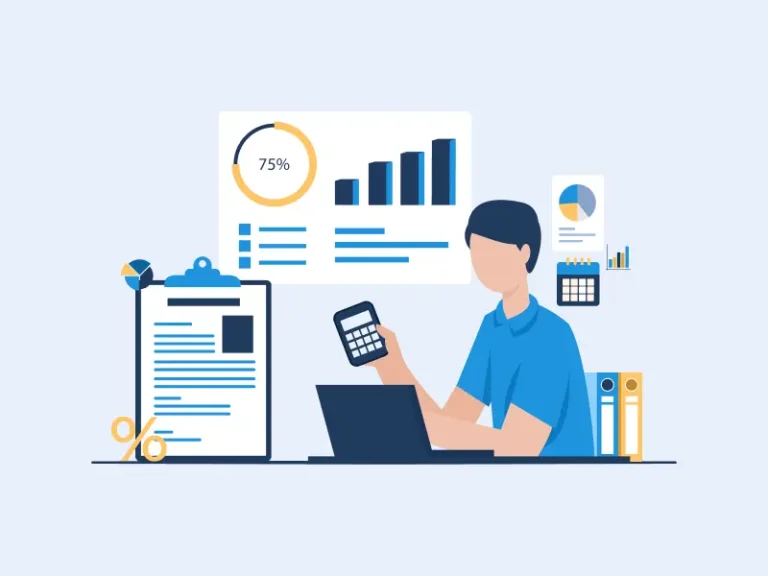
In today’s digital era, small business bookkeeping online has become an essential practice for entrepreneurs seeking efficient, accurate, and real-time financial management. Unlike traditional bookkeeping methods, online bookkeeping offers unprecedented convenience, flexibility, and accessibility, allowing business owners to track their financial health from anywhere at any time. This transformation in bookkeeping methodologies supports small businesses in improving cash flow management, reducing errors, and ensuring compliance with tax regulations.
Small business owners who adopt online bookkeeping tools benefit from automation that streamlines data entry, bank reconciliations, and expense tracking. This article will explore in-depth the benefits, best practices, tools, challenges, and strategies for maximizing the advantages offered by small business bookkeeping online.
Benefits of Small Business Bookkeeping Online
Transitioning to online bookkeeping from traditional manual processes or Excel spreadsheets provides many advantages. These benefits address critical pain points for small businesses while supporting better financial decision-making.
Real-Time Access to Financial Data
One of the most compelling benefits of small business bookkeeping online is the ability to access up-to-date financial information in real-time. Cloud-based bookkeeping platforms sync continuously with bank accounts, credit cards, and payment gateways, providing instant visibility into cash flow, expenses, and revenues.
Enhanced Accuracy and Reduced Errors
Manual bookkeeping is prone to human error. Online bookkeeping software automates many labor-intensive tasks such as data entry, expense categorization, and bank reconciliations, significantly reducing the chance of mistakes that could lead to inaccurate financial reports or compliance issues.
Cost-Effectiveness and Time Savings
By automating routine bookkeeping tasks, business owners and their teams can save valuable time that can be redirected towards core business activities. Additionally, online bookkeeping eliminates the need for physical storage of paper receipts and ledger books, reducing operational costs.
Improved Collaboration with Accountants and Bookkeepers
Cloud-based bookkeeping allows multiple users to access and work on financial data simultaneously. This improves collaboration between business owners and their accountants or bookkeepers, making it easier to prepare financial statements, file taxes, and conduct audits.
Better Financial Reporting and Insights
Most online bookkeeping systems come equipped with customizable dashboards, automated reports, and analytics that provide critical insights into business performance trends. These insights empower small business owners to make informed financial decisions, optimize spending, and plan for future growth.
Security and Data Backup
Reputable online bookkeeping platforms use encrypted connections and multiple layers of security protocols to protect sensitive financial data. Additionally, cloud storage solutions ensure that data is regularly backed up, minimizing the risk of data loss due to hardware failures or disasters.
Popular Software Options for Small Business Bookkeeping Online
Choosing the right bookkeeping software is crucial for small businesses to fully leverage online bookkeeping benefits. Here are some popular cloud-based bookkeeping tools tailored for small businesses:
- QuickBooks Online: One of the most widely used accounting platforms with robust features for invoicing, expense tracking, inventory management, and payroll.
- FreshBooks: Designed for freelancers and small business owners, this tool excels in time tracking, client billing, and simple expense management.
- Xero: Known for its user-friendly interface and strong integration capabilities with other business apps.
- Wave Accounting: A free bookkeeping tool with essential features for small businesses, ideal for those with tight budgets.
- Zoho Books: Part of the Zoho suite of applications, providing strong automation along with inventory management and multi-currency support.
Each software offers tiered pricing plans and features tailored to different business needs, so selecting the best option depends on the business size, industry, and specific workflow requirements.
Best Practices for Implementing Small Business Bookkeeping Online
To maximize the efficiency and accuracy of online bookkeeping, small business owners should follow proven best practices that promote good financial hygiene and streamline bookkeeping workflows.
Regularly Reconcile Accounts
Reconciliation ensures that the financial records reflect actual transactions by comparing book entries with bank and credit card statements. Performing this task regularly helps identify discrepancies early and prevents accumulating errors.
Automate Expense Categorization
Many bookkeeping tools allow users to set rules that automatically categorize expenses based on vendor or transaction type. This reduces manual data entry and improves the consistency of financial reports.
Maintain Digital Records and Receipts
Upload all receipts, invoices, and other financial documents to the bookkeeping platform. Digital record-keeping saves space, enhances document organization, and makes it easier to retrieve information during audits or tax preparation.
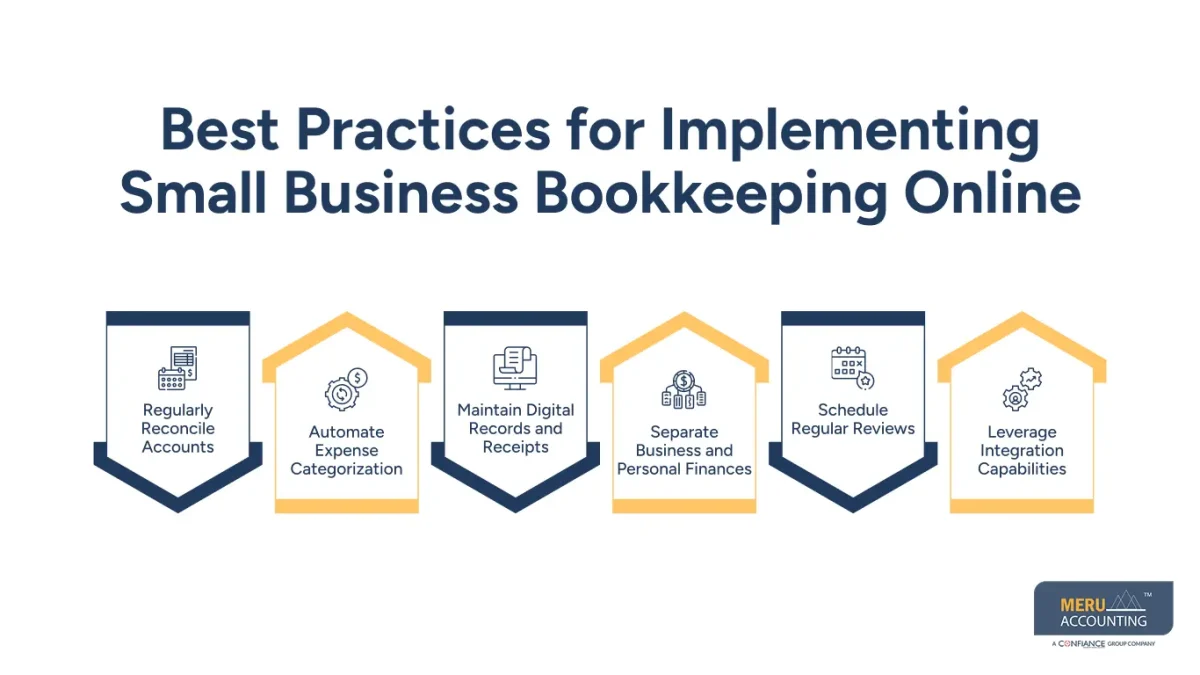
Separate Business and Personal Finances
Using dedicated bank accounts and credit cards for business expenses eliminates confusion and improves the accuracy of bookkeeping records. Mixing personal and business transactions can lead to compliance issues and complicate financial analysis.
Schedule Regular Reviews
Establish a routine for reviewing financial statements, budget performance, and tax obligations. Regular financial reviews allow proactive management of cash flow and help identify financial trends or potential issues early.
Leverage Integration Capabilities
Use bookkeeping platforms that integrate seamlessly with payroll systems, payment processors, and inventory management tools. Integration minimizes data duplication and provides a holistic overview of business finances.
Common Challenges and How to Overcome Them
While small business bookkeeping online offers numerous advantages, businesses often face challenges that require strategic solutions.
Data Security Concerns
Businesses must ensure that their bookkeeping platform uses robust security measures such as SSL encryption, two-factor authentication, and regular security audits. Additionally, educating employees on cybersecurity best practices reduces risks associated with phishing or unauthorized access.
Learning Curve and Change Management
Some business owners and staff may find it challenging to transition from manual processes to online bookkeeping systems. Providing adequate training and support can help smooth adoption and improve user confidence.
Inaccurate Data Entry
Although automation minimizes errors, manual entry errors can still occur. Establishing internal controls such as double-checking transactions, setting permission levels, and standardizing naming conventions helps maintain data accuracy.
Choosing the Wrong Software
Selecting software without evaluating business needs can lead to underutilized features or unnecessary complexity. Conduct a thorough needs analysis and take advantage of free trials to find the best fit.
Key Features to Look for in Online Bookkeeping Software
When evaluating bookkeeping software, small businesses should ensure the tool includes essential features that align with their operational requirements.
| Feature | Benefits |
|---|---|
| Cloud-Based Access | Enables financial management from any location and device |
| Automated Bank Feeds | Reduces manual data entry and accelerates reconciliation |
| Invoice and Payment Management | Facilitates timely billing and streamlines accounts receivable |
| Expense Tracking and Categorization | Improves budgeting and tax reporting accuracy |
| Financial Reporting and Analytics | Provides insights to support strategic decision-making |
| Integration with Other Apps | Enhances workflow efficiency by connecting payroll, CRM, and inventory |
| Multi-User Access and Permissions | Promotes collaboration while maintaining data security |
| Mobile App Availability | Allows bookkeeping tasks on-the-go for busy business owners |
| Data Backup and Recovery | Protects against data loss from accidental deletion or technical failures |
Tips for Maintaining Accurate Small Business Bookkeeping Online
- Stay Consistent: Update your bookkeeping records regularly to avoid backlog and inaccuracies.
- Keep Personal and Business Expenses Separate: Use dedicated accounts for business transactions exclusively.
- Reconcile Monthly: Match your bookkeeping data with bank statements at least once per month.
- Use Receipts and Documentation: Scan or photograph receipts and attach them to transactions within your bookkeeping software.
- Review Reports Regularly: Analyze key financial reports such as cash flow statements, profit & loss, and balance sheets.
- Utilize Alerts and Reminders: Set up software notifications for upcoming bills, tax deadlines, or anomalies in spending.
- Backup Data: Even with cloud backups, consider exporting and storing key reports periodically.
The Role of Meru Accounting in Small Business Bookkeeping Online
Meru Accounting specializes in providing tailored small business bookkeeping online services that streamline financial management for entrepreneurs across various industries. Leveraging advanced cloud accounting platforms and years of expertise, Meru Accounting offers personalized bookkeeping solutions, including regular reconciliations, financial reporting, tax preparation, and compliance assistance. Their commitment to accuracy, transparency, and timely communication helps small businesses maintain clean, organized financial records, empowering owners to focus on growth and operational success. With Meru Accounting, small businesses gain access to a trusted partner that understands the challenges of managing online bookkeeping and delivers practical, cost-effective solutions.
Conclusion: Maximizing the Potential of Small Business Bookkeeping Online
Small business bookkeeping online is no longer just an option but a necessity for entrepreneurs aiming to maintain financial clarity and competitiveness in a fast-evolving marketplace. The benefits of real-time access, automation, improved accuracy, and collaboration far outweigh the challenges associated with adoption. By choosing the right software, following best practices, and staying vigilant about data accuracy and security, small businesses can leverage online bookkeeping to drive better financial outcomes.
Investing time and resources in establishing a robust online bookkeeping system ultimately pays dividends through improved cash flow control, compliance readiness, and the ability to make informed strategic decisions. Partnering with experienced professionals such as Meru Accounting can further enhance the benefits by providing expert guidance and tailored support.
For small business owners who prioritize financial health, small business bookkeeping online is a transformative tool that enhances business agility, scalability, and long-term success.


