



In today’s global real estate market, managing properties well needs more than just renting spaces or taking payments. Property owners, investors, and managers must handle financial records, tenant matters, rules, and operating costs. This is where property accounting plays a key role. Knowing what is property accounting and how it works with offshore property management can help raise property performance, boost profits, and cut risks. It also helps owners stay aware of daily cash flow and long term gains. This makes it easier to plan future steps and avoid sudden loss.
Property accounting is not just bookkeeping it is a strong tool that helps property managers keep clear financial records, track costs, and make smart choices. With the growth of global property investments, using property accounting with offshore property management services has become key for investors who want to grow their portfolios across borders. It gives a clear view of how each property is doing at any time. This helps in quick action when any issue comes up. At this stage, knowing what is property accounting in depth can further improve how these issues are handled.
What You Will Learn From This Blog
This blog will take you through the main aspects of what is property accounting and how it helps property owners and managers. By the end of this blog, you will learn:
- What is property accounting and its role in real estate management
- The main tasks and steps in property accounting
- Why property accounting is needed for real estate businesses
- Common issues in property accounting
- How offshore property management can make operations and finance easier
By reading this, you will see how linking accounting with expert management can raise property profits and cut work for owners.
What Is Property Accounting?
At its core, property accounting is the process of keeping correct financial records for properties. It tracks income, costs, assets, and debts tied to real estate. Unlike normal business accounting, property accounting focuses on the unique financial parts of real estate, like rent collection, property upkeep, tenant deposits, and returns on investment. It also helps track small costs that may add up over time. This keeps the full cost picture clear for each property.
Understanding what is property accounting lets property owners and managers see their finances clearly at all times. By keeping records correct, property accounting helps with budgets, taxes, cash flow, and investment study. It also helps in setting clear goals for each property. This makes long term planning more stable and simple.
Adding offshore property management to property accounting lets owners run foreign properties with ease. Offshore managers handle tenant contact, repairs, and other tasks, while property accounting keeps track of money. This mix gives clear insight, lowers errors, and offers a full view of property work. It also saves time for owners who manage many units at once. This helps them focus on growth instead of daily tasks.
Key Functions of Property Accounting
Understanding what is property accounting must start with knowing tasks that help run real estate well. The key functions are:
Rent and Income Tracking
Property accounting records all rent, service fees, and other property income. This lets managers check cash flow and spot problems fast. It also helps track late pay and missed dues with ease. This keeps income flow steady and clear.
Expense Management
Keeping full records of repairs, utilities, taxes, and insurance helps managers control costs. Good expense tracking stops overspending and keeps profits strong. It also helps plan future costs with better care. This reduces the risk of sudden high spend.
Tenant Account Management
Tracking tenant payments, deposits, late fees, and leases is key to avoid disputes and keep good tenant ties. Correct property accounting keeps tenant accounts up to date. It also keeps all tenant data in one place for easy use. This makes follow up and checks faster and smooth.
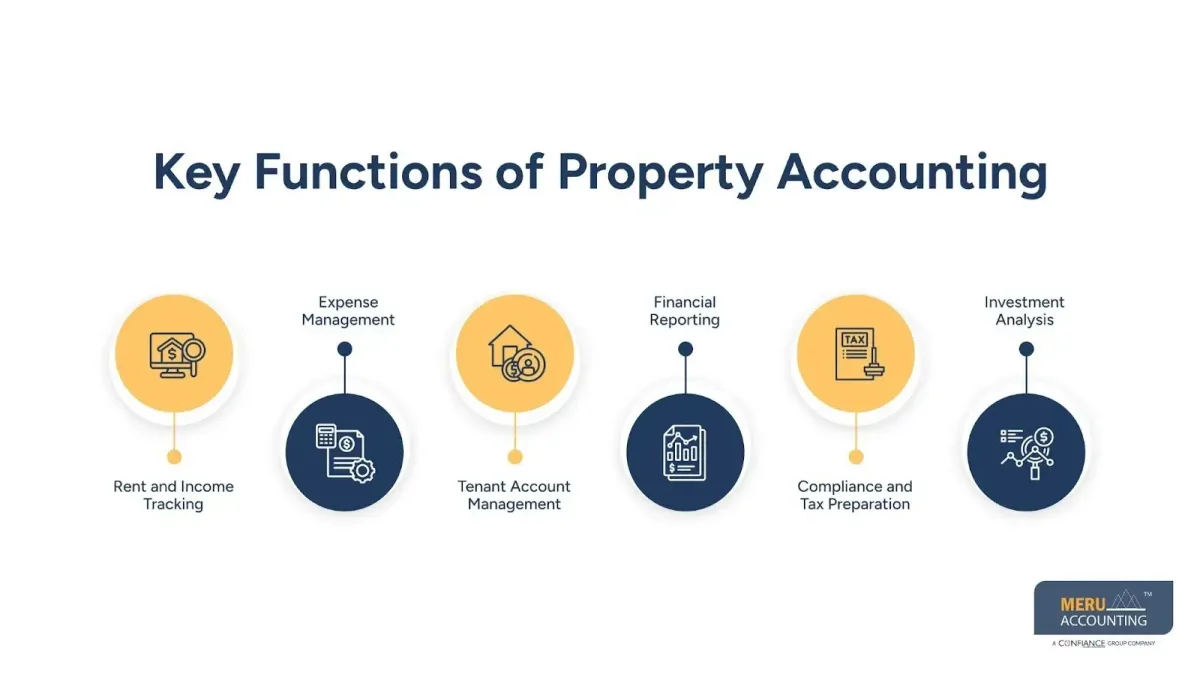
Financial Reporting
Monthly, quarterly, and yearly reports help owners see property performance. Reports include income statements, balance sheets, cash flow sheets, and budget comparisons. These reports help track growth over time with ease. They also help in clear talks with investors and partners.
Compliance and Tax Preparation
Property accounting makes sure local and foreign tax rules are followed. For offshore properties, this is more complex, and correct accounting is key for taxes and avoiding fines. It also helps keep all tax files ready on time. This avoids delay and keeps records clean.
Investment Analysis
By studying financial data, managers can see which properties earn money, check ROI, and make smart investment moves. It also helps compare old and new deals with ease. This supports better plans for future growth.
Using these tasks with offshore property management lets owners take a hands-off approach while keeping financial records right, clear, and rule-compliant. It also helps reduce stress linked to daily work. This gives more time to plan and expand. This also shows clearly what is property accounting and how it supports smooth and stable property control.
Why Property Accounting Is Important for Real Estate Businesses
Knowing what is property accounting is one thing, but seeing why it matters is another. Real estate businesses face high costs, tenant issues, and law rules. Here’s why property accounting is key:
Ensures Financial Accuracy
Correct accounting stops mistakes, fraud, and bad management. For owners with many properties or global investments, this accuracy is very key. It also keeps all records ready for checks when needed. This builds trust with all parties.
Facilitates Smart Decision-Making
Property accounting gives facts about cash flow, profits, and costs. Managers can decide on rent changes, repairs, or sales with confidence. It also helps test new ideas with real data. This lowers the chance of loss.
Supports Legal Compliance
Property laws and taxes differ by place. Property accounting ensures all duties are met, cutting risks of fines or legal issues. It also helps track rule changes with ease. This keeps the business safe from trouble.
Builds Investor Confidence
Investors trust properties with clear, correct records. Property accounting builds trust and ties with investors. It also shows strong control over funds and data. This attracts more future deals.
Simplifies Offshore Management
Linked with offshore property management, property accounting helps owners manage properties far away without losing financial control. It also makes it easy to check reports from any place. This keeps control strong at all times.
Common Challenges in Property Accounting
At this point, understanding what is property accounting becomes even more useful for long term success. Even though you know what is property accounting, dealing with it can be hard. Owners and managers face issues like:
Many Properties and Complex Portfolios
Managing many properties, each with costs and tenants, is hard without good accounting systems. It also needs clear tracking for each unit at all times. This can be tough without the right tools.
Different Rules and Laws
Different places have different tax rules and reporting needs, which makes property accounting harder for global investments. It also needs updates as laws may change often. This adds more work for owners.
Late or Wrong Data
Late recording or wrong entries can cause mistakes and hurt financial planning. It may also lead to wrong reports and bad choices. This can impact profit in the long run.
Software Integration
Some managers have trouble linking accounting with property management software, giving incomplete data. This also slows work and reduces data flow speed. It makes full tracking hard.
Offshore Investments
International properties need currency exchange, cross-border taxes, and law rules, which add to accounting work. It also needs care in rate change and tax filing. This makes the process more complex.
These issues show why working with experts in both property accounting and offshore property management is very useful. It also helps reduce errors and improve speed of work. This leads to better results over time. After learning what is property accounting and its challenges, the next step is to see how expert support can improve results.
How Meru Accounting Supports Offshore Property Management Services
Meru Accounting offers services for owners and investors who want to manage offshore portfolios with ease. Our services pair property accounting with full offshore property management, letting clients enjoy global investments without day-to-day stress. It also gives a single point for all finance and task needs. This makes control simple and clear.
Our services include:
Financial Tracking: We track income, costs, and cash flow for each property in real time. It also helps in quick review of all income and cost data. This keeps records fresh and ready.
Legal Compliance: Our team makes sure local and foreign rules are met. It also helps avoid risk from missed rules or late filing. This keeps work smooth.
Tenant and Lease Management: We handle rent, deposits, and leases carefully. It also keeps tenant data safe and well managed. This helps avoid disputes.
Maintenance and Vendor Help: Our offshore team manages repairs, schedules, and vendor payments fast. It also ensures all work is done on time and within cost. This keeps property value high.
Detailed Reports: Clients get reports, ROI analysis, and updates to guide choices. It also gives clear data for each step taken. This helps in better planning.
By linking property accounting with offshore property management, Meru Accounting helps owners boost returns, cut work, and stay in full control. It also supports steady growth with less effort. This makes it ideal for long term success.
Key Takeaways
- Understanding what is property accounting is essential to keep records right, track cash flow, and make smart choices.
- Pairing property accounting with offshore property management makes global property work easier.
- Main tasks include rent tracking, cost management, tenant accounts, reports, compliance, and investment checks.
- Real estate businesses gain accuracy, better decisions, law compliance, and stronger investor trust.
FAQs
Property accounting tracks finances for real estate, like rent, upkeep, taxes, and investments. Unlike normal accounting, it handles real estate matters like tenants and property costs.
It lets owners manage properties abroad remotely. Services cover tenants, repairs, vendors, and money, giving smooth work without being on site.
Yes. Good property accounting keeps all income, costs, and investments logged. This helps owners meet local and global tax rules and avoid fines.
Problems include many properties, different rules, late or wrong data, software issues, and global investments.
Meru Accounting combines property accounting with offshore management. We track money, ensure rules are met, handle tenants and repairs, and give reports so owners can focus on growth.


