



Introduction to Small Business Bookkeepers
Bookkeeping is a fundamental aspect of managing any small business. It involves the systematic recording, organizing, and analysis of financial transactions to ensure accurate financial reporting and compliance. Small business bookkeepers play a crucial role in maintaining the financial health of enterprises by delivering bookkeeping services that provide clarity, support decision-making, and underpin business growth.
In the contemporary business landscape, entrepreneurs and small business owners face multiple challenges, from regulatory compliance to managing cash flow and taxes. Because of this complexity, bookkeeping services for businesses have become indispensable tools to ensure efficiency, accuracy, and peace of mind. This article dives deep into the cost, benefits, and various services that small business bookkeepers offer, helping businesses understand how to leverage bookkeeping effectively.
The Role of Small Business Bookkeepers
Small business bookkeepers are responsible for managing the financial data that keeps a company running smoothly. Their duties often extend beyond simple record-keeping to encompass a variety of critical financial tasks. Understanding the scope of their role is essential for small business owners who may be considering outsourcing bookkeeping or hiring an in-house professional.
Core Responsibilities
- Recording financial transactions such as sales, purchases, receipts, and payments.
- Reconciling bank statements and verifying financial data integrity.
- Maintaining ledgers, journals, and accounting records sequentially and accurately.
- Generating and managing invoices and payment tracking.
- Preparing reports that summarize daily, weekly, monthly, and quarterly financial information.
- Assisting with payroll processing and tax filing requirements.
Advanced Roles in Bookkeeping
In addition to the basic functions, many small business bookkeepers offer expanded services such as budgeting, forecasting, and financial analysis that help businesses plan for the future. Depending on the size and nature of the business, bookkeepers can provide tailored insights that support strategic decision making.
Cost of Hiring Small Business Bookkeepers
Understanding the cost structure of bookkeeping services is critical for small businesses operating within fixed budgets. The cost can vary significantly based on factors such as the complexity of the business, the volume of transactions, and the services required.
Pricing Models for Bookkeeping Services
- Hourly Rate: Some bookkeepers charge an hourly fee based on the time spent managing the books. This is suitable for businesses with irregular or low volumes of transactions.
- Fixed Monthly Fee: Many bookkeeping services offer a flat monthly rate that covers standard bookkeeping tasks, ideal for predictable budgeting.
- Project-Based Fees: For specific projects such as clean-up of financial records, tax preparation, or installation of bookkeeping software, project-based fees are common.
- Hourly with Caps: Hybrid options where hourly fees apply but are capped at a maximum monthly amount.
Average Cost Estimates by Business Size
| Business Size | Monthly Bookkeeping Cost | Typical Services Included |
|---|---|---|
| Sole Proprietor / Freelancer | $100 – $300 | Basic transaction recording, bank reconciliation, invoice management |
| Small Business (5-20 employees) | $300 – $800 | Advanced bookkeeping, payroll assistance, monthly financial reporting |
| Medium Business (20-100 employees) | $800 – $2,000 | Comprehensive bookkeeping, budgeting, tax filing preparation, financial forecasting |
Benefits of Using Bookkeeping Services for Business
Outsourcing bookkeeping or hiring a dedicated bookkeeper presents numerous advantages that directly impact business operations and success. These benefits extend beyond just maintaining accurate books to enhancing overall financial management and providing strategic business insights.
Improved Accuracy and Compliance
Professional bookkeepers ensure that all financial data is recorded accurately and complies with regulatory requirements. This reduces the risk of errors, penalties, and audits, offering peace of mind to business owners.
Time and Cost Efficiency
Outsourcing bookkeeping services or delegating these tasks to a skilled professional frees up valuable time for business owners to focus on growth-oriented activities. Furthermore, it can be cost-effective compared to hiring full-time accounting staff.
Better Financial Decision-Making
Timely and accurate financial reports generated by bookkeepers enable owners and managers to make informed decisions based on real-time data. This includes assessing cash flow, identifying profitable segments, and preparing for tax obligations.
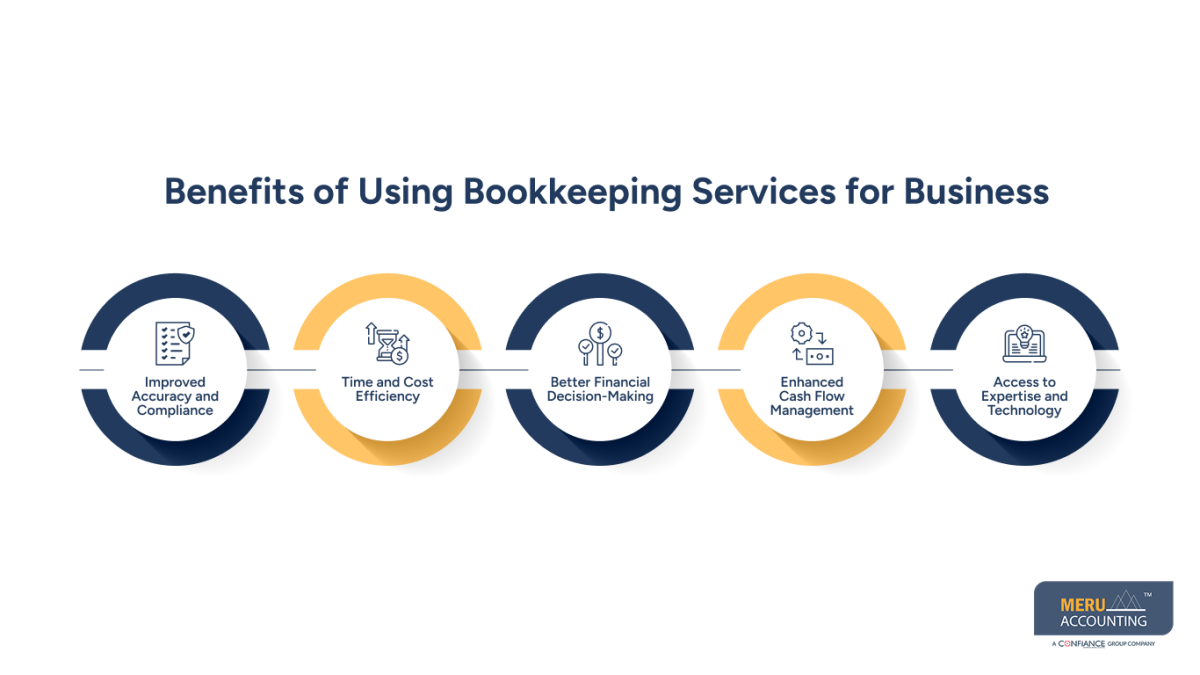
Enhanced Cash Flow Management
Bookkeepers help track payables and receivables effectively, ensuring that businesses maintain healthy cash flow – one of the most common reasons for small business failure.
Access to Expertise and Technology
Professional bookkeeping services often leverage advanced accounting software and maintain up-to-date knowledge of accounting best practices and regulations. This ensures optimal financial management and compliance.
Comprehensive Services Offered by Small Business Bookkeepers
Bookkeeping services for businesses cover a broad range of tasks beyond basic bookkeeping. Many service providers customize their offerings based on the client’s industry, size, and specific needs.
Transaction Recording and Categorization
Bookkeepers accurately record every financial transaction and categorize these according to an established chart of accounts, which is essential for clarity and reporting.
Bank and Credit Card Reconciliations
Reconciling statements to company books ensures that the financial records match actual cash movement, detecting discrepancies and fraud risks.
Payroll Processing
Many small business bookkeepers assist with the calculation of payroll, tax withholdings, employee benefits, and reporting requirements to government authorities.
Preparation of Financial Statements
Regular preparation and review of financial statements such as profit and loss accounts, balance sheets, and cash flow statements provide business owners with a clear picture of financial health.
Tax Preparation and Filing Support
Bookkeepers work closely with tax professionals or directly handle sales tax submissions, quarterly estimated tax calculations, and year-end documentation to simplify tax compliance.
Budgeting and Forecasting Services
Advanced bookkeepers offer budgeting support and cash flow forecasting, helping businesses plan their finances strategically and avoid cash shortfalls.
Accounts Payable and Receivable Management
- Tracking and managing payments due and invoices owed.
- Ensuring timely payments to vendors and collection from clients to maintain liquidity.
Choosing the Right Bookkeeping Service for Your Business
Not all bookkeeping services are created equal. Finding the right fit for your business depends on several critical factors that ensure the services align with your operational goals and financial requirements.
Evaluate Experience and Industry Knowledge
Choose bookkeepers with proven experience in your industry, as they will better understand your unique financial challenges and compliance requirements.
Understand Pricing and Service Levels
Review pricing models carefully to ensure transparency and ascertain what services are included. Avoid unexpected fees by confirming the scope of work.
Check Technology and Software Compatibility
Ensure that the bookkeeping service uses software compatible with your existing systems or offers integration capabilities for seamless financial management.
Verify Credentials and Reputation
Look for certified professionals with positive reviews or testimonials. Trusted bookkeeping services maintain confidentiality and demonstrate a track record of reliability.
Assess Communication and Support
Effective communication is essential. The service provider should be responsive, available for queries, and able to provide clear explanations of financial data.
Meru Accounting: Your Partner in Bookkeeping Services
Meru Accounting is a trusted provider of comprehensive bookkeeping services designed to meet the specific needs of small businesses. With deep industry expertise and a client-centric approach, Meru Accounting offers personalized solutions that streamline financial processes, improve accuracy, and enhance business decision-making. Their team employs cutting-edge technology and adheres to rigorous standards to ensure that all bookkeeping tasks—from daily transaction recording to payroll processing and tax preparation—are handled efficiently. Small business owners can rely on Meru Accounting for clarity, compliance, and expert financial management, making them an invaluable partner in business growth.
Conclusion
The importance of small business bookkeepers cannot be overstated. Their role in maintaining accurate financial records, facilitating compliance, and providing actionable insights ensures that businesses run smoothly and are positioned for sustainable growth. Understanding the costs involved, the benefits of outsourcing, and the breadth of services available helps small business owners make informed decisions about their bookkeeping needs.
Whether hiring an in-house bookkeeper or leveraging the expertise of professional bookkeeping services, investing in quality bookkeeping is a crucial step towards building a robust financial foundation for any business. As the marketplace becomes increasingly competitive and regulations more complex, partnering with a service provider like Meru Accounting can provide the support and expertise necessary to thrive.
FAQs
What are the typical costs associated with small business bookkeeping services?
The costs vary depending on the size and complexity of the business but generally range from $300 to $2,000 per month. Some bookkeepers charge hourly rates between $30 and $100.
What are the main benefits of hiring a professional bookkeeper for a small business?
Professional bookkeepers help ensure accurate financial records, save time, improve tax compliance, provide insights for better business decisions, and reduce the risk of errors or fraud.
What types of bookkeeping services do small business bookkeepers typically offer?
Services include recording financial transactions, reconciling bank statements, managing accounts payable and receivable, payroll processing, preparing financial reports, and tax preparation assistance.
How can bookkeeping services improve the financial management of a small business?
Bookkeeping services provide organized financial data, enabling better budgeting, cash flow management, timely tax filing, and a clearer understanding of business performance.
Is it necessary for a small business to hire a full-time bookkeeper or are part-time services sufficient?
Many small businesses benefit from part-time or outsourced bookkeeping services, which can be more cost-effective while still providing expert financial management tailored to the business’s needs.


