



Introduction to Virtual Bookkeeping Companies
In today’s fast-paced digital world, businesses are continuously seeking innovative ways to streamline operations, reduce overhead costs, and enhance financial management. One significant trend transforming financial operations is the rise of virtual bookkeeping companies. These service providers offer expert bookkeeping and accounting functions remotely, leveraging technology to deliver accurate, timely, and cost-effective financial services.
Virtual bookkeeping companies provide a variety of services that replace traditional in-house or local bookkeeping, making it easier for businesses—especially small to medium enterprises (SMEs)—to maintain healthy financial records without the hassle of hiring full-time staff or managing cumbersome processes. This article explores everything you need to know about virtual bookkeeping companies and the extensive benefits of virtual bookkeeper services.
Understanding Virtual Bookkeeper Services
Virtual bookkeeper services involve the delivery of bookkeeping tasks via cloud-based technology and remote communication tools. Instead of being physically present in an office, virtual bookkeepers work from a separate location and handle essential bookkeeping functions such as data entry, bank reconciliations, invoicing, payroll processing, expense tracking, and financial reporting.
These services typically use accounting software like QuickBooks Online, Xero, FreshBooks, or Sage, allowing both the client and the bookkeeper to access real-time data. Virtual bookkeeping companies often employ certified professionals who comply with regulatory requirements and industry best practices, offering accurate and compliant bookkeeping service tailored to specific business needs.
The Benefits of Virtual Bookkeeper Services
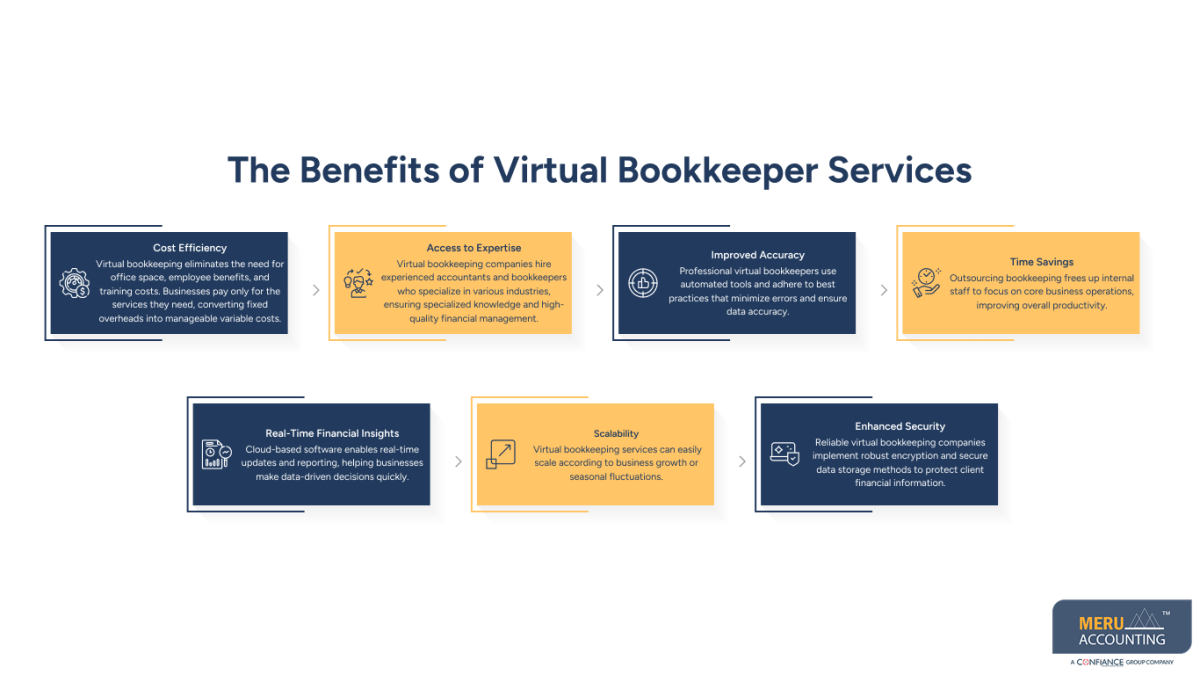
Choosing virtual bookkeeper services offers numerous benefits to businesses. Some of the most compelling advantages include cost savings, flexibility, access to expert knowledge, and enhanced data security. Below are some of the key benefits explained in detail:
- Cost Efficiency: Virtual bookkeeping eliminates the need for office space, employee benefits, and training costs. Businesses pay only for the services they need, converting fixed overheads into manageable variable costs.
- Access to Expertise: Virtual bookkeeping companies hire experienced accountants and bookkeepers who specialize in various industries, ensuring specialized knowledge and high-quality financial management.
- Improved Accuracy: Professional virtual bookkeepers use automated tools and adhere to best practices that minimize errors and ensure data accuracy.
- Time Savings: Outsourcing bookkeeping frees up internal staff to focus on core business operations, improving overall productivity.
- Real-Time Financial Insights: Cloud-based software enables real-time updates and reporting, helping businesses make data-driven decisions quickly.
- Scalability: Virtual bookkeeping services can easily scale according to business growth or seasonal fluctuations.
- Enhanced Security: Reliable virtual bookkeeping companies implement robust encryption and secure data storage methods to protect client financial information.
Core Services Offered by Virtual Bookkeeping Companies
Virtual bookkeeping companies offer diverse services tailored to meet the unique financial management needs of businesses. These services range from basic bookkeeping to comprehensive financial management solutions. Here are the core services typically provided by virtual bookkeeper services:
- Transaction Recording: Accurate recording of all financial transactions including sales, purchases, and payments.
- Bank Reconciliation: Matching bank statements with company records to ensure consistency and uncover discrepancies.
- Accounts Payable and Receivable Management: Monitoring incoming and outgoing invoices, ensuring timely payment and collection.
- Payroll Processing: Handling employee payment calculations, tax deductions, and compliance with labor laws.
- Financial Reporting: Generating profit & loss statements, balance sheets, cash flow reports, and other financial reports for business insights.
- Budgeting and Forecasting: Creating financial models that help companies plan for future growth and expenses.
- Tax Preparation Support: Assisting with data organization and preparation for tax filings.
- Compliance Monitoring: Ensuring adherence to regulatory requirements and accounting standards.
How to Choose the Right Virtual Bookkeeping Company
Selecting a reliable and effective virtual bookkeeping company is critical to maintaining financial integrity and achieving business goals. Here are some essential factors to consider when choosing a virtual bookkeeping partner:
- Experience and Qualifications: Verify the company’s track record, certifications, and expertise relevant to your industry.
- Technology and Tools: Confirm that they use updated and compatible accounting software supporting cloud integration.
- Security Practices: Investigate their data security protocols, including encryption, backups, and compliance with privacy laws.
- Transparency and Communication: Look for companies offering clear service agreements, accessible communication channels, and regular reporting.
- Scalability: Ensure they can accommodate your business growth with adaptable service packages.
- Customer Support: Check for responsive support teams and availability during critical times.
- Pricing Structure: Compare pricing models, focusing on value rather than just cost.
By carefully evaluating these factors, businesses can select a virtual bookkeeping company that aligns with their operational requirements and financial goals.
Technological Innovations Empowering Virtual Bookkeeper Services
The advancement of technology has been instrumental in revolutionizing bookkeeping services. Virtual bookkeeping companies leverage several technological innovations to deliver seamless, efficient, and accurate services.
Cloud Computing
Cloud-based accounting platforms allow remote access to financial data anytime and anywhere. This technology facilitates real-time collaboration between business owners and virtual bookkeepers, improving transparency and operational speed.
Automation and Artificial Intelligence
Automation tools reduce manual data entry by importing bank transactions directly, categorizing expenses, and generating invoices. AI enhances data analysis capabilities, detects anomalies, and forecasts financial trends.
Secure Data Storage and Cybersecurity
Virtual bookkeeping companies employ secure servers and encrypted data storage to prevent unauthorized access and data breaches. Backup solutions ensure business continuity in case of data loss.
Mobile Accessibility
Many accounting platforms offer mobile applications, enabling business owners to monitor their finances and communicate with bookkeepers on the go.
Cost Comparison: Virtual Bookkeeping vs. Traditional Bookkeeping
One of the key reasons businesses opt for virtual bookkeeper services is the potential for significant cost savings. The following table highlights major cost components comparing virtual and traditional in-house bookkeeping:
| Cost Component | Traditional In-House Bookkeeping | Virtual Bookkeeping Services |
|---|---|---|
| Salaries and Benefits | Full-time salary, health insurance, retirement benefits | Pay-as-you-go service fees, no employee benefits |
| Office Space | Dedicated workspace, utilities, office equipment | None required; remote services |
| Training and Development | Ongoing staff training expenses | Included as part of service |
| Software Licenses | Purchased or subscribed licenses for office use | Included or shared cloud-based software access |
| Overtime and Absence Coverage | Additional wages paid during peak times or absence | Flexible service scaling without extra cost |
| Accuracy and Compliance Risk | Higher potential risk due to overwork or limited expertise | Professional handling reduces errors and penalties |
Virtual bookkeeping clearly delivers financial efficiency by eliminating numerous fixed costs while offering flexibility and specialized expertise.
Meru Accounting: A Trusted Virtual Bookkeeping Partner
Meru Accounting is a leading virtual bookkeeping company dedicated to providing comprehensive and tailor-made virtual bookkeeper services. With a team of skilled professionals and a commitment to technological innovation, Meru Accounting helps businesses achieve accurate financial management, compliance, and strategic financial insights. Their personalized approach and responsive customer support make them a reliable partner for businesses aiming to streamline their bookkeeping processes while focusing on growth and operational excellence.
Future Trends in Virtual Bookkeeping
As technology evolves, virtual bookkeeping companies are poised to adopt even more sophisticated solutions, further enhancing the efficiency and value of virtual bookkeeper services. Some upcoming trends include:
- Increased Use of Artificial Intelligence: More automated data processing and predictive financial analytics.
- Blockchain Integration: Enhancing transparency and security in financial transactions and records.
- Expansion of Real-Time Reporting: Providing instant financial insights and actionable business intelligence.
- Greater Customization Through Data Analytics: Tailoring financial advice and reporting based on business-specific metrics.
- Remote Team Collaboration Tools: Enhanced communication platforms to improve synergy between clients and virtual bookkeeping firms.
Businesses choosing virtual bookkeeper services today can expect ongoing improvements that will further optimize financial management and cost control.
Conclusion
Virtual bookkeeping companies have revolutionized how businesses handle financial record-keeping and accounting. The benefits of virtual bookkeeper services—including cost savings, access to expert professionals, scalability, and technology-driven accuracy—make them an indispensable asset for modern businesses. Whether you are a small startup or an established mid-sized company, outsourcing bookkeeping to a trusted virtual provider such as Meru Accounting can lead to enhanced financial clarity and operational efficiency. Understanding the core offerings, selecting the right partner, and embracing emerging technology trends are key to gaining the full advantages of virtual bookkeeping in today’s competitive business landscape.
FAQs
What are virtual bookkeeper services?
Virtual bookkeeper services involve professional bookkeeping tasks performed remotely using digital tools and software, allowing businesses to manage their finances without needing an on-site bookkeeper.
How can virtual bookkeeping companies benefit my business?
Virtual bookkeeping companies offer cost-effective solutions, increased flexibility, real-time financial reporting, and access to expert bookkeeping without the overhead of hiring full-time staff.
Are virtual bookkeeper services secure for handling financial information?
Yes, reputable virtual bookkeeping companies use secure, encrypted platforms and follow strict data privacy protocols to ensure the confidentiality and security of your financial information.
Can virtual bookkeepers handle all types of bookkeeping tasks?
Yes, virtual bookkeepers can manage a wide range of tasks including accounts payable and receivable, bank reconciliations, payroll processing, financial reporting, and tax preparation support.
How do I choose the right virtual bookkeeping company for my needs?
Consider factors such as the company’s experience, reviews, pricing, the range of services offered, technology used, and their ability to understand and accommodate your specific business needs.


