




Accounting for real estate developers often begins long before any building work starts. During early planning, many choices affect future cash flow and cost control. Clear records and early planning often reduce stress during later stages.
Real estate accounting supports better control during the planning stage. It helps teams track early costs, vendor plans, and funding plans. With strong records, teams can review data with calm and clarity.
Many developers focus on land and design first. Yet money planning at this stage shapes the entire project path. This is where accounting for real estate developers plays a key role.
What You Will Learn From This Blog
- In this blog, you will explore how accounting for real estate developers supports early project planning.
- You will learn how real estate accounting helps manage costs and cash flow.
- You will also understand common risks and simple ways to reduce them.
- This blog explains clear steps using plain words and steady logic.
Understanding Accounting for Real Estate Developers in the Early Stages
Early Planning and Cost Tracking
- Accounting for real estate developers starts well before any site work begins. This stage covers plan costs, review fees, land checks, and permit fees.
- Clear records at this stage help cut confusion and reduce later loss. When numbers are tracked early, teams gain better control of each step.
Clear View of Cash Needs
- Real estate accounting helps show cash needs at an early stage. It tracks soft costs like legal work, design tasks, surveys, and advice fees.
- It also records early deposits and funding plans. These steps support better planning and lower the risk of missed costs.
Better Control Over Early Choices
- Many early choices shape the full project path. Without clear data, wrong steps may stay hidden for a long time.
- Accounting for real estate developers helps spot issues early. It allows teams to make changes before problems grow.
Support for Lenders and Investors
- Strong accounting systems help build trust with lenders and investors.
- Clean records show care, order, and sound money habits.
- They help share a clear project view during review or funding talks.
Better Team Communication
- Early accounting improves how teams share key details.
- Clear numbers help avoid mix-ups during planning talks.
- This shared view supports smooth teamwork across groups.
Faster Response to Change
- Strong early records allow quick action when plans shift.
- Teams can review data when costs rise or plans change.
- This early control helps keep the project on track.
The Importance of Early-Stage Accounting for Business Success
Building a Strong Financial Foundation
Early stage accounting helps set a clear base for the business. When records stay neat from the start, it is easier to track income and costs. A strong base reduces confusion and supports steady growth.
Maintaining Accurate Cash Flow Tracking
Cash flow matters most in the early stages. Proper accounting helps track money coming in and going out on time. This helps owners plan payments, control costs, and avoid cash gaps.
Supporting Better Business Decisions
Clear financial data helps owners make smart choices. Simple reports show what works and what needs to change. This helps with pricing, planning, and spending decisions.
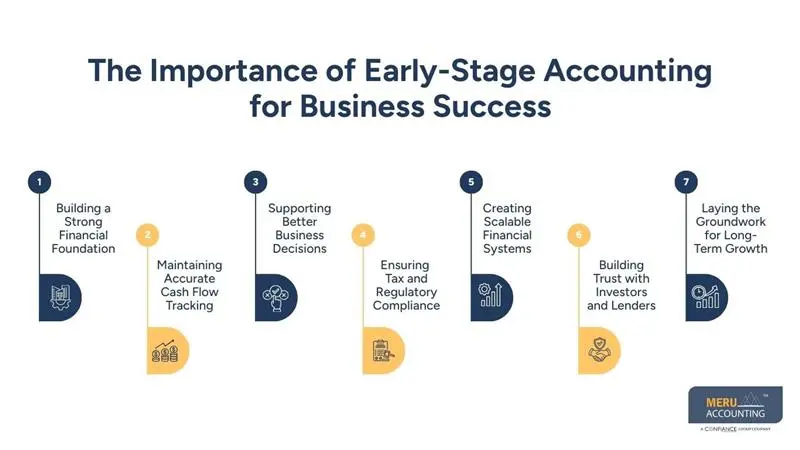
Ensuring Tax and Regulatory Compliance
Early accounting planning helps meet tax and legal rules with ease. Clean records make filing simple and reduce the risk of fines. This keeps the business safe and stress-free.
Creating Scalable Financial Systems
Well-set accounting systems grow with the business. When processes start early, they handle more work with ease. This saves time and avoids future system changes.
Building Trust with Investors and Lenders
Clear and correct records build trust with investors and lenders. They show that the business is well managed and stable. This trust helps secure funds and long-term support.
Laying the Groundwork for Long-Term Growth
Early-stage accounting supports steady business growth. It keeps finances clear and under control. With good planning, businesses can grow with confidence and stability.
Key Tasks During Pre-Construction Accounting
Accounting for real estate developers includes several early tasks.
Each task supports clarity and cost control.
Project Cost Planning
This includes land costs and early design fees. Real estate accounting tracks each cost with care. It helps teams stay aware of early spending.
Budget Setup
Budgets guide each project stage. Accounting for real estate developers sets clear limits early. This helps prevent overspending later.
Cash Flow Planning
Cash flow planning supports steady progress. Real estate accounting shows when funds are needed. It helps avoid delays from fund gaps.
Vendor and Consultant Tracking
Early vendors need clear payment records. Accounting for real estate developers keeps these records clean. This avoids confusion and disputes later.
Document Control
Every bill and contract needs safe storage. Real estate accounting systems support clear document tracking. This helps during audits and reviews.
Common Challenges and How to Manage Them
- Many teams face issues during early planning. Accounting for real estate developers helps manage these risks.
- One challenge is poor cost estimates. Early guesses may miss hidden expenses. Clear records help adjust plans in time.
- Another challenge is unclear fund tracking. Real estate accounting keeps funds easy to review. This avoids cash gaps and stress.
- Poor record storage also causes delays. Missing files slow down audits and funding checks. Strong systems reduce such issues.
- Lack of skilled support is another risk. Professional guidance helps keep work on track. This adds value at every stage.
How Accounting for Real Estate Developers Supports Growth
Strong Planning Builds a Stable Base
Growth depends on clear planning and steady review. Accounting for real estate developers builds a strong base for growth. It helps teams understand where money moves and why each cost matters.
Better Insight Through Financial Tracking
Real estate accounting supports data-based planning. It allows leaders to review past trends with clarity. These insights help guide better project and budget choices.
Support for Project Expansion
Clear records make project expansion easier to manage. They help teams prepare for new phases with confidence. Accurate data supports smarter timing and resource use.
Improved Funding and Investor Trust
Clean and simple records support funding discussions. Investors prefer clear reports that show control and planning. Strong accounting builds trust during funding reviews.
Long Term Stability and Growth
Good financial habits reduce risk over time. Early structure supports long-term success. This is why many teams rely on proper accounting systems.
Real Life Example from Project Planning
A mid-sized builder planned a housing project. Early planning lacked clear cost tracking.
Funds started to mix with personal accounts.
After shifting to structured accounting for real estate developers, things changed. Costs were logged daily with simple tools. Real estate accounting helped track each vendor payment.
The team gained clear views of cash flow. Funding talks became smooth and fast. The project stayed within planned limits.
This example shows the value of early structure. Clear data supports calm and confident decisions.
Key Services Provided by Meru Accounting to the Real Estate Developers
Comprehensive Accounting Support
Meru Accounting provides accounting services for real estate developers at every project stage. Our approach keeps processes clear, simple, and easy to track. Teams can plan, record, and review each cost with accuracy and care.
Early Budget Planning and Cost Control
Our services support early budget setup and cost tracking. We help track planned costs and compare with actual spend. This gives teams better control from the start of the project.
Cash Flow and Vendor Management
We assist in managing cash flow with clear tracking tools. Vendor payments and records are kept neat and accurate. This reduces delays and avoids payment confusion.
Clean and Clear Financial Reporting
We create simple and easy-to-read financial reports. These reports help with internal checks and external reviews. Clear formats help teams make smart decisions quickly.
Customized Support for Each Project
Our team adjusts systems to match each project’s needs. We work with clients to give tailored accounting support. This ensures smooth operations and clear financial control.
Reliable Financial Control and Stability
We focus on simple, accurate, and steady processes. Our support lowers stress and reduces financial uncertainty. Clients gain control and confidence in their finances for long term.
Key Takeaways
- Accounting for real estate developers sets clear plans from the start.
- Clear and correct records let teams track funds with ease.
- Real estate accounting builds trust and gives strong money control.
- Early action lowers the risks that may appear in projects.
- Strong accounting systems keep progress steady and projects on track.
FAQs
Early costs and cash flow are tracked for clear records. Budgets stay simple, and vendors get paid on time.
Overspending gets stopped, and funds stay easy to track. Clear records cut risk and grow investor trust fast.
Land, design, and permit costs get tracked with care. Simple tools show cash needs before money gets spent.
Wrong estimates and poor cash flow often bring stress. Strong accounting stops delays and fund gaps in projects.
Spending trends get tracked, and resources get used wisely. Accurate records guide smart choices for future project growth.


