


Income and expense tracking sits at the heart of commercial real estate accounting. Many firms manage many units, tenants, and cost lines each month. Each entry matters. When records stay clean, owners feel more control and less stress. Clear tracking helps teams stay aware of cash flow and daily costs. It also helps reduce confusion during reviews and planning meetings.
In many cases, teams face stress due to unclear numbers. Bills arrive late. Rent data feels mixed. Reports take time. With strong commercial property accounting, teams gain clarity. They see trends early and avoid sudden losses. Clear records help teams act with confidence and plan with care.
Many teams also struggle when data sits in many places. Files, emails, and tools often fail to match. This creates gaps and slows work. With better income and expense tracking, teams bring all data into one view. This makes daily tasks easier and helps reduce repeated errors.
What You Will Learn From This Blog
- How income and expense tracking work in commercial real estate accounting.
- The role of clear records in better planning and control.
- How proper tracking helps cut risk and limit errors.
- How steady cash flow supports smooth daily work.
- The value of clean and clear data in commercial property accounting.
- How well-kept records support better money choices.
- The value of simple tracking steps for long-term use.
- How clear reports help improve property results.
The Role of Commercial Real Estate Accounting in Income and Cost Tracking
Income and expense tracking forms the base of commercial real estate accounting. It helps firms record rent, fees, repairs, and tax costs. These records help teams judge property health and plan steps ahead. When data stays clean, teams gain better control over daily financial tasks.
When income records stay clear, managers can track rent flow each month. When expense data stays clean, cost leaks appear fast. This balance keeps control strong and helps teams act with calm judgment. Clear records also support fair reporting and reduce confusion during reviews.
Strong tracking also improves trust among owners, managers, and partners. When numbers stay clear and updated, discussions become easier. Teams can focus on planning instead of fixing errors.
Role of Income Tracking in Commercial Property Accounting
Income tracking shows how money enters each property. Rent, service fees, and other income lines stay listed in one place. This process helps teams avoid missed rent or wrong billing. It also helps track timing issues that affect monthly cash flow.
In commercial property accounting, income data helps compare sites. Managers can see which units perform well and which need support. With steady tracking, income gaps show early signs and allow quick action.
Income tracking also helps with planning. When future rent looks stable, teams can plan repairs or upgrades with more ease. Clear income trends support better leasing decisions and long-term planning.
Clear income records also support trust during audits and reviews. When numbers are easy to follow, reports feel more reliable and less stressful to explain.
Role of Expense Tracking in Commercial Real Estate Accounting
Expense tracking shows where money flows out. This includes repair costs, tax bills, service fees, and staff pay. When expenses grow without notice, profits shrink fast. Tracking helps teams stay alert and respond early.
With proper commercial real estate accounting, each cost gets logged in clear detail. This helps teams find waste and reduce risk. Over time, clean data builds trust in reports and supports smarter decisions.
Expense tracking also supports budget planning. Teams see trends and can plan better for future needs. It becomes easier to set limits and avoid sudden cost spikes.
Strong expense tracking also improves vendor control. Teams can review past costs, compare service value, and negotiate better terms when needed.
Key Parts of Income and Expense Tracking
Rent and Lease Income Records
Rent forms the base of most income. Each lease must link to clear rent data. Late payments should stand out fast. This helps teams act before losses grow.
Operating Cost Records
Costs include cleaning, power, water, and small repairs. Tracking these helps spot waste and cut extra spend. In commercial real estate accounting, even small costs matter.
Maintenance and Repair Logs
Repairs can grow fast if ignored. A clear log shows what work was done and why. This helps plan future care and avoid repeat issues.
Tax and Fee Tracking
Taxes and local fees often change. Clean records help teams avoid missed dates or fines. Good tracking keeps cash flow smooth.
How Income and Expense Tracking Supports Smart Planning
Strong planning depends on clear and steady data. In commercial property accounting, income and expense tracking acts as the base for every smart move. When records stay clean, teams can plan with less risk and more confidence.
Clear Data Supports Better Planning Decisions
- Accurate tracking gives teams a clear view of financial health. When numbers stay updated, planning becomes easier and faster.
- Teams can see patterns without confusion or delay. This clarity helps leaders decide next steps with calm focus.
- Clean records also reduce guesswork. When data stays simple, decisions feel more stable and informed. This supports long-term planning across all property units.
Early Detection of Weak Areas
- Tracking helps spot weak areas before they grow into problems. Rising costs or slow income appear early in reports. This gives teams time to act without pressure.
- In commercial property accounting, early signals matter a lot. They help managers adjust plans before losses grow. Small changes at the right time protect long-term value.
Better Cost Planning and Budget Control
- When expense data is clear, commercial real estate accounting planning becomes more precise.
- Teams can review past costs and plan future spending wisely. This reduces waste and supports better use of funds.
- Clear cost tracking also helps set realistic budgets. It keeps spending aligned with real income levels. This balance supports steady and controlled growth.
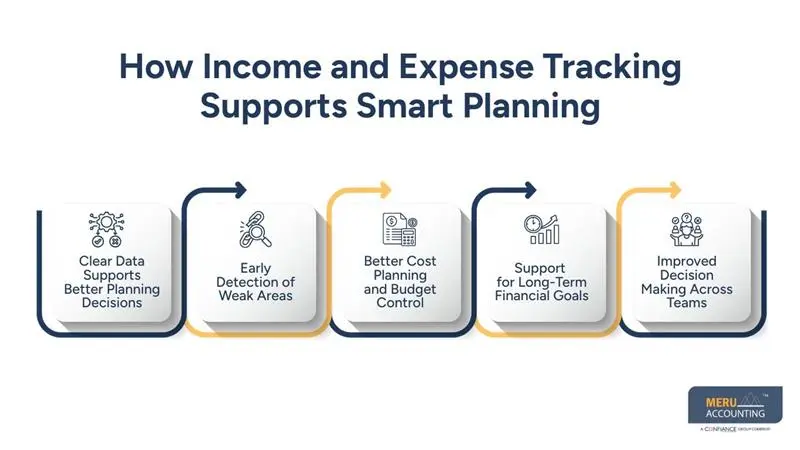
Support for Long-Term Financial Goals
- Tracking helps compare past and present results with ease. Teams can measure growth over time without confusion. This makes goal-setting more practical and data-based.
- In commercial property accounting, long-term planning depends on a clean history.
Clear data builds confidence in future plans and investments.
Improved Decision Making Across Teams
- When data stays simple and clear, teams work better together. Everyone works with the same numbers and views. This reduces errors and avoids mixed decisions.
- Strong tracking builds trust across departments. It supports calm planning even during change or growth.
Common Challenges in Income and Expense Tracking
Data Gaps and Missing Records
Missing data can hurt reports. Many teams face this issue due to manual work. Regular checks can reduce this risk.
Delayed Updates
Late updates in commercial real estate accounting can distort cash flow views. Teams should update data often to stay accurate.
Mixed Data Sources
Using many tools can cause errors. A single system helps keep data clean and easy to read.
Lack of Review Process
Without review, errors stay hidden. Regular checks help catch issues early.
How to Overcome Tracking Challenges
Set Clear Data Entry Rules
Define simple rules for entering income and expense data. Clear rules reduce confusion and limit entry errors.
Use Simple and Reliable Tools
Choose tools that are easy to use and easy to understand. Simple systems help teams work faster and stay accurate.
Schedule Regular Data Reviews
Review records weekly or monthly to catch mistakes early. Regular checks help maintain clean and reliable data.
Train Staff on Proper Recording Methods
Proper training ensures staff follow best practices in commercial real estate accounting. This improves accuracy and builds long-term consistency.
Maintain Standard Formats for Records
Using the same format across all entries makes reports easier to read. It also supports better tracking and review.
Encourage Accountability Across Teams
Assign clear responsibility for data entry and review. This builds ownership and supports strong commercial real estate accounting.
Real Life Example of Income and Expense Tracking
A mid-sized property group managed ten office sites. They faced late reports and unclear costs. After improving tracking, they saw quick gains.
They used clear records for each site. Costs dropped as waste was found early. Income reports became clear. With better commercial property accounting, planning became easier.
This change helped the group grow with more trust and less risk.
Commercial Real Estate Accounting Services by Meru Accounting
Meru Accounting provides accounting and bookkeeping services for property firms. Our work supports commercial real estate accounting, tracking income, costs, and reports. We focus on simple steps that fit daily work needs.
Income Tracking Support
We record rent and other income on time. Each income source remains clear and easy to check. This helps avoid gaps and missed cash flow.
Cost Control and Expense Tracking
We track repair tax and service costs with care. Our team helps find extra spending and reduce waste. Clear records support better cost control each day.
Clear and Simple Reports
We prepare clear reports for daily review needs. These reports show income, cost, and balance data. They help teams make calm business choices daily.
Simple Systems for Daily Work
We use tools that fit the normal workflow. Our process saves time and lowers work stress. Teams focus more on work and less on data.
Support for Commercial Property Accounting
We handle all commercial property accounting needs with care. Our team reviews data with focus and full detail. We help clients see clear numbers for smart choices.
Key Takeaways
- Income tracking helps control cash flow and plan better
- Expense tracking shows waste and helps reduce costs
- Clear records support strong commercial real estate accounting
- Good systems improve trust and reduce stress
- Simple steps lead to long-term control
FAQs
Income tracking helps track rent on time and spot gaps early. It also helps keep cash flow steady and clear.
Expense tracking shows where money is spent each month. It helps cut waste and plan costs better.
Simple tools help track rent, costs, and basic reports. These tools save time and reduce manual work.
Records should be checked each month for accuracy. Regular checks help find errors early.
Yes, small owners can manage it with basic tools. Simple systems help keep work clear and easy.


