


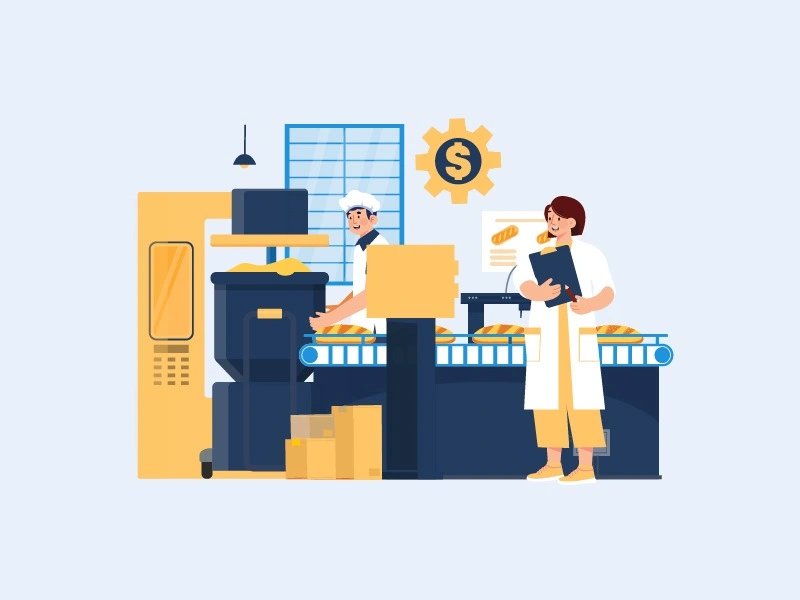
Cost accounting for food manufacturing is not just about tracking numbers. It is about understanding how ingredients, labor, machinery, storage, and waste all come together to shape the true cost of food products. In an industry where margins are often tight and compliance rules are strict, accuracy matters every single day.
Food manufacturers deal with constant changes in raw material prices, production losses, and quality standards. This is why cost accounting for food manufacturing needs the steady hand of an experienced cost accountant who understands both numbers and food operations.
What You Will Learn From This Blog
- The unique cost challenges in food manufacturing and how they impact profitability.
- How experience improves accuracy in cost accounting for food manufacturing and reduces errors.
- The key duties of a cost accountant in a food manufacturing setup.
- How accurate cost control supports better profit planning and long-term business stability.
- The importance of choosing the right accounting support to protect margins and maintain financial control.
- Ways to track waste, spoilage, and production losses for better cost management.
- How cost accounting insights help make informed pricing and production decisions.
Introduction To Cost Accounting For Food Manufacturing
Cost accounting for food manufacturing is the process of identifying, recording, and analyzing costs at every stage of food production. It tracks expenses from raw material purchase to processing, packaging, and finished goods.
This detailed approach helps food manufacturers clearly understand how much each product truly costs to produce. Accurate cost records are essential because they show exactly where money is being spent and where losses may occur.
In food manufacturing, small errors caused by waste, spoilage, or overuse of ingredients can quickly reduce profits. Proper cost accounting for food manufacturing helps businesses control these issues before they grow.
Unlike general accounting, which focuses on overall financial results, cost accounting for food manufacturing examines the internal production process. It breaks down costs by product, batch, or process, giving managers useful insights that support better pricing decisions and cost control.
Reliable cost data also supports pricing, compliance, and reporting needs. Food businesses must follow strict safety and tax rules, and accurate cost information ensures records are complete, consistent, and ready for review. This makes cost accounting for food manufacturing a key part of running a stable and well-managed food business.
The Critical Role Of An Experienced Cost Accountant In Food Manufacturing
Handling Ingredient Price Changes
A skilled cost accountant knows how to adjust costing when ingredient prices change often. This ensures product pricing remains accurate even with fluctuating market rates.
Managing Waste And Spoilage
Food waste affects profits, and an experienced cost accountant tracks it correctly. Monitoring spoilage also helps identify areas where production efficiency can be improved.
Understanding Batch Production
Food is often produced in batches, which needs careful cost allocation. Proper batch costing ensures each product reflects its true production cost.
Supporting Quality Control Costs
Quality checks add cost, and a cost bookkeeper ensures they are properly recorded. This helps balance product quality with profitability.
Maintaining Cost Consistency
Consistency in cost accounting for food manufacturing builds trust in financial reports. Regular checks and updates prevent discrepancies and maintain reliable data for decision-making.
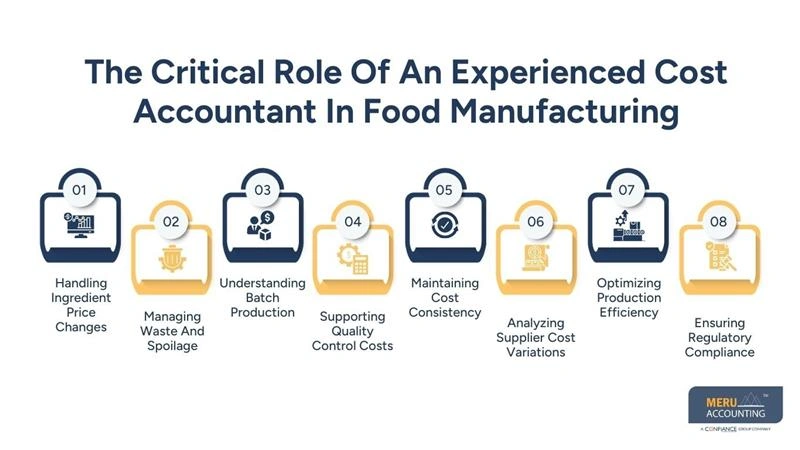
Analyzing Supplier Cost Variations
An experienced cost accountant reviews supplier pricing trends to negotiate better rates. This reduces raw material expenses without compromising quality.
Optimizing Production Efficiency
By examining production workflows and costs, a financial cost analyst identifies inefficiencies. Implementing improvements lowers overall production costs and boosts margins.
Ensuring Regulatory Compliance
Cost analysts track costs associated with safety, hygiene, and legal standards. This ensures the food manufacturing process meets all regulatory requirements and avoids penalties.
Key Responsibilities Of A Cost Accountant In Food Manufacturing
Tracking Raw Material Costs
A cost accountant monitors ingredient usage and purchase costs closely. This ensures raw materials are used efficiently and helps prevent overspending.
Monitoring Labor Expenses
Labor costs vary by shift and production volume, requiring close attention. Using cost accounting for food manufacturing, proper tracking also helps identify opportunities for improving workforce efficiency
Allocating Overhead Costs
Utilities, maintenance, and storage costs must be spread fairly across products. Accurate allocation ensures each product reflects its true production cost.
Measuring Production Losses
Losses from spoilage or rework must be recorded accurately. Tracking these losses helps reduce waste and improve overall profitability.
Preparing Cost Reports
Clear cost reports help managers make informed decisions. Regular reporting also provides transparency and supports better financial planning.
Techniques Used In Cost Accounting For Food Manufacturing
Standard Costing Methods
Standard costing sets expected costs and compares them with actual results. This helps identify deviations and take corrective actions quickly.
Process Costing Systems
Process costing works well for continuous food production lines. It is widely used in cost accounting for food manufacturing to ensure costs are evenly distributed.
Job Costing For Custom Batches
Some food orders need job-based costing for accuracy. This method tracks costs for specific batches or special orders, providing precise product cost information.
Variance Analysis
Variance analysis highlights where actual costs differ from planned costs. Identifying variances helps managers control expenses and improve efficiency.
Inventory Valuation Methods
Correct valuation ensures raw and finished goods are priced accurately. Proper inventory valuation also helps in financial reporting and maintaining profitability.
How An Experienced Cost Accountant Optimizes Profitability
Identifying Hidden Cost Leaks
An experienced cost accountant identifies small losses that gradually reduce overall profitability. Early detection of these leaks prevents unnecessary spending and protects business margins.
Improving Cost Control Systems
Implementing better cost control systems ensures efficient use of all resources. Consistent monitoring of processes also reduces errors and improves operational efficiency.
Supporting Better Pricing
Accurate cost accounting, a fundamental part of cost accounting for food manufacturing, helps set prices that reflect true production costs reliably.
Enhancing Budget Planning
Reliable cost data allows businesses to create realistic and effective budgets. Well-planned budgets help allocate resources wisely and avoid financial shortfalls.
Strengthening Financial Stability
Strong cost control maintains financial stability during sudden market and industry changes. It also helps the business adapt quickly to unexpected cost fluctuations.
Why Food Manufacturing Costs Are Harder To Track Than Other Industries
Short Shelf Life Of Products
Spoilage risks make cost tracking more complex and affect product profitability. Frequent checks are needed to reduce losses from expired or damaged goods.
Variable Yield Ratios
Raw materials do not always produce consistent output for every batch. Adjusting for yield variations ensures accurate cost allocation and proper pricing.
Strict Safety And Quality Rules
Compliance costs must be tracked carefully to meet regulatory requirements. Failing to account for these costs can lead to fines or penalties.
Energy And Storage Costs
Cold storage and energy use significantly increase overall production expenses. Monitoring these costs helps control overhead and maintain profit margins.
Seasonal Supply Changes
Seasonal ingredients affect cost accounting for food manufacturing accuracy. Planning for seasonal fluctuations prevents unexpected cost spikes and shortages.
How Cost Accounting For Food Manufacturing Impacts Everyday Business Decisions
Production Planning Decisions
Managers rely on accurate cost data to plan daily production efficiently. Proper planning ensures resources are used optimally and reduces unnecessary waste.
Supplier Selection
Cost comparisons help businesses choose reliable and cost-effective suppliers. Selecting the right suppliers reduces material costs and maintains product quality.
Staffing And Shift Planning
Labor cost data, analyzed through cost accounting for food manufacturing, supports better staffing and shift scheduling decisions.
Product Line Decisions
Accurate costing helps managers decide which products to continue or drop. This ensures resources focus on profitable lines while reducing low-margin items.
Long-Term Growth Planning
Clear cost trends support steady business growth and strategic decisions. Analyzing costs over time helps businesses forecast profits and manage expansion.
Why Choose Meru Accounting For Food Manufacturing Costing
Industry-Focused Expertise
Our team understands the unique and specific needs of food manufacturing businesses. We provide solutions tailored to manage costs efficiently and improve profitability.
Experienced Cost Accountant Support
Each client works with an experienced financial cost analyst skilled in food costing. This ensures accurate tracking of materials, labor, and overhead for every product.
Accurate And Clear Cost Reports
At Meru Accounting, we deliver cost reports that are easy to understand and apply effectively. Clear reporting helps managers make informed decisions and control business expenses.
Compliance-Friendly Processes
Our methods fully support food safety regulations and tax compliance requirements. Following proper procedures reduces risk and ensures smooth audits and inspections.
Scalable Accounting Solutions
Our cost accounting for food manufacturing adapts and grows with your business. Scalable solutions make it easier to handle higher production volumes and expansion.
Key Takeaways
- Experience in food costing is essential for handling production costs accurately and efficiently.
- Maintaining accurate cost data protects profit margins and prevents hidden financial losses.
- Reliable cost accounting supports daily business decisions and helps managers act confidently.
- Monitoring and controlling waste is critical to improving overall profitability and efficiency.
- Working with expert accountants adds long-term value and strengthens financial control for the business.
FAQs
Cost accounting for food manufacturing tracks all production costs, including materials, labor, and overhead. It helps businesses price products correctly and improve profitability.
A cost accountant monitors costs, production losses, and overhead allocation. They provide reports that help managers make informed decisions.
It tracks spoilage, defective batches, and production losses. This helps reduce unnecessary costs and improve efficiency.
Costs change due to raw material price fluctuations, seasonal supply, and energy use. A financial cost analyst keeps the costing accurate despite these changes.
Yes, small manufacturers can control costs better and improve pricing strategies. Professional cost accounting increases profit margins even for small businesses.


