



Managing rental properties comes with many responsibilities, and one of the most important is keeping your finances organized. Property bookkeeping is essential for landlords who want to manage income, track expenses, and make informed decisions for their rental business.
With proper strategies and the right tools, you can save time, reduce costs, and ensure accuracy in your accounting. In this blog, we will explore practical property bookkeeping strategies that help landlords save both time and money.
We will also look at how using the best real estate accounting software can make real estate bookkeeping easier and more effective.
What You Will Learn From This Blog
By the end of this article, you will understand:
- What property bookkeeping is and why it matters for landlords.
- How to save time and reduce costs with effective bookkeeping strategies.
- How the best real estate accounting software can simplify your work.
- Key tips for integrating property bookkeeping with your accounting system.
- Metrics landlords should track to maximize their rental profits.
What is Property Bookkeeping?
Property bookkeeping is the process of recording, organizing, and managing financial transactions related to rental properties. This includes tracking rent payments, maintenance expenses, property taxes, insurance, and other costs associated with owning and managing properties.
Effective real estate bookkeeping allows landlords to:
- Know exactly how much money they are making from their properties.
- Identify areas where they can save money.
- Prepare accurate tax returns.
- Avoid financial mistakes that could lead to losses.
Without proper property bookkeeping, landlords may face issues such as missed rent payments, incorrect tax filings, and unplanned expenses.
Why Accurate Property Bookkeeping Matters for Landlords
Accurate real estate bookkeeping is more than just recording numbers. It helps landlords:
Track Income and Expenses
Keeping detailed records of every transaction ensures you know exactly what your properties earn and spend. This helps in planning budgets and avoiding overspending.
Make Informed Decisions
When your financial data is accurate, you can make decisions based on facts. This could include raising rent, investing in property improvements, or selling underperforming units.
Avoid Tax Issues
Proper bookkeeping ensures all your property-related income and expenses are accounted for, which makes filing taxes easier and reduces the risk of audits.
Monitor Cash Flow
Knowing how money moves in and out of your rental properties helps you maintain positive cash flow and prevent financial stress.
In short, accurate property bookkeeping provides clarity and control, which every landlord needs to run a profitable rental business.
Time-Saving Property Bookkeeping Strategies
Time is money, especially for landlords managing multiple properties. Here are some strategies to save time while keeping your property bookkeeping accurate:
Organize Receipts and Documents
Keep digital copies of receipts, invoices, and payment confirmations. This makes it easier to track expenses and reduces the time spent searching for documents.
Automate Rent Collection
Encourage tenants to pay rent online. Automated rent payments reduce manual work and make it easier to track incoming funds.
Use Templates
Create bookkeeping templates for monthly income and expense tracking. Templates standardize your records and make data entry faster.
Batch Transactions
Instead of entering transactions daily, set aside specific times each week or month to update your books. This reduces distractions and improves efficiency.
Schedule Regular Reviews
Review your bookkeeping records weekly or monthly to catch errors early. Regular checks prevent time-consuming corrections later.
By implementing these strategies, landlords can save significant time while keeping accurate records for their properties.
Cost-Saving Property Bookkeeping Strategies
Property bookkeeping isn’t just about saving time—it can also help you save money. Here’s how:
Track Deductible Expenses
Keep detailed records of property-related expenses like repairs, utilities, and property management fees. These can be used to reduce taxable income.
Avoid Late Fees
Timely bookkeeping ensures bills, taxes, and loan payments are paid on time, avoiding penalties.
Identify Unnecessary Spending
Accurate bookkeeping reveals areas where you are overspending, such as expensive contractors or unused services.
Plan Maintenance Wisely
Monitoring repair and maintenance costs helps landlords prioritize and schedule work efficiently, reducing emergency expenses.
Use Accounting Software
The best real estate accounting software can automatically categorize expenses, generate reports, and identify cost-saving opportunities.
These strategies not only save money but also improve the overall profitability of your rental business.
How the Best Real Estate Accounting Software Helps
The best real estate accounting software is designed specifically for property management, making real estate bookkeeping simpler and more accurate. Here’s how it helps:
Automated Income and Expense Tracking
Software can automatically record payments and expenses, reducing manual entry errors.
Detailed Reports
Generate financial statements and cash flow reports quickly, giving a clear picture of your property’s financial health.
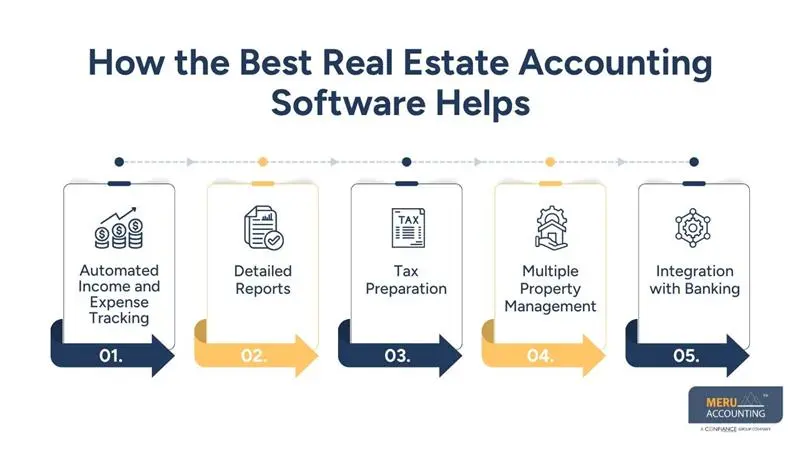
Tax Preparation
Many accounting software solutions prepare tax-ready reports, making filing faster and more accurate.
Multiple Property Management
Track finances for multiple properties in one place, reducing confusion and errors.
Integration with Banking
Link your bank accounts to automatically import transactions, saving time and ensuring accuracy.
By using the best real estate accounting software, landlords can focus more on growing their rental business rather than getting lost in paperwork.
Integrating Property Bookkeeping with Your Accounting Software
To get the most out of your accounting software, integration is key. Here’s how landlords can integrate property bookkeeping effectively:
Import Historical Data
Start by importing past transactions to have a complete financial record.
Set Up Categories
Create categories for rent, utilities, maintenance, taxes, and other expenses.
Link Bank Accounts
Connect your checking and savings accounts to automatically track transactions.
Regular Updates
Update your bookkeeping records regularly to ensure real-time accuracy.
Monitor Reports
Use the software’s reporting tools to monitor income, expenses, and profitability.
Integration reduces manual errors, saves time, and ensures you have a clear view of your financial position.
Tips for Landlords to Maximize Efficiency
Here are some practical tips to make your real estate bookkeeping more efficient:
Separate Personal and Business Finances
Use separate bank accounts for property income and expenses.
Set a Routine
Update your books at the same time each week or month.
Use Cloud-Based Software
Cloud accounting software allows you to access your records from anywhere.
Stay Consistent
Always categorize transactions correctly to avoid confusion later.
Seek Professional Help
Consider hiring experts like Meru Accounting to manage your property bookkeeping professionally.
Following these tips ensures your bookkeeping stays organized, accurate, and efficient.
Maximizing ROI with the Best Real Estate Accounting Software
Using the best real estate accounting software can directly impact your rental income and ROI. Here’s how:
Better Financial Insights
Analyze which properties are performing best and which are costing more than they earn.
Accurate Budgeting
Plan for maintenance, repairs, and taxes with accurate financial records.
Identify Profit Opportunities
Spot trends and opportunities to increase rental income or reduce expenses.
Reduce Human Errors
Software minimizes mistakes that could cost money in the long run.
Simplify Tax Filing
Tax-ready reports save time and prevent costly filing errors.
Landlords who use accounting software effectively can make data-driven decisions that improve profitability and ROI.
Key Metrics to Track Beyond Basic Income & Expenses
For better property bookkeeping, landlords should track metrics beyond just income and expenses:
Occupancy Rates
Understand how often properties are rented and identify periods of vacancy.
Maintenance Costs per Property
Track maintenance spending to spot high-cost properties.
Tenant Payment History
Monitor late payments and overdue rent to manage cash flow.
Net Operating Income (NOI)
Calculate property profitability by subtracting operating expenses from total income.
Return on Investment (ROI)
Measure the overall performance of each property to make informed decisions.
Tracking these metrics provides a complete picture of your rental business’s financial health.
Why Choose Meru Accounting for Property Bookkeeping
At Meru Accounting, we specialize in helping landlords manage their rental finances through professional property bookkeeping services. Here’s why landlords trust us:
Bookkeeping Expertise
Our team has years of experience in property bookkeeping and accounting.
Customized Solutions
We tailor our services to match your specific needs, whether you manage one property or a large portfolio.
Time and Cost Savings
Our strategies ensure your bookkeeping is accurate, saving you both time and money.
Reliable Reporting
Get detailed financial reports to monitor income, expenses, and ROI easily.
Meru Accounting makes real estate bookkeeping simple, accurate, and profitable for landlords.
Key Takeaways
- Property bookkeeping is essential for tracking income, expenses, and overall property performance.
- Accurate bookkeeping helps landlords make informed decisions, save money, and avoid tax issues.
- Time-saving strategies include organizing documents, automating payments, and using templates.
- Cost-saving strategies focus on tracking deductible expenses, avoiding late fees, and planning maintenance.
- The best real estate accounting software simplifies bookkeeping, reduces errors, and improves ROI.
- Integrating real estate bookkeeping with accounting software ensures real-time accuracy and better financial management.
- Hiring experts like Meru Accounting ensures professional management and maximum efficiency.
FAQs
Real estate bookkeeping is the process of recording and managing all financial transactions related to rental properties, such as rent payments, repairs, taxes, and utilities.
Accurate bookkeeping helps landlords track income, reduce costs, plan budgets, file taxes correctly, and make better financial decisions.
It automates transaction recording, generates financial reports, tracks expenses, and simplifies tax filing, saving time and reducing mistakes.
Yes, landlords can do it themselves, but using accounting software or professional services like Meru Accounting makes it faster and more accurate.
Track all expenses related to your property, including repairs, maintenance, utilities, insurance, property management fees, and taxes.


