The business tax deadline 2026 is an important date for business owners to track, as it determines when federal tax payments, annual returns, and payroll filings must be completed. Missing a business tax deadline can result in penalties, interest charges, and unexpected pressure on cash flow. A clear tax plan allows businesses to set aside funds in advance and meet their tax obligations without affecting their day-to-day expenses.
Quarterly tax planning also gives owners a better view of income, costs, and expected tax bills throughout the year. By checking financial records every three months, a business can adjust its cash plan when sales rise, costs change, or profits fall. Knowing the tax deadlines for business owners 2026 is therefore an important part of day-to-day money management.
What You Will Learn From This Blog
- Important federal business tax dates and quarterly payment periods for 2026.
- How quarterly tax planning can prevent cash shortages.
- Tax filing duties for sole proprietors, partnerships, S corporations, and C corporations.
- How to prepare for the upcoming business tax deadline 2026 through timely tax calculations, accurate records, and planned payments.
- Common tax planning errors that can affect business funds.
- How accounting services can keep tax records and payment plans in order.
Understanding Business Tax Deadlines 2026
Tax deadlines for business owners 2026 depend on the type of business, its tax year, and the taxes it must pay. Some businesses report income through the owner’s personal tax return, while others file a separate corporate return.
The business tax deadline 2026 schedule covers estimated income tax, annual returns, and employment tax duties. Owners must also check state and local tax rules, as sales tax, franchise tax, and other state payments may have separate due dates.
optional anymore
on running the business
Business Tax Deadline 2026: Important Federal Tax Dates and Quarterly Due Dates
The business tax deadline 2026 schedule varies by business structure, as estimated tax payments are not due at equal three-month gaps for every business type. Sole proprietors and many business owners who pay through personal returns follow the IRS estimated tax periods. C corporations follow a separate installment schedule.
Q1 2026 Estimated Tax Payment Deadline
For individuals who pay estimated tax, the first payment under the business tax deadline 2026 schedule is due April 15, 2026. It covers income earned from January 1 through March 31. Calendar-year C corporations also have an April 15 first installment date.
Q2 2026 Estimated Tax Payment Deadline
The second estimated payment for individuals is due June 15, 2026, and covers income from April 1 through May 31. C corporations also make their second installment by June 15. Businesses should review their income before setting the amount.
Q3 2026 Estimated Tax Payment Deadline
The third payment for individuals is due September 15, 2026, for the June 1 through August 31 period. C corporations also pay their third installment on this date. A fresh profit review can prevent an incorrect estimate.
Q4 2026 Estimated Tax Payment Deadline
The final individual estimated tax payment for 2026 is due January 15, 2027. It covers income earned from September 1 through December 31, 2026. Calendar-year C corporations generally have their fourth installment due December 15, 2026.
Annual Business Tax Return Filing Deadlines
Calendar-year partnerships and S corporations generally had to file their 2025 returns by March 16, 2026, because March 15 fell on a Sunday. Calendar-year C corporations generally had to file by April 15, 2026. Sole proprietors report business income on their personal returns, which were generally due April 15, 2026.
Payroll and Employment Tax Deposit Deadlines
Employers must track payroll tax deposits separately from income tax payments. Form 941 is generally due on the last day of the month after each quarter ends. For 2026, the main dates are April 30, July 31, November 2, 2026, and February 1, 2027. Actual deposit dates depend on the monthly or semiweekly deposit rule.
How Quarterly Tax Planning Helps Manage Business Cash Flow
Following tax deadlines for business owners 2026 gives companies a regular opportunity to review tax costs, prepare for upcoming payments, and avoid a large unexpected bill. It also links tax payments with sales, expenses, and cash needs. A well-planned business tax deadline 2026 schedule can reduce pressure on business funds.
Predicting Quarterly Tax Payments
A business can use its latest profit and loss statement to estimate taxable income and expected tax. For example, a firm with rising sales may need to raise its next estimated payment. Regular checks make the amount easier to plan.
Avoiding Last-Minute Cash Shortages
Setting aside money each month can prevent a large tax bill from affecting daily payments. A business that waits until the due date may have to delay supplier payments or use credit. A planned tax reserve reduces this risk.
Managing Operating Expenses and Tax Liabilities
Rent, wages, stock, software, and supplier bills must be paid along with taxes. Owners should compare these costs with expected tax payments before making large purchases. This gives them a clearer view of the cash left for daily work.
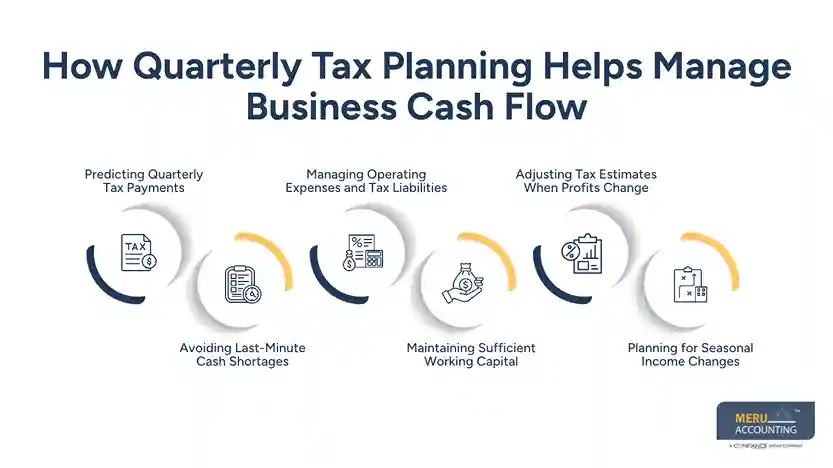
Maintaining Sufficient Working Capital
Working capital is the money available to meet short-term business needs. Tax planning keeps owners from using funds set aside for wages, stock, or other bills to pay an unexpected tax amount. A separate tax reserve can keep these funds apart.
Adjusting Tax Estimates When Profits Change
Sales and costs may not stay the same throughout the year. If a firm earns more than expected, it may need to raise its next payment. If profits fall, a revised estimate may be more suitable, subject to IRS rules.
Planning for Seasonal Income Changes
Some firms earn most of their income during certain months. Retailers, travel firms, and farm businesses may face large changes in sales during the year. By reviewing tax deadlines for business owners 2026 alongside seasonal income patterns, companies can plan estimated payments around periods of higher and lower earnings.
Tax Deadlines for Business Owners 2026: What Different Business Structures Should Know
The tax deadlines for business owners 2026 vary by legal and tax structure. Owners should confirm which return their business must file and whether estimated payments apply.
Sole Proprietorships and Single-Member LLCs
A sole proprietor generally reports business profit on Schedule C with Form 1040. A single-member LLC is usually treated in the same way for federal income tax unless it elects a different tax treatment. Owners may need estimated payments if they expect to owe at least $1,000.
Partnerships and Multi-Member LLCs
Partnerships generally file Form 1065 and issue Schedule K-1 to their partners. The business usually does not pay federal income tax on its ordinary profits. Partners may need to pay estimated tax on their share of income.
S Corporations
An S corporation generally files Form 1120-S and passes income or loss to its shareholders. Shareholders may need personal estimated payments on their share of business income. The company must also meet payroll tax duties when it pays wages.
C Corporations
A C corporation files Form 1120 and pays federal income tax on its taxable profit. It generally must make estimated tax payments if it expects to owe $500 or more when filing its return. Its payment dates differ from the individual estimated tax schedule.
How to Prepare for Each Business Tax Deadline in 2026
A clear process can make tax work easier to manage throughout the year. Use the following steps to prepare for each business tax deadline 2026.
Review Income and Expenses Each Quarter
Check sales, service income, payroll, rent, and other costs at the end of each quarter. Compare the results with the last quarter and the same period in the prior year. This gives owners a sound base for tax estimates around the tax deadlines for business owners 2026.
Calculate Estimated Tax Payments
Use current profit figures, prior tax returns, and the right tax rules to work out expected payments. Do not rely only on the previous year’s amount if income has changed. Ask a tax professional to review complex estimates.
Reconcile Financial Records
Match bank and credit card statements with entries in the books. Review unpaid bills, customer balances, payroll entries, and other open items. Correct records make tax calculations more reliable.
Set Aside Funds for Upcoming Tax Payments
Move the expected tax amount into a separate business bank account or reserve. A monthly transfer can make this task easier than saving a large amount just before the due date. Keep a record of each transfer and payment.
Common Business Tax Planning Mistakes That Affect Cash Flow
Poor planning around the tax deadlines for business owners 2026 can put pressure on business funds even when sales are strong. Some common errors include:
- Ignoring Estimated Tax Payments: Waiting until the annual return can lead to a large bill and possible underpayment penalties.
- Mixing Business and Personal Funds: This makes it harder to track costs, income, and tax-related payments.
- Using Old Profit Figures: Estimates based on outdated figures may not reflect current business income.
- Missing Payroll Deposit Dates: Late employment tax deposits can result in penalties even when the quarterly return is filed on time.
- Forgetting State Tax Duties: Federal dates do not cover every state sales, income, or franchise tax requirement.
- Treating an Extension as Extra Payment Time: An extension to file a return does not generally extend the time to pay the tax due.
How Professional Accounting Services Help Businesses Manage Tax Deadlines and Cash Flow
Professional accounting services give businesses a clear view of their books, tax duties, and cash needs. An accounting team can review income, record costs, reconcile bank activity, and prepare reports for each quarter.
A regular review also makes it easier to spot unpaid customer bills, rising costs, and changes in expected tax. Accountants can prepare payment estimates, track the tax deadlines for business owners 2026, and keep tax records ready for return preparation. Business owners should still review key figures and approve tax payments before they are made.
Our Expert Perspective
Quarterly tax planning should be part of the regular finance process, not a task saved for filing season. In our view, businesses should review their books, tax reserve, and cash forecast at the same time each quarter.
For example, a firm may report a rise in sales but also face higher payroll and stock costs. Looking only at sales can give an incorrect view of the cash available for tax. A review of profit, unpaid bills, and due payments gives a more useful picture.
Why Choose Meru Accounting for Business Tax Planning?
Meru Accounting provides accounting and bookkeeping services for businesses that need clear financial records and regular tax planning. Its team works with businesses on key finance tasks that keep quarterly reviews and annual filing in order.
- Quarterly Bookkeeping: Records sales, purchases, bills, and payments to keep books current.
- Bank Reconciliation: Matches bank activity with book entries and flags missing or incorrect items.
- Financial Reporting: Prepares income statements and balance sheets for regular business reviews.
- Payroll Accounting: Records wages, payroll taxes, and related costs for each pay period.
- Tax Record Preparation: Organizes income and expense details for tax return preparation.
- Cash Flow Review: Tracks expected receipts and payments to give owners a clearer view of available funds.
With regular accounting work, business owners can review their financial position before tax dates arrive and make sound choices about spending and cash reserves.
Key Takeaways
- The business tax deadline 2026 calendar includes estimated tax payments, annual returns, and payroll tax duties.
- Individual estimated tax payments for 2026 are due April 15, June 15, September 15, and January 15, 2027.
- Calendar-year C corporations follow a different estimated payment schedule, with the last 2026 installment due December 15.
- Business structure decides which tax return must be filed and who pays the tax.
- Quarterly reviews give owners a better view of income, costs, and expected tax bills.
- A separate tax reserve can prevent tax payments from affecting daily business costs.
- Professional accounting services can keep books, reports, and tax records in order.
FAQs
The 2026 estimated tax payment dates are April 15, June 15, September 15, 2026, and January 15, 2027, for most individual taxpayers.
Key federal dates include quarterly estimated payments, annual business tax returns, and payroll tax filings, based on the business structure.
Quarterly tax planning allows businesses to estimate tax bills, set aside funds, and avoid sudden cash shortages when payments are due.
Small business owners generally need estimated payments if they expect to owe at least $1,000 in federal tax after withholding and refundable credits.
Businesses can prepare by reviewing quarterly income and expenses, reconciling financial records, calculating tax payments, and setting aside funds before each due date.
optional anymore
on running the business