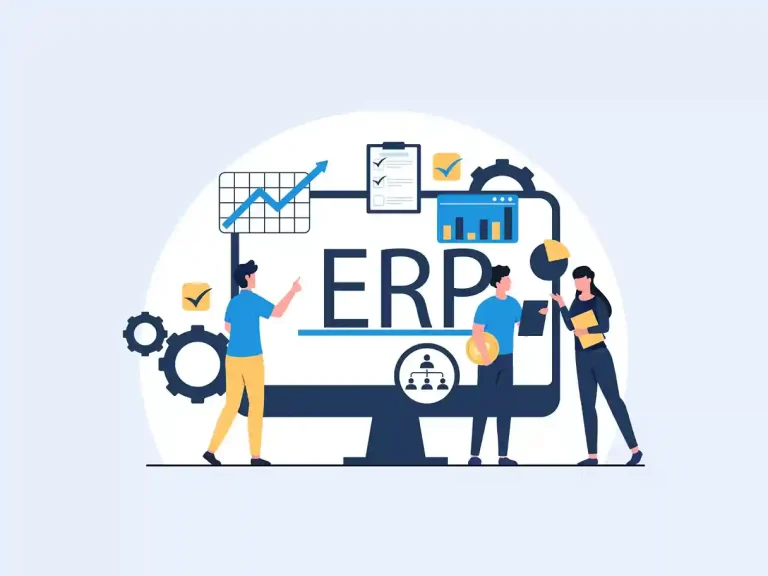
A small business needs tools that can grow with it. More sales, more bills, and more bank activity mean more work for the accounting team. A basic system may work at first, but it can become hard to use as the business grows. That is why many firms move to ERP accounting software. It helps keep all key work in one place and gives a clear view of the business.
Many firms also use cloud based accounting platforms with their ERP system. This gives staff safe access to data from any place with an internet link. It also helps teams work faster, share data with ease, and keep records up to date.
This blog shows why firms move from basic tools to ERP accounting software. It also explains how cloud based accounting platforms help meet the needs of a fast-growing business.
What You Will Learn From This Blog
In this blog, you will learn:
- Why do many firms outgrow basic accounting tools?
- The main limits of small accounting systems.
- How ERP accounting software helps with day-to-day work.
- Why cloud based accounting platforms help teams work with ease.
- When is the right time to move to an ERP system?
- How ERP helps a firm grow with less risk and more control.
Benefits of ERP Accounting Software
For many years, firms have used accounting tools to keep track of sales, bills, cash, and tax data. These tools help with day-to-day work and keep money records in good shape.
As a firm grows, the work also grows. More staff, more sales, more sites, and more data can make a basic tool hard to use. At this stage, ERP accounting software gives the firm a much better way to run its work.
Many ERP tools also work with cloud based accounting platforms. This helps staff see live data, work from more than one site, and keep key files safe.
Below are some of the main limits of basic accounting tools and why many firms move to ERP.
Limits of Basic Accounting Software
Setup May Take Time
When a firm moves from paper files or old tools to new software, the team needs time to learn the new way of working. This can slow down day-to-day tasks for a short time.
As the firm grows, it may need more than a basic tool can give. ERP accounting software brings more work into one system, so staff do not have to use many tools.
Data Must Be Backed Up Often
Many old tools keep data on one PC or one server. If the hard drive fails or a virus gets in, the firm may lose key data.
Many new ERP tools work with cloud based accounting platforms. Data is saved on the cloud, which helps keep it safe and cuts the risk of data loss.
You May Need Help from a Third Party
Some basic tools need a third party for fixes, new updates, or tech help. If help is slow, work may stop for some time.
With ERP accounting software, firms often get more steady help and more new tools over time. This helps keep work on track.
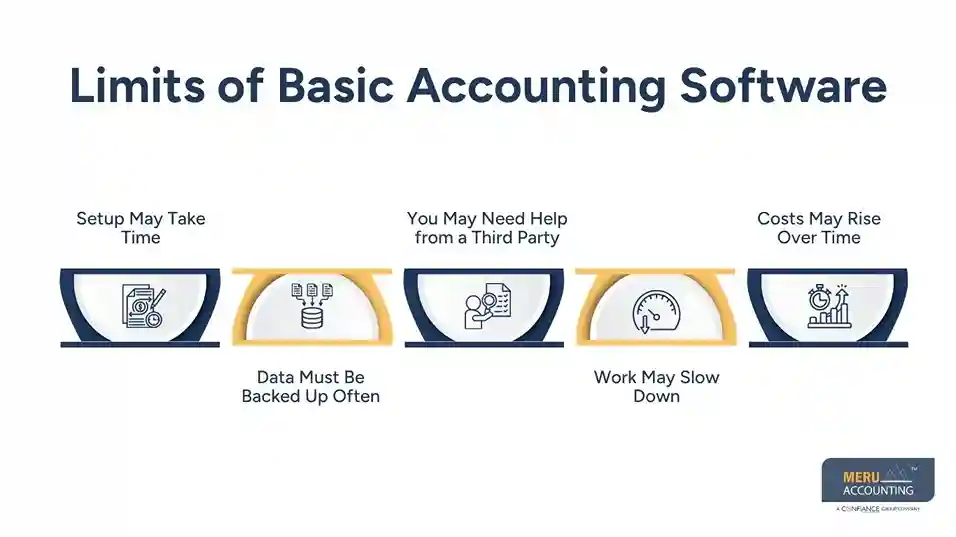
Work May Slow Down
As more sales and bills come in, some small tools take more time to load or build reports. Staff may wait while the system works.
ERP is made for firms that deal with more data each day. It helps speed up key tasks and keeps work flow smooth.
Costs May Rise Over Time
A small tool may seem low in cost at first. As the firm grows, it may have to pay more for new users, new tools, or more data space.
ERP accounting software gives more tools in one place. This can help lower the need to buy and run many apps at the same time.
Features You Can Expect in ERP Accounting Software
Better Cost Control
A firm must know what it spends to keep costs in check. ERP accounting software sorts costs into the right groups and helps staff see where cash goes. This helps the firm plan well, cut waste, and make more profit.
Full Ledger Care
The ledger keeps a full list of all money moves in the firm. Each sale, bill, cost, and cash item must go to the right place. ERP helps keep the ledger neat and up to date. It puts each item in the right group and helps make clear reports with less manual work.
Keep Track of Business Assets
A growing firm needs to know where its assets are and how they are used. This can be hard with a basic tool, especially when the firm has more than one site. ERP accounting software helps keep track of tools, cars, stock, and other key assets. It shows where each asset is, who uses it, and when it needs care. This helps cut waste and makes better use of what the firm owns.
Many ERP tools also work with cloud-based accounting platforms, so staff can see asset data from any site.
Clear Reports and Useful Data
Good reports help a firm know how it is doing. They show sales, costs, cash flow, and profit in one place. ERP accounting software gives fast reports with live data. Staff do not have to wait for the end-of-month work to see how the firm is doing. They can spot trends, fix weak areas, and make good plans based on real data.
When ERP runs on cloud based accounting platforms, leaders can check reports from the office, home, or while they travel.
Strong Data Safety
Money data is one of the most valuable parts of a firm. It must stay safe from loss and from people who should not see it.
Most ERP accounting software uses strong safety tools to help keep data safe. Many systems also use cloud based accounting platforms, which back up data on a set plan and help lower the risk of data loss if a PC fails.
This helps firms keep key records safe while still giving the right staff easy access.
Why Cloud Based Accounting Platforms Make ERP Even More Powerful
Today, many firms want more than software that sits on one PC. They need a system that gives safe access from any place.
That is why cloud based accounting platforms have become a key part of many ERP systems.
When ERP accounting software runs on the cloud, firms can:
- View data at any time.
- Help teams work from more than one site.
- Keep data backed up.
- Share reports with ease.
- Add new users as the firm grows.
- Lower the need for costly servers.
Cloud tools also help firms stay up to date because new fixes and new tools are added with less work from the IT team.
Signs Your Business Has Outgrown Basic Accounting Software
Your firm may be ready for ERP accounting software if you see these signs:
- Your team spends too much time on manual entry.
- You use more than one tool to run the business.
- It takes too long to build reports.
- Your staff works from many sites and needs live data.
- You find it hard to keep all the financial data in one place.
- Your basic tool slows down as the firm grows.
- You need more help than your current tool can give.
Many of these issues can be solved by moving to cloud based accounting platforms that support a full ERP system.
Why Meru Accounting (We) Is the Right Partner for ERP Accounting Software
Moving to ERP accounting software is a big step for any business. The right plan helps you get the full value from your new system while keeping day-to-day work on track. At Meru Accounting, we help businesses make this move with less stress and better results.
Our team works with many ERP systems and helps businesses choose a setup that fits their size, goals, and work style. We also help move your data, set up the system, train your team, and keep your books in good shape after the move.
We help businesses:
- Pick the right ERP accounting software for their needs.
- Move data from old accounting tools with care.
- Set up charts of accounts and key finance tasks.
- Build clear reports for better business insight.
- Use cloud based accounting platforms for safe and easy access.
- Keep books up to date with skilled accounting support.
- Scale the system as the business grows.
Our goal is to help you spend less time on manual work and more time growing your business with clear and reliable financial data.
Our Expert Insight
Many businesses wait too long before they move to ERP accounting software. By that time, staff may spend too many hours on manual work, reports may take longer to build, and data may sit in more than one system.
Moving to an ERP system at the right time helps bring all key business data into one place. When the system also runs on cloud based accounting platforms, teams can work with live data, improve accuracy, and make faster business decisions.
At Meru Accounting, we believe the best ERP solution is one that matches your business needs today while giving you room to grow in the future.
Key Takeaways
- ERP accounting software helps growing businesses manage complex accounting work with one system.
- Basic accounting tools may not support larger teams, more data, or higher transaction volumes.
- ERP improves reporting, cost control, ledger management, and asset tracking.
- Cloud based accounting platforms give secure access to financial data from almost any location.
- ERP helps reduce manual work, improve accuracy, and support better business decisions.
- Moving to ERP at the right time prepares your business for future growth.
FAQs
ERP accounting software is a business system that combines accounting with other key functions such as sales, inventory, purchasing, payroll, and reporting. It helps businesses manage all financial data from one place.
Growing businesses often outgrow basic accounting tools as they add more customers, employees, locations, and transactions. ERP gives them better control, faster reporting, and improved efficiency.
Cloud based accounting platforms allow users to access ERP data from different locations, keep information backed up, improve teamwork, and reduce the need for local servers.
A business should consider moving to ERP accounting software when manual work increases, reports become difficult to prepare, data is spread across different systems, or the current software no longer supports business growth.
Meru Accounting helps businesses select the right ERP accounting software, migrate financial data, configure the system, improve accounting processes, and support ongoing financial management. We also help businesses make the best use of cloud based accounting platforms to improve efficiency and support long-term growth.
optional anymore
on running the business