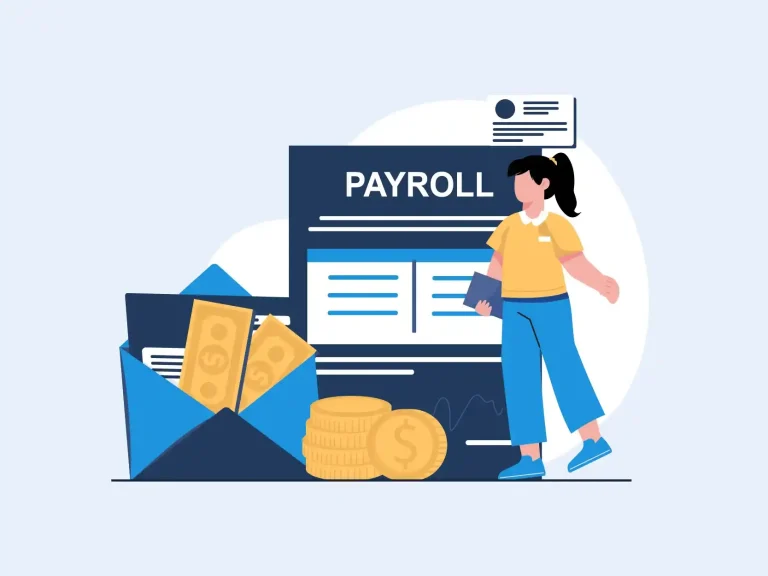
Payroll management plays an important role in maintaining accurate employee payments and organized business records. Companies must manage salaries, tax deductions, benefits, and legal filings correctly to avoid payment errors and compliance concerns. A proper payroll process builds employee trust and keeps businesses aligned with government requirements.
Many businesses find payroll tasks time-consuming due to changing rules, record requirements, and reporting needs. Outsourced payroll management provides expert support for salary processing, tax calculations, and employee records. Reliable payroll processing and compliance services allow businesses to reduce administrative work, maintain accuracy, and focus on their core operations.
What You Will Learn From This Blog
- How payroll management systems simplify salary calculations and reporting.
- Why maintaining accurate payroll records is important for business compliance.
- How outsourced payroll processing reduces payroll errors and saves time.
- The key features and benefits of a reliable payroll management system.
- How payroll processing and compliance services help businesses manage changing regulations.
- The challenges businesses face in payroll management and ways to overcome them.
- How outsourcing payroll tasks supports business growth and improves efficiency.
What is Payroll Management?
Payroll management is the process of handling employee salary payments, deductions, payroll records, tax details, and other payroll responsibilities. It includes collecting employee information, calculating wages, managing overtime and bonuses, preparing payment records, and maintaining financial reports.
Accurate payroll processing ensures employees receive correct payments while businesses maintain organized records for reporting and compliance needs through reliable payroll processing and compliance services.
Effective payroll administration also includes managing tax deductions, following employment regulations, and maintaining updated employee records. Businesses must track salary details, benefits, working hours, and payment history to avoid errors during audits or reviews. Professional payroll services reduce administrative workload by managing calculations, compliance requirements, and routine payroll tasks, allowing businesses to focus on their main operations.
The Importance of Maintaining Payroll Records
Every company has to keep a record of the payroll taxes, regardless of the number of employees the firm hires. A payroll management system ensures that the employees get their dues on time and that your business is law-compliant. One must steadily maintain all the records of finances, such as the employee’s salary, income tax withholding, Social Security, and Federal Unemployment Tax.
These kinds of records must be kept to satisfy the federal requirements of the business to manage the day-to-day staff management activities. These records contain the list of employees of a company who receive remuneration for work carried out or services that are rendered to the company.
Features of Payroll Management System
Automated Payroll Processing
The system does all the work. It figures out pay, makes pay slips, and handles tax forms. It saves time and cuts down on mistakes.
Accurate Tax Calculations
Payroll systems incorporate up-to-date tax laws and regulations, while payroll processing and compliance services provide expert support for accurate tax calculations and filings. This feature helps organizations stay compliant with tax laws and avoid potential penalties.
Time and Attendance Integration
The tool links with your time and leaves the system to track hours and time off. This keeps pay fair and the data right.
Employee Self-Service Portals
One of the important features of the payroll system is the presence of employee self-service portals. It gives staff members access to their pay information, tax records, and pay stubs.
Understanding Payroll Processing and Compliance Services
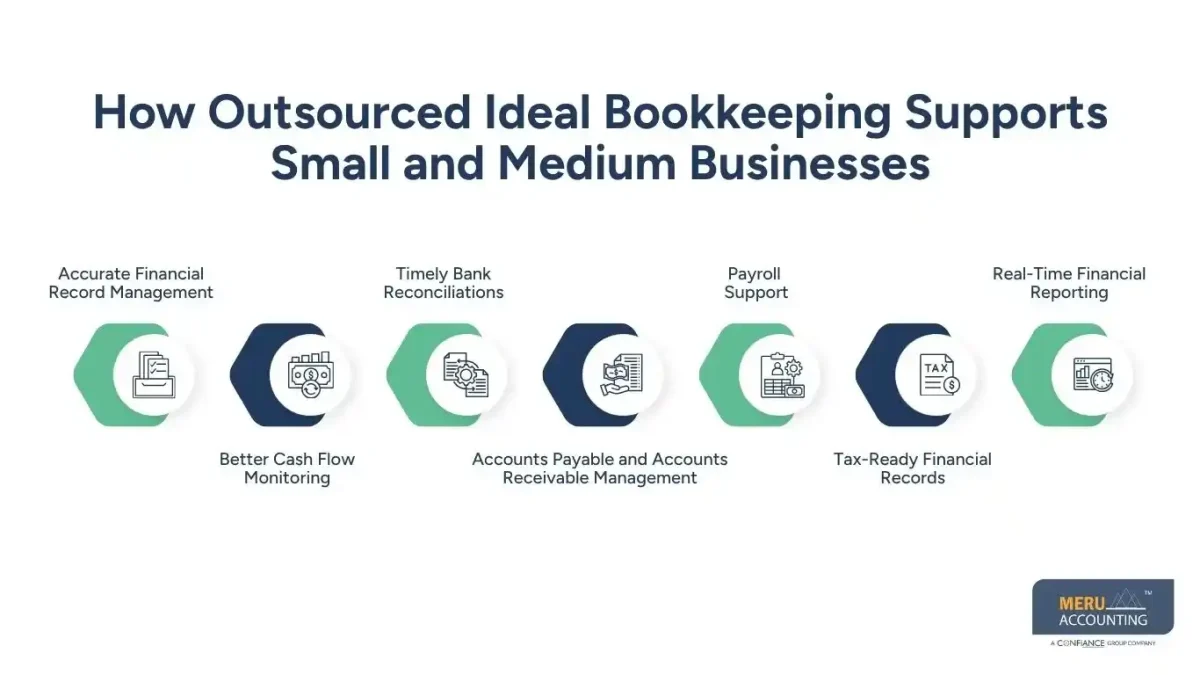
Payroll processing and compliance services provide professional support for managing salary calculations, tax reporting, employee records, and compliance requirements. These services ensure payroll data is accurate, payments are completed on time, and required documents are properly maintained.
Payroll specialists review employee details, manage tax obligations, prepare reports, and follow regulatory requirements to reduce errors and compliance risks. Organized payroll processes also support audits, improve record management, and create better control over salary-related activities.
How Outsourced Payroll Management Enhances Payroll Processing and Compliance Services
Outsourced payroll management allows businesses to delegate payroll tasks to experienced professionals who manage salary calculations, records, taxes, and reporting with accuracy.
Professional payroll processing and compliance services reduce administrative pressure, maintain proper records, and ensure payroll activities follow required regulations.
Reduces Payroll Calculation Errors
Payroll calculations require attention to salary rates, working hours, deductions, bonuses, and employee benefits. Small mistakes can create payment issues and additional correction work.
Outsourced experts review payroll information carefully before processing payments. Their experience with payroll systems reduces calculation errors and creates more accurate salary records.
Keeps Payroll Rules Updated
Employment and tax rules can change regularly based on government updates. Businesses may find it difficult to monitor every change while managing daily operations.
Professional providers track relevant payroll regulations and update their processes accordingly. Payroll management services ensure businesses follow current requirements without spending extra time on research.
Saves Internal Business Time
Handling payroll internally requires employees to manage data entry, payment preparation, tax reports, and record updates. These tasks can reduce time available for important business activities.
Outsourcing payroll tasks allows companies to redirect internal resources toward customer service, planning, and growth activities. Specialists handle routine payroll responsibilities with organized procedures.
Strengthens Data Security
Payroll information includes sensitive employee details such as salaries, tax information, and personal records. Protecting this data is important for every organization.
Professional payroll providers use secure systems and controlled access methods to protect confidential information. Proper security practices reduce the chances of unauthorized data access.
Provides Better Payroll Reporting
Clear payroll reports help business owners understand salary expenses and workforce costs. Accurate reports support better financial planning and decision-making.
Outsourced payroll services provide organized reports that show payment details, deductions, and payroll trends. These records make financial reviews easier.
Supports Business Growth
Growing businesses often experience increased payroll complexity as employee numbers increase. Managing additional salaries, benefits, and compliance tasks can become challenging.
Outsourced payroll solutions provide flexible support as business requirements change. Companies can manage workforce expansion without creating additional administrative pressure.
Benefits of Payroll Management System
Saves Time and Resources
A payroll system cuts down the time spent on pay tasks. It handles things like data input, tax checks, and pay reports. This lets your team work on key goals that grow your business.
Boosts Accuracy and Follows the Rule
Reliable payroll processing and compliance services help businesses manage changing tax rules, reduce calculation errors, and maintain accurate payroll records. This helps you stay clear of big fines and keeps your pay records in line with the rules.
Keeps Data Safe
Today’s payroll tools use high-level security to guard staff data. They store things like bank info, tax forms, and IDs in safe places. Only the right people can view or change this data, which helps stop leaks and fraud.
Makes Staff Happy
Most payroll tools let staff log in and see their data. They can check pay slips, leave days, and tax files at any time. This clear view builds trust. Plus, when pay is right and on time, morale goes up.
What are the challenges and strategies for a successful Payroll management system?
Challenges in Payroll Management
Understanding the key issues in payroll is vital for smooth work and legal safety. Here are the main challenges:
Getting the Data Right
Payroll needs correct data from many systems. If you type in the wrong info, it can lead to incorrect pay and tax issues. Clean data helps avoid these risks.
Following the Law
Using payroll processing and compliance services helps businesses stay updated with regulatory changes and manage payroll requirements more effectively. Keeping up with all of them takes time and care.
Keeping Data Safe
Pay files hold private staff info like pay, tax, and ID. You must keep this safe from hacks and leaks. Use strong tools to guard this data.
Sorting Staff Types
You must sort staff into full-time, part-time, temp, or freelance. If you sort them wrong, you could face fines or legal trouble.
Handling Complex Pay Plans
Some teams have more than one pay rate, like base pay, bonus, or extra hours. This can make math hard. Good tools and checks help make sure pay is fair and right.
Strategies for success in a payroll management system
Compliance with Regulations
Ensure that your payroll system complies with all relevant local, state, and federal regulations and reporting requirements. Stay updated with any changes in labor laws to make necessary adjustments in the system accordingly.
Automate the Processes
Use payroll software or systems along with payroll processing and compliance services to automate repetitive tasks such as calculating wages, deductions, taxes, and generating reports.
Automation helps reduce errors and saves time, allowing your team to focus on more strategic tasks, bringing efficiency in payroll management services.
Integration With Accounting and HR
Connect your payroll system with important departments like HR and accounting. This will help make processes easier and keep data consistent. This integration facilitates seamless sharing of employee information, benefits enrollment, timekeeping data, and financial reporting.
Regular Audits and Reconciliation
Conduct regular audits and reconciliations of payroll records to identify and rectify discrepancies, and comply with auditing standards. Verify payroll inputs, outputs, and tax filings to prevent errors.
Step-by-Step Payroll Processing Guide for Businesses
Here we will see how a well-structured payroll processing system can benefit your business.
Set Clear Payroll Rules
Before you use a payroll processing system, make sure your pay rules are clear. State your pay scale, tax cuts, and staff perks in writing. This avoids mix-ups and keeps all staff on the same page.
Keep Staff Records Up to Date
Store full and correct staff records. This includes names, tax forms, job terms, and more. These records help you pay each person right and follow labor rules.
Use Tools to Do Pay Math
Track work hours, extra pay, and bonuses. A payroll tool can do the math for you and cut down on mistakes. This helps make sure each person gets the right pay.
Get Taxes Right
You must take out the right tax from each paycheck. This means central, state, and local taxes. If you get it wrong, you may face fines. A good payroll tool helps you stay on track with tax laws.
Pay on Time and Give Clear Slips
Make sure staff get their pay on time. Give pay slips that show how much they earned and what was taken out. This builds trust and helps staff see where their pay goes.
Know the Latest Pay Laws
Pay rules can often change. You need to keep up. When you know the new laws, you avoid legal trouble and make sure pay is fair and correct.
Outsourced Payroll Management services
You can hire a payroll firm to do this work for you. Payroll processing and compliance services save time, reduce errors, and help businesses focus on important goals while improving payroll efficiency.
optional anymore
on running the business
Why Outsourced Your Payroll Management System is Essential for Your Business
Saves Money, Time, and Boosts Accuracy
Outsourced Payroll Management helps cut costs linked to in-house payroll work. A smart system does the hard tasks fast and with fewer mistakes. This means you need fewer staff to manage pay, which saves both time and money. Your HR team can then focus on hiring, training, and staff care.
Full Payroll Support
Some firms choose to let experts handle all pay tasks. These services cover every step—data input, tax checks, pay slips, and direct pay.
By choosing expert payroll processing and compliance services, businesses can simplify payroll operations while maintaining proper records and meeting regulatory requirements.
Lower Risk and Legal Issues
One big perk of outsourced Payroll management is less risk. These tools stay up to date with tax laws and rules. This helps you stay safe from fines and legal trouble. They also guard staff data from leaks and hacks.
Happier Employees
Good payroll systems pay staff on time. They handle extra hours, bonuses, and perks with ease. Many services let staff use a self-service portal. Here, they can see pay slips, ask for leave, and track perks. This builds trust and keeps staff happy.
How Meru Accounting Simplifies Payroll Management For Businesses
A smart payroll processing system keeps your business compliant, reduces errors, and makes your team happier. With clear rules, secure data, and strong tools, payroll becomes smooth and stress-free. By choosing outsourced payroll management, you free up time, lower risk, and boost efficiency.
Meru Accounting offers expert payroll services tailored to your business needs. We are making your payroll easy, accurate, and fully compliant. Our experienced team manages salary calculations, payroll records, tax requirements, and reporting tasks through reliable payroll processing and compliance services. We follow organized processes to maintain accuracy and protect important payroll information.
With reliable payroll support, businesses can reduce administrative pressure and focus on daily operations. Meru Accounting provides practical payroll solutions that match business requirements while maintaining compliance with changing payroll rules.
Our Expert Perspective
At Meru Accounting, we understand that effective payroll management requires accuracy, compliance knowledge, and proper record handling. Our expert team helps businesses manage salary calculations, tax requirements, employee records, and reporting tasks with organized payroll processes.
By using reliable payroll tools and professional expertise, we reduce errors, protect sensitive information, and provide payroll processing and compliance services that allow businesses to save time and focus on growth.
Key Takeaways
- Payroll management helps businesses maintain accurate salary records, tax details, and employee information.
- A payroll processing system reduces manual work and improves payment accuracy.
- Automated payroll processing helps prevent calculation mistakes and saves valuable time.
- Maintaining proper payroll records supports compliance and simplifies audits.
- Payroll systems improve data security by protecting confidential employee information.
- Outsourcing reduces administrative pressure and compliance risks.
- Professional payroll services help businesses manage changing payroll rules effectively.
- Meru Accounting provides reliable payroll solutions designed to improve accuracy and efficiency.
FAQs
It is a tool that helps calculate pay, deduct taxes, and give employees their salaries on time.
Outsourcing saves time, lowers mistakes, and ensures your payroll follows legal rules.
It tracks work hours, calculates pay, deducts taxes, and generates pay slips automatically.
Yes. Trusted providers use secure systems to keep employee data private and safe from breaches.
A payroll management system saves time, improves accuracy, protects employee data, automates calculations, and helps businesses maintain compliance with payroll regulations.