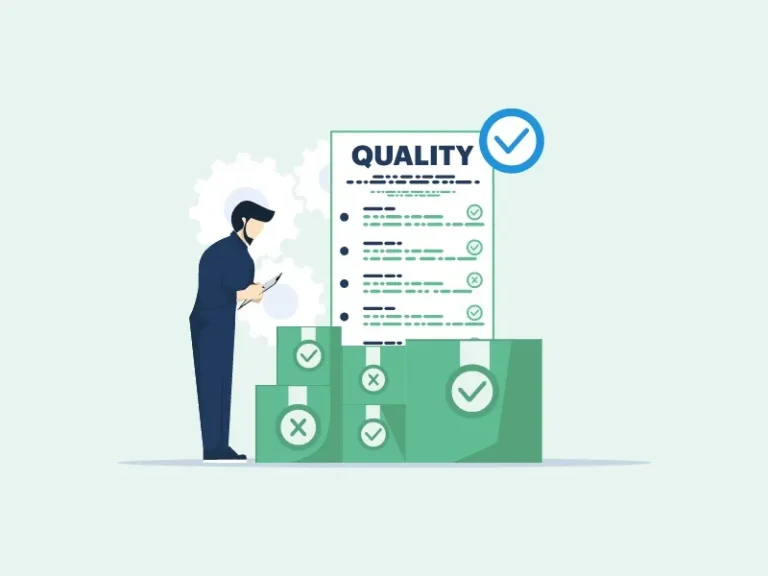
Product safety and quality are key for all makers. A GMP audit checks work, staff, tools, and logs closely. Audits help spot flaws fast and keep work smooth. They also cut mistakes and stop bad goods from reaching buyers.
A GMP audit checklist guides staff step by step. It makes sure no key task is missed. Using the checklist keeps audits fast, clear, and well-formed. Teams can track issues and fix them fast.
Makers face risks from hard or long processes. Old tools, wrong logs, or weak steps add risk. Regular Good Manufacturing Practice audits make work smooth, cut errors, and lift quality. They also help teams pass checks by rules or laws.
GMP audits do more than check for flaws. The checklist lets staff see all the work fully. It helps keep safety rules and quality high. Audits also boost staff skills, care, and check work well.
What You Will Learn From This Blog
- How Good Manufacturing Practice audits help maintain consistent product quality.
- The role and importance of a GMP audit checklist.
- Step-by-step process of conducting a GMP audit.
- Key benefits of performing Good Manufacturing Practice audits regularly.
- Common challenges in Good Manufacturing Practice audits and how to overcome them.
- Best practices for effective auditing in manufacturing processes.
Understanding GMP Audits
A GMP audit checks production practices against set rules. It finds gaps in equipment, documents, and staff work. The main goal is to stop quality problems early.
Internal vs External Audits
Internal audits are done by trained staff in the company. They catch problems before regulators visit the site.
External audits are done by regulators or outside experts. They give an unbiased view of compliance and risks.
The Role of a GMP Audit Checklist
A GMP audit checklist ensures all areas are checked. It includes storage, production, testing, and staff practices. Auditors use it to avoid missing key inspection points.
Audit Frequency and Scheduling
Audits should match risk level and process complexity. High-risk steps require more frequent checks for safety. Scheduling audits during slow periods avoids production delays.
Benefits of GMP Audits
Improved Product Quality
GMP audits find errors in work at early steps. They keep output even and stop bad products. The checklist makes sure each step is checked.
Enhanced Safety Compliance
Audits check that staff follow all safety rules. Good work lowers the risk of dirt or mix-ups. Safe steps build trust with clients and users.
Operational Efficiency
Audits show weak spots in work and tools. Fixing these spots saves time, money, and waste. The checklist helps track all steps to fix.
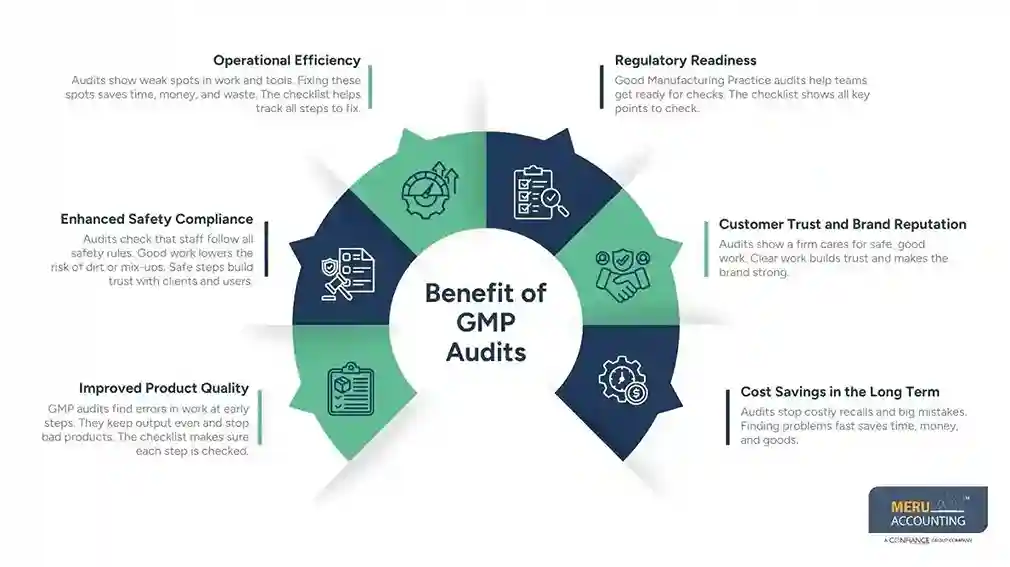
Regulatory Readiness
Good Manufacturing Practice audits help teams get ready for checks. The checklist shows all key points to check. Regular checks lower the risk of fines or stop work.
Customer Trust and Brand Reputation
Audits show a firm cares for safe, good work. Clear work builds trust and makes the brand strong. Clients pick goods from firms they can trust.
Cost Savings in the Long Term
Audits stop costly recalls and big mistakes. Finding problems fast saves time, money, and goods. The checklist makes sure all safe steps are used.
Step-by-Step Process of Conducting a GMP Audit
Step 1: Planning the Audit
Auditors define the scope and main areas to check. They collect documents and past reports for reference. The checklist makes planning organized and systematic.
Step 2: Conducting the Audit
Auditors inspect production, equipment, and staff work closely. The checklist ensures nothing important is skipped. Observations are written down for later review.
Step 3: Reporting Findings
Reports list compliance problems, risks, and weak points. Management uses them to plan fixes quickly and clearly. Well-documented reports help in future inspections and audits.
Step 4: Implementing Corrective Actions
Companies fix issues found during the audit immediately. Changes may include training, equipment updates, or new SOPs. Follow-up audits check that fixes work as expected.
Step 5: Continuous Monitoring
Audits must happen regularly, not just one time. Monitoring keeps processes consistent and safe over time. The checklist tracks repeated errors and prevents them.
Step 6: Staff Training and Awareness
Audit results show where staff need more knowledge. Training ensures workers follow standards correctly each day. Well-informed staff reduce mistakes and improve product quality.
Step 7: Using Technology for Audit
Software can help track audit progress and results. Digital checklists save time and make reporting faster. Technology reduces human errors and improves overall compliance.
Common Challenges in GMP Audits and Solutions
Incomplete Documentation
Missing or unclear records make audits harder to complete. Keep records updated and organized using a checklist.
Staff Resistance
Some employees resist audits or new processes. Explain benefits and include staff in process improvements.
Complex Production Processes
Complicated workflows make audits more difficult to conduct. Break processes into smaller steps and follow the checklist.
Time Constraints
Audits may be rushed due to production schedules. Plan audits during low activity for full attention.
Equipment Limitations
Old or faulty equipment may fail audit checks. Regular maintenance and calibration help prevent audit problems.
Regulatory Changes
Changing rules may confuse staff and auditors. Update checklists often to match current standards.
Key Components of a GMP Audit
Facility and Equipment Inspection
Auditors check that all tools are clean and work. The facility should be clean and allow for smooth work. Equipment logs must be full and kept up each day.
Process Control Verification
Processes must follow set work steps every time. Auditors watch each step to make sure it works. Process checks help reduce mistakes and keep the output the same.
Raw Material Review
All materials must be checked before using them at work. Supplier records should be reviewed to ensure they comply. The checklist ensures no step is skipped during handling.
Documentation Accuracy
All work and test notes must be full and correct. Incomplete notes can lead to audit issues or fines. A GMP audit checklist helps track all needed records.
Importance of Risk Assessment in GMP Audits
Identifying High-Risk Areas
Audits show steps that may hurt product quality. High-risk steps need more care and closer watch. The checklist ensures these steps get full attention each time.
Preventive Measures
Audits let teams act before problems happen. Fixes cut recalls, dirt, and user complaints effectively. Checklist items guide actions in every audit.
Continuous Improvement
GMP audits give feedback to make work better. Regular reviews cut mistakes and make work steadier. Watching trends helps keep production safe and reliable.
GMP Audits in Different Industries
Pharmaceutical Industry
Audits ensure medicines are safe and work as planned. Checklists cover lab tests, storage, production, and records. Failing to follow rules may cause fines or recalls.
Food and Beverage Industry
Audits stop dirt and keep food fresh for users. Checklist covers cleaning, packing, storage, and supplier checks. Following audits builds trust and a good brand name.
Cosmetics and Personal Care Products
Audits check that ingredients and steps are safe for use. Checklists guide testing, labeling, and packing work. Regular audits reduce risks of harm to consumers.
Medical Devices
Audits ensure devices meet design and safety rules. Checklist covers sterilization, storage, and all records. Good audits stop device failures and keep users safe.
Case Study: Real-Life GMP Audit Success
A pharmaceutical company used a GMP audit checklist carefully. They found gaps in cleaning and recordkeeping processes. Corrective actions improved product quality and customer satisfaction. Follow-up audits ensured long-term compliance and safety standards.
A food manufacturer improved hygiene by using audits effectively. They identified cross-contamination risks on production lines. Staff training and process changes reduced contamination risks. The company now meets all regulations with no issues.
GMP Audit Services by Meru Accounting
At Meru Accounting, we give Good Manufacturing Practice audits to help all makers. Our goal is to keep products safe, pure, and correct.
Custom GMP Audit Checklists
We make easy-to-use GMP audit checklists for each site. The list checks work, storage, tools, and staff tasks. It helps ensure all key steps are done right.
Find Gaps and Fix Them
We look at steps to find faults or weak spots. Our team gives clear steps to fix the problems fast. This stops mistakes and keeps work correct at all times.
Support for Compliance
We help your plant meet all GMP rules on time. Audits prepare your team for checks by staff or agents. We help you avoid fines and stay within the law.
Better Product Quality and Safety
With our help, products stay safe, pure, and steady. Audits cut mistakes, prevent defects, and raise trust. Work stays smooth and under good control each day.
Ongoing Help and Tracking
Meru Accounting helps track rules and work done each day. We train staff and help improve steps as needed. Follow-up checks make sure all fixes last for a long time.
Key Takeaways
- Good Manufacturing Practice audits maintain product quality and operational efficiency.
- A GMP audit checklist ensures all areas are checked.
- Regular audits reduce contamination risks and regulatory penalties.
- Staff training improves awareness and process compliance.
- Companies gain trust, enhance their reputation, and save costs.
- Continuous auditing strengthens overall production and quality control.
FAQs
A GMP audit checks production processes for compliance. It ensures products meet safety and quality standards.
It guides auditors through all critical inspection areas. Checklists ensure thorough review and reduce missed steps.
Audits should happen regularly to maintain safety and quality. Frequency depends on complexity, risk, and regulations.
Audits may be internal or done by external experts. Third-party auditors give unbiased compliance reviews and advice.
Problems include missing records, staff resistance, and delays. Checklists help simplify audits and improve overall compliance.