Businesses looking to reduce hiring costs often choose to hire remote bookkeepers instead of building large in-house finance teams. Traditional recruitment can include job ads, screening costs, interviews, training time, office space, and employee benefits. These expenses can create pressure for small businesses and growing companies.
A remote bookkeeper provides daily accounting support without the high cost linked with full-time hiring. Companies can access skilled professionals who manage records, bank checks, invoices, payroll data, and financial reports from a remote location.
Many businesses now use Cloud Staffing solutions to find trained accounting professionals without spending large amounts on recruitment. This approach allows companies to select skilled bookkeepers based on their needs, workload, and budget.
Hiring the right professional requires a clear process. Businesses must understand the role, check technical skills, review experience, and choose a reliable staffing model. A structured approach allows companies to hire remote bookkeepers who match their accounting needs while reducing unnecessary expenses.
What You Will Learn From This Blog
- How remote bookkeepers work with modern businesses and finance teams.
- Why do companies choose remote bookkeeping instead of traditional hiring.
- How businesses can hire remote bookkeeper at lower costs.
- How Cloud Staffing connects companies with skilled accounting talent.
- What skills should businesses check before selecting a remote bookkeeper.
- Common hiring mistakes and ways to avoid them.
Understanding the Role of a Remote Bookkeeper in Modern Businesses
Managing Daily Financial Records
A remote bookkeeper manages regular accounting tasks from an off-site location. These tasks include recording transactions, updating accounts, tracking expenses, and maintaining accurate financial data.
Businesses can hire remote bookkeeper to handle routine finance work while internal teams focus on planning and growth activities.
Handling Bank and Account Reconciliation
Bank reconciliation is a key responsibility for remote bookkeeping professionals. They compare bank statements with accounting records to identify errors, missing entries, or incorrect transactions.
Regular reconciliation keeps financial information accurate and gives businesses better control over cash movement.
Maintaining Invoice and Payment Records
Remote bookkeepers manage customer invoices, vendor bills, and payment records. They track outstanding balances and organize financial details for better reporting.
Proper invoice management allows businesses to maintain steady cash flow and avoid missed payment issues.
Preparing Financial Reports
A remote bookkeeper prepares reports that show business performance. Common reports include profit and loss statements, balance sheets, and expense summaries.
These reports provide useful information for owners when making financial decisions.
Working With Cloud Accounting Platforms
Modern remote bookkeepers use accounting platforms such as QuickBooks Online, Xero, and other cloud-based systems. These tools allow teams to share financial data from different locations.
By hiring remote accounting professionals, companies can access skilled experts who are already familiar with popular accounting software and cloud-based workflows.
Supporting Business Growth Needs
Growing companies often face increasing transaction volumes. A remote bookkeeper provides flexible accounting support without requiring immediate permanent hiring.
Businesses can hire remote bookkeeper based on workload changes and operational requirements.
Why Businesses Prefer To Hire Remote Bookkeeper Professionals
Lower Recruitment and Hiring Costs
Traditional recruitment involves several expenses, including advertising roles, recruiter fees, interviews, onboarding, and training. These costs can become significant for small businesses.
Choosing to hire remote bookkeeper reduces many of these expenses by providing access to ready-to-work accounting talent.
Access to Wider Accounting Talent
Local hiring limits businesses to professionals available within a specific area. Remote hiring allows companies to connect with skilled bookkeepers from different regions.
Cloud Staffing gives businesses access to a broader talent pool without requiring extensive recruitment efforts.
Flexible Support For Changing Workloads
Accounting needs often change during tax periods, business expansion, or seasonal sales cycles. Remote bookkeeping services allow companies to adjust support based on current needs.
Businesses can increase or reduce bookkeeping assistance without managing complex hiring changes.
Reduced Office-Related Expenses
Hiring full-time employees requires additional costs such as office equipment, workspace, and employee benefits. Remote professionals work outside the company’s office structure.
This model reduces operational expenses while maintaining access to accounting expertise.
Faster Access to Skilled Professionals
Traditional hiring may take weeks or months before finding the right candidate. Businesses often require accounting support without unnecessary delays.
A reliable remote accounting staffing approach helps companies find qualified professionals through a structured hiring process.
Better Focus on Core Business Activities
Business owners often spend too much time managing accounting tasks instead of focusing on important goals. Remote bookkeepers take care of routine finance activities.
Companies that hire remote bookkeeper can spend more time improving services, managing customers, and planning future growth.
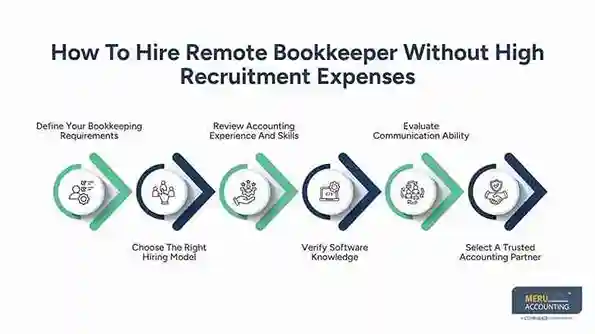
How To Hire Remote Bookkeeper Without High Recruitment Expenses
Define Your Bookkeeping Requirements
Before hiring, businesses should identify their exact accounting needs. Requirements may include bank reconciliation, payroll records, invoice management, or monthly reporting.
A clear job requirement makes it easier to hire remote bookkeeper with suitable experience and technical skills.
Choose The Right Hiring Model
Businesses can select different hiring methods based on their needs. Some companies require part-time support, while others need ongoing bookkeeping assistance.
Cloud Staffing provides flexible options that allow companies to select professionals according to workload and budget.
Review Accounting Experience And Skills
Experience plays an important role when selecting a remote bookkeeper. Businesses should review previous work, accounting knowledge, and software skills.
Checking practical experience ensures the selected professional can manage financial tasks with accuracy.
Verify Software Knowledge
Accounting software knowledge is important for remote bookkeeping work. Professionals should understand platforms used by the business, such as QuickBooks Online or Xero.
Businesses using Cloud Staffing can identify candidates with experience in the required accounting tools.
Evaluate Communication Ability
Remote work requires clear communication between business owners and accounting professionals. A good bookkeeper should provide updates and respond to questions on time.
Strong communication creates better coordination between remote teams and company staff.
Select A Trusted Accounting Partner
Working with an experienced accounting provider can simplify the hiring process. A trusted partner can identify qualified professionals and manage workflow requirements.
Businesses should choose partners with proven accounting knowledge and reliable processes when selecting remote bookkeeping support.
How Cloud Staffing Helps Businesses Find Skilled Remote Bookkeepers
Connecting Businesses With Qualified Professionals
Finding the right accounting professional requires time and proper evaluation. Cloud Staffing allows businesses to connect with trained bookkeeping professionals who have relevant accounting experience.
This approach reduces the effort required for searching, screening, and selecting suitable candidates.
Reducing Traditional Recruitment Challenges
Traditional recruitment often requires multiple steps before selecting an employee. Businesses may spend resources on job postings, interviews, and candidate evaluations.
With outsourced staffing solutions, companies can follow a structured hiring process and access professionals without managing every recruitment stage internally.
Providing Flexible Accounting Resources
Every business has different bookkeeping requirements. Some companies need weekly support, while others require daily accounting assistance.
Remote staffing solutions provide flexible options that allow businesses to choose professionals based on their workload and financial goals after they hire remote bookkeeper services.
Offering Access To Accounting Expertise
A skilled remote bookkeeper understands financial processes, accounting software, and reporting requirements. Businesses can select professionals with experience in their industry.
Companies using Cloud Staffing can find accounting resources that match specific operational needs.
Supporting Long-Term Business Requirements
Bookkeeping needs continue to change as companies grow. Businesses require reliable professionals who can manage increasing financial activities.
A structured remote staffing model allows companies to maintain consistent accounting support without repeated recruitment efforts after they hire remote bookkeeper through a reliable provider.
Creating A Cost-Efficient Hiring Process
Recruitment expenses can affect business budgets, especially for small companies. Remote hiring reduces costs linked with office employees.
Companies that hire remote bookkeepers through reliable staffing solutions can maintain quality accounting services at controlled costs.
Benefits of Hiring Remote Bookkeeper Professionals Through Cloud Staffing
Reduce Employee-Related Expenses
Hiring full-time employees includes salaries, benefits, office resources, and other operational costs. Remote bookkeeping reduces many fixed expenses.
Businesses can allocate resources toward important activities while maintaining accurate financial management.
Improve Accounting Task Management
A remote bookkeeper manages routine finance activities such as transaction entries, reconciliations, and reports.
Companies that hire remote bookkeepers can maintain organized accounting records without increasing internal workload.
Gain Flexible Workforce Options
Business requirements often change throughout the year. Remote bookkeeping services allow companies to adjust support according to current needs.
Outsourced staffing solutions give businesses access to flexible support without increasing permanent employee costs.
Access Skilled Accounting Knowledge
Professional bookkeepers bring experience with financial procedures, reporting methods, and accounting platforms.
Businesses can select experts who understand their accounting requirements and industry practices.
Maintain Better Financial Accuracy
Accurate bookkeeping is important for tax preparation, financial planning, and business decisions.
Experienced remote professionals follow organized processes to reduce errors and maintain reliable financial information.
Save Time During Recruitment
Finding skilled accounting staff can take significant time. Businesses must review applications, conduct interviews, and complete onboarding.
Using Cloud Staffing reduces recruitment workload by connecting companies with suitable professionals.
Key Skills To Look For When Hiring a Remote Bookkeeper
Strong Accounting Knowledge
A professional remote bookkeeper should understand basic accounting concepts, financial records, and reporting methods.
Strong accounting knowledge allows professionals to manage daily bookkeeping tasks correctly.
Experience With Accounting Software
Modern bookkeeping requires knowledge of accounting platforms. Professionals should understand tools like QuickBooks Online, Xero, or similar systems.
Businesses should check software experience before they hire remote bookkeeper.
Attention To Financial Details
Bookkeeping requires careful review of numbers, transactions, and account information.
A skilled professional checks records properly and identifies unusual entries before they create larger issues.
Good Communication Skills
Remote professionals must communicate clearly with business owners and finance teams.
Regular updates and clear discussions create better workflow between companies and remote accounting staff.
Understanding Of Data Security
Financial information requires proper protection. Remote bookkeepers should follow secure practices while handling company records.
Businesses should confirm that professionals understand confidentiality requirements before sharing financial information.
Ability To Meet Deadlines
Accounting tasks often follow fixed schedules, especially during reporting and tax periods.
Companies that hire remote bookkeeper should choose reliable experts who can complete bookkeeping tasks within the required timelines.
Questions To Ask Before Hiring A Remote Bookkeeper
Choosing the right remote bookkeeping professional requires proper evaluation. Businesses should ask relevant questions to understand the professional’s skills, experience, and working process before making a decision.
What Accounting Software Do You Use?
Accounting software knowledge is important for effective bookkeeping support. Businesses should confirm whether the remote bookkeeper has experience with platforms such as QuickBooks Online, Xero, or other accounting systems used by the company.
How Do You Protect Financial Data?
Bookkeepers handle sensitive financial information, including transaction records, invoices, and reports. Businesses should understand the security practices followed by professionals to maintain confidentiality and protect financial data.
What Industries Have You Supported?
Industry experience helps professionals understand specific accounting requirements and reporting needs. Businesses should ask about previous industry experience to ensure the remote bookkeeper can manage tasks related to their business operations.
How Do You Handle Reporting Deadlines?
Timely reporting is important for financial planning and decision-making. Businesses should understand how the remote bookkeeper manages deadlines, prepares reports, and communicates updates during regular accounting cycles.
What Review Process Do You Follow?
Companies that hire remote bookkeeper should ask about review procedures to ensure accuracy, consistency, and reliable financial reporting.
Businesses should ask about quality checks, reconciliation procedures, and workflow methods followed before finalizing financial information.
Common Mistakes to Avoid When Hiring Remote Bookkeeper Professionals
Selecting Based Only on Price
Choosing the lowest-cost option can create problems if the professional lacks proper experience.
Businesses should consider skills, reliability, and accounting knowledge before making a decision.
Ignoring Software Compatibility
Different businesses use different accounting platforms. Hiring someone without relevant software knowledge can create delays.
Companies should confirm software experience before they hire remote bookkeepers.
Not Checking Previous Experience
Experience shows how well a professional handles real accounting situations.
Businesses should review past work, industry exposure, and bookkeeping responsibilities before selection.
Poor Communication Expectations
Remote work requires clear communication rules. Businesses should define reporting schedules, response times, and work responsibilities.
Clear expectations create better relationships with remote accounting professionals.
Lack of Process Documentation
A proper bookkeeping process reduces confusion and mistakes. Businesses should document tasks, deadlines, and reporting requirements.
Organized procedures allow remote professionals to complete work efficiently.
Choosing an Unreliable Service Provider
A staffing partner should have accounting knowledge and proper professional screening methods.
Proper research helps companies hire remote bookkeepers through reliable Cloud Staffing solutions that match their accounting requirements.
Why Businesses Choose Meru Accounting For Remote Bookkeeping Support
Meru Accounting provides businesses with experienced accounting professionals who understand modern bookkeeping requirements. Companies looking to hire remote bookkeepers can access trained experts without the cost of traditional recruitment.
Our team works with platforms such as QuickBooks Online and Xero to manage bookkeeping tasks, financial records, and reporting requirements. We follow structured workflows with review procedures to maintain accuracy and consistency.
Meru Accounting combines accounting expertise with flexible staffing solutions. Our professionals support businesses with daily bookkeeping needs while allowing owners to focus on important operations.
Through Cloud Staffing solutions, businesses can access skilled accounting resources based on their workload and budget. Companies that want to hire remote bookkeepers can avoid lengthy recruitment processes while receiving reliable bookkeeping assistance.
Our Expert Perspective
At Meru Accounting, we have seen that businesses achieve better financial control when bookkeeping processes are handled by trained professionals. Many companies struggle because accounting tasks remain incomplete during busy periods or growth stages.
Our experience shows that businesses that hire remote bookkeeper achieve better results when they choose resources with accounting knowledge, software skills, and clear communication practices. A structured workflow allows remote teams to maintain accurate records and deliver timely reports.
Companies planning to hire remote bookkeepers should focus on long-term value instead of only reducing immediate costs. The right professional creates better financial visibility and reduces pressure on internal teams.
Key Takeaways
- Remote bookkeepers provide accounting support without high recruitment expenses.
- Businesses can hire remote bookkeepers based on workload needs.
- Cloud Staffing offers access to skilled accounting professionals.
- Remote hiring reduces office costs and recruitment challenges.
- Software knowledge is important for successful remote bookkeeping.
- Businesses should review experience, communication, and security practices.
- A trusted accounting partner creates better bookkeeping outcomes.
- Meru Accounting provides flexible remote accounting support for businesses.
FAQs
A remote bookkeeper manages accounting tasks from an off-site location. They record transactions, check accounts, manage invoices, and prepare financial reports.
Businesses can reduce hiring costs and access skilled accounting professionals. Remote bookkeepers provide flexible support without adding full-time office expenses.
Cloud Staffing connects businesses with trained bookkeeping professionals. It reduces recruitment effort by providing access to suitable accounting talent.
A remote bookkeeper should understand accounting basics, software tools, financial records, and communication practices. Experience with platforms like QuickBooks Online or Xero is also useful.
Yes, hiring a professional remote bookkeeper can be safe when proper security practices are followed. Businesses should choose reliable providers and confirm data protection processes.