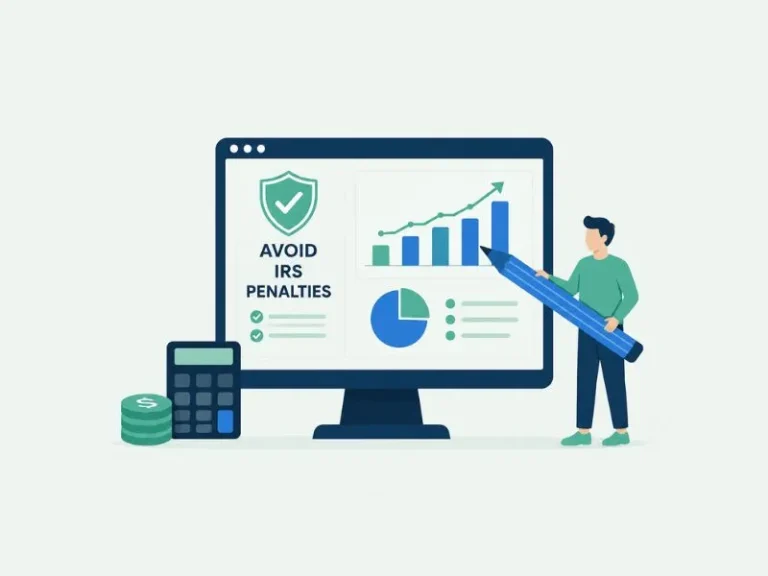
Tax compliance services play a key role in keeping businesses aligned with federal tax rules and filing requirements. Every business, whether small or large, must meet tax deadlines, report income correctly, and maintain accurate financial records. Missing these requirements can result in IRS penalties, interest charges, or additional reviews.
Many business owners focus on daily operations and sales, leaving little time to monitor changing tax rules. Even a small filing error or late payment may lead to unnecessary costs. Professional tax compliance services reduce these risks by keeping tax records organized, preparing accurate returns, and making sure deadlines are met.
Working with experienced tax compliance companies also gives businesses access to current tax knowledge throughout the year rather than only during tax season. Regular monitoring allows businesses to identify issues before they become costly penalties and keeps financial reporting accurate.
What You Will Learn From This Blog
- What tax compliance services include for businesses
- Why IRS tax compliance is important throughout the year
- Common IRS penalties that affect businesses
- Reasons businesses receive tax penalties
- How tax compliance services reduce compliance risks
- Ways tax professionals monitor tax obligations
- How tax compliance companies assist businesses year-round
- Signs indicating your business needs professional tax support
- How Meru Accounting assists businesses with tax compliance
What Are Tax Compliance Services?
Tax compliance services help businesses meet federal, state, and local tax requirements by ensuring tax returns are prepared accurately, filed on time, and supported with complete financial records. These services include tax return preparation, payroll tax compliance, estimated tax monitoring, tax document reviews, IRS correspondence support, and ongoing review of financial information to reduce reporting errors and compliance issues.
Tax compliance services also include regular compliance checks to identify potential issues before tax returns are submitted. By monitoring tax law updates, maintaining organized records, and providing professional guidance, these services help businesses make informed decisions, respond effectively to IRS requests, and stay prepared for changing tax obligations.
Why IRS Tax Compliance Matters For Every Business
IRS compliance is more than filing tax returns on time. It includes maintaining accurate financial records, reporting taxable income correctly, and following federal tax regulations throughout the year.
Strong compliance practices help businesses avoid unnecessary penalties, maintain accurate reporting, and respond effectively to IRS requirements.
Prevents Costly Penalties
Late filings, underreported income, and unpaid taxes often result in financial penalties. Using reliable tax compliance services helps businesses follow proper filing procedures, avoid common mistakes, and protect business cash flow.
Maintains Accurate Financial Records
Accurate accounting records create reliable tax returns. Complete documentation also makes future tax preparation faster and more organized.
Reduces Audit Risk
The IRS may select returns for examination based on various factors, including reporting inconsistencies, unusual deductions, or information mismatches.
Maintaining accurate financial records, complete documentation, and proper tax reporting helps businesses respond effectively if an IRS audit or review occurs.
Builds Business Confidence
Business owners make better financial decisions when tax obligations are clearly understood. Reliable compliance practices create greater confidence during business planning.
Keeps Business Operations Stable
Unexpected tax penalties can affect cash reserves and operating budgets. Consistent compliance reduces unexpected financial pressure throughout the year.
Supports Long-Term Growth
Businesses planning expansion, financing, or investment require reliable financial reporting. Strong tax compliance creates confidence among lenders, investors, and business partners.
Common IRS Penalties Businesses Face
The IRS may impose different penalties depending on the type of compliance issue. Understanding these penalties allows businesses to recognize the importance of maintaining accurate tax records and timely filings.
Late Filing Penalties
Businesses that submit tax returns after the filing deadline may receive penalties based on unpaid taxes. The longer the delay continues, the greater the financial impact may become.
Late Payment Penalties
Filing a return without paying the required tax amount can also result in penalties. Interest usually continues until the outstanding balance is paid.
Accuracy-Related Penalties
Incorrect tax calculations or reporting errors may trigger additional IRS charges. Mistakes involving income reporting or unsupported deductions commonly fall into this category.
Payroll Tax Penalties
Businesses with employees must deposit payroll taxes according to IRS schedules. Tax compliance services can help monitor payroll tax obligations, maintain accurate records, and reduce the risk of missed deposits or reporting errors.
Information Return Penalties
Businesses that issue forms such as Form 1099 or other required information returns must submit them correctly and on time. Incorrect or late information returns may result in separate IRS penalties.
Interest On Unpaid Taxes
Interest applies in addition to penalties when tax balances remain unpaid. Delays increase the total amount owed and make future tax planning more difficult.
Top Reasons Businesses Receive IRS Penalties
Many IRS penalties result from preventable mistakes rather than intentional misconduct. Understanding these common causes allows businesses to strengthen their tax compliance process.
Missing Filing Deadlines
Busy schedules, limited staff, or poor planning often cause businesses to miss important tax deadlines. Using tax compliance services creates structured filing schedules that reduce missed due dates.
Incorrect Income Reporting
Income reported on tax returns must match financial records and IRS reporting requirements. Differences between accounting records and filed returns often lead to IRS notices.
Poor Recordkeeping
Missing invoices, payroll records, or expense receipts make tax reporting difficult. Well-organized documentation provides clear evidence to support reported amounts.
Payroll Tax Errors
Payroll taxes require accurate withholding, deposits, and reporting. Calculation mistakes or missed deposits frequently result in IRS penalties.
Misclassified Business Expenses
Claiming personal expenses as business deductions or incorrectly classifying expenses may create reporting issues. Regular reviews reduce classification mistakes before tax returns are filed.
Failure To Track Tax Law Changes
Tax rules change over time, affecting deductions, reporting requirements, and filing obligations. Working with experienced tax compliance companies allows businesses to remain informed about current IRS requirements.
optional anymore
on running the business
How Tax Compliance Services Help Businesses Stay Compliant
Professional tax compliance services give businesses a structured process for meeting IRS requirements throughout the year. Instead of waiting until tax season, businesses can monitor financial records, review transactions, and correct issues before returns are filed. This approach lowers the chance of costly mistakes and keeps tax reporting accurate.
Maintain Accurate Financial Records
Accurate financial records form the base of every tax return. Sales, expenses, payroll, and bank transactions should match the accounting records.
Regular record reviews through tax compliance services identify missing entries, duplicate transactions, and posting errors before tax filing begins.
Monitor Tax Filing Deadlines
Businesses often have multiple filing dates for income taxes, payroll taxes, and information returns. Professional tax teams maintain filing calendars, send reminders, and complete submissions before due dates to reduce the risk of late penalties.
Review Tax Calculations
Tax calculations should reflect current tax rules and complete financial information. Routine reviews reduce reporting mistakes and confirm that taxable income, deductions, and tax payments are calculated correctly.

Organize Supporting Documents
The IRS may request documents that support figures reported on tax returns. Proper organization of receipts, invoices, payroll records, and financial statements allows businesses to respond quickly if questions arise.
Stay Updated With IRS Rules
Tax regulations may change because of new legislation or updated IRS guidance. Experienced professionals monitor these changes and apply them correctly during tax preparation and compliance reviews.
Identify Compliance Issues Early
Small reporting issues can become larger problems if they remain unnoticed until after filing. Regular compliance checks allow businesses to correct errors early, reducing the chance of IRS notices and additional costs.
Key Ways Tax Compliance Services Reduce IRS Penalties
Professional tax compliance services reduce the likelihood of IRS penalties by creating consistent tax processes throughout the year. Businesses benefit from accurate reporting, organized records, and continuous compliance reviews that lower financial risk.
Reduce Late Filing Risks
Late filing remains one of the most common reasons businesses receive IRS penalties. A planned filing schedule keeps tax returns on track and ensures required forms are submitted before deadlines.
Minimize Reporting Errors
Incorrect income, expense, or deduction reporting may result in additional IRS reviews. Detailed reviews before filing reduce errors and improve the accuracy of tax returns.
Strengthen Payroll Tax Compliance
Payroll tax reporting requires accurate withholding, timely deposits, and complete documentation. Regular payroll reviews reduce the chance of missing deposits or reporting incorrect employee tax information.
Verify Tax Documents Before Filing
Supporting records should match every figure reported on a tax return. Verification procedures reduce inconsistencies and create stronger documentation if the IRS requests additional information.
Maintain Year-Round Compliance
Tax compliance should continue throughout the year rather than only during tax season. Businesses that review financial records regularly remain prepared for filing deadlines and changing tax requirements.
Lower Long-Term Compliance Costs
Correcting tax mistakes after filing often requires amended returns, additional accounting work, and penalty payments. Maintaining accurate compliance records from the start reduces these unnecessary costs and keeps business operations running smoothly.
Signs Your Business Needs Professional Tax Compliance Services
Not every business faces the same tax challenges. However, certain warning signs show that professional tax compliance services can reduce risk, improve accuracy, and keep IRS obligations under control.
Missing Tax Deadlines
Late tax filings often happen when businesses rely on manual tracking or have limited accounting resources. Professional tax compliance services create structured filing schedules that keep important deadlines from being overlooked.
Receiving IRS Notices
IRS letters related to filing errors, missing information, or unpaid taxes should never be ignored. Professional review identifies the cause of the notice and prepares the correct response with proper documentation.
Business Growth
As a business grows, tax reporting becomes more detailed because of higher revenue, additional employees, or new business locations. Professional guidance keeps tax processes aligned with changing business needs.
Payroll Tax Challenges
Payroll taxes involve employee withholding, employer tax deposits, and multiple reporting requirements. Businesses experiencing payroll errors should consider working with experienced tax compliance companies to reduce recurring issues.
Disorganized Financial Records
Missing receipts, incomplete accounting records, or unmatched bank transactions increase tax filing risks. Organized bookkeeping creates reliable tax information and reduces reporting mistakes.
Changing Tax Requirements
Federal tax rules continue to change, making compliance more challenging for business owners. Professional monitoring keeps businesses informed about new IRS guidance that may affect future tax filings.
Why Choose Meru Accounting For Tax Compliance Services
Managing taxes requires accuracy, planning, and ongoing attention. At Meru Accounting, we provide tax compliance services designed to keep businesses compliant while reducing the risk of IRS penalties.
Experienced Tax Professionals
Our team understands business tax reporting requirements across different industries. We review financial records carefully and prepare tax filings that meet current IRS standards.
Year-Round Compliance Support
Tax compliance is not limited to one filing season. We monitor tax obligations throughout the year so businesses remain prepared for upcoming deadlines.
Accurate Record Reviews
Reliable tax reporting begins with accurate accounting records. Our review process identifies missing information, reporting differences, and documentation gaps before returns are submitted.
Timely Filing Process
Meeting IRS deadlines is essential for avoiding unnecessary penalties. Our structured workflow keeps tax returns, payroll filings, and other required forms on schedule.
Practical Business Guidance
Every business has different reporting needs based on its size and operations. We provide practical recommendations that match your business activities while keeping compliance requirements in focus.
Reliable Long-Term Tax Support
Growing businesses require consistent tax management as regulations and reporting obligations change. Our team works with businesses throughout the year to maintain organized records and reduce future compliance risks.
Our Expert Perspective
At Meru Accounting, we have worked with businesses that received IRS notices because of late filings, incomplete records, or reporting errors that could have been prevented. In many cases, the issue was not intentional but the result of limited time, changing tax rules, or missing documentation.
Our experience shows that regular compliance reviews are far more effective than correcting mistakes after tax returns have already been filed. Businesses that maintain organized financial records, review transactions throughout the year, and seek professional guidance are generally better prepared for IRS requirements and face fewer compliance challenges over time.
Key Takeaways
- Tax compliance services reduce the risk of IRS penalties through accurate reporting and timely filing.
- Maintaining complete financial records makes tax preparation easier and more reliable.
- Regular compliance reviews identify reporting issues before tax returns are submitted.
- Payroll taxes require careful monitoring to avoid costly IRS penalties.
- Tax compliance companies provide year-round guidance rather than only during tax season.
- Monitoring IRS rule changes keeps businesses aligned with current tax requirements.
- Organized documentation strengthens a business’s position if the IRS requests additional information.
- Professional tax compliance reduces correction work, interest charges, and unnecessary expenses.
- Early planning creates a smoother tax filing process every year.
- Choosing an experienced accounting partner allows businesses to focus on growth while maintaining compliance.
FAQs
Tax compliance services keep tax returns accurate, monitor filing deadlines, review financial records, and reduce mistakes that may lead to IRS penalties.
Businesses should work with tax compliance companies when they experience business growth, receive IRS notices, struggle with tax deadlines, or need year-round compliance support.
Yes. Small businesses benefit from tax compliance services because they reduce filing errors, improve recordkeeping, and keep tax obligations organized.
Businesses should keep invoices, expense receipts, payroll records, bank statements, tax returns, and supporting financial documents for accurate tax reporting.
Year-round tax compliance identifies issues early, keeps records updated, prepares businesses for filing deadlines, and lowers the risk of IRS penalties.
optional anymore
on running the business