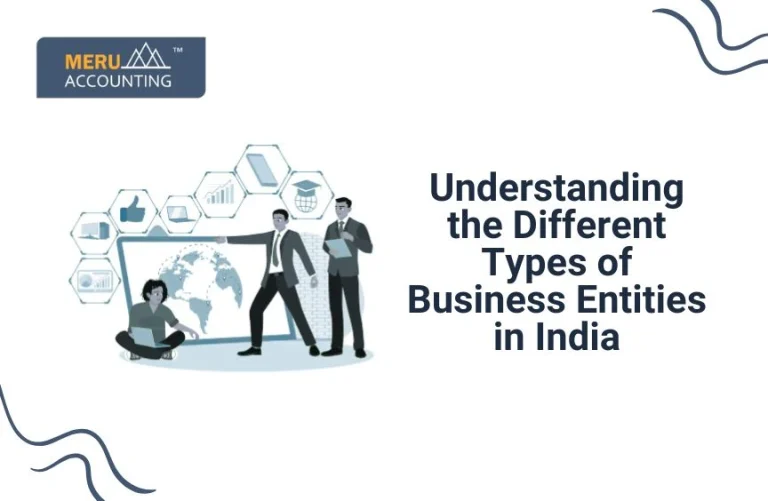
People in India have ideas they want to sell things or give services. But before they begin, they need to choose how their business will run. This choice is called a business structure.
There are many types of business entities in India. Each type has its own rules, costs, and paperwork. Some are good for small shops. Others are better for big companies. Picking the right type is very important. It helps with taxes, money, and growth.
In this blog, we will learn about the business types in India, what business structure in India means, and why this choice matters.
What Is a Business Structure in India?
Business structure in India is like picking a shape for your company. The shape you pick tells the law how your business will work.
This structure decides:
- Who owns the business
- Who makes choices
- Who pays the taxes
- Who takes the risk if the business loses money
In India, there are many ways to set up your business. Some are easy and cheap to start. Some take more time but give you more safety and growth. Now let’s look at the main types of business entities in India.
Types of Business Entities in India
1. Sole Proprietorship
This is the simplest business type in India. One person owns and runs the business. They make all the choices. They also keep all the profits.
Good for:
Small shops, home-based work, or local services
Pros:
- Easy to start
- Low cost
- Full control
Cons:
- The owner pays all the debts
- Hard to get loans
- Ends if the owner quits or dies
2. Partnership Firm
This type has two or more people working together. They share the work, the money, and the risk. There are two kinds:
- General Partnership
- Limited Liability Partnership (LLP)
Good for:
Family businesses, service firms, or friends starting a venture
Pros:
- Easy to form
- More ideas and money
- Shared work
Cons:
- Fights between partners can hurt the firm
- Each partner can be held responsible
Note: LLP is safer. In an LLP, your loss is only up to what you put in.
3. Private Limited Company
This business type in India is for people who want to grow big. A private limited company is a legal person. It is separate from its owners.
Good for:
Startups, tech firms, or any business that wants to grow fast
Pros:
- Limited risk
- Easy to raise money from others
- Seen as more trusted
Cons:
- More rules
- More money and time to start
- Need to file reports each year
4. Public Limited Company
This is for very large businesses. It can sell shares to the public. Anyone can buy a small part of the company.
Good for:
Big brands, listed companies, or firms with many workers
Pros:
- Can raise lots of money
- Public trust
- Can trade on stock market
Cons:
- Many rules and reports
- Needs a lot of money to start
- Owners lose some control
5. One Person Company (OPC)
One person company is what it means and also it is a new and a first type in India. It’s like a private limited company but for just one person.
Good for:
Solo entrepreneurs who want limited risk
Pros:
- Full control
- Less paperwork than a private limited company
- Limited risk
Cons:
- One person only
- Not easy to raise funds
- Needs to follow some company laws
6. Section 8 Company
It is used for non-profits, charities, or social causes.
Good for:
Charity groups, education groups, or social work
Pros:
- Tax benefits
- Legal support
- Helps society
Cons:
- Cannot earn profit for self
- Needs approval
- Lots of paperwork
How to Choose Types of Business Entities in India
Picking the right business structure in India helps your business grow and stay safe. Here are easy tips to help you choose from the many types of business entities in India:
1. Know What Your Business Will Do
Think about what your business will sell or build. This helps you pick the best business type in India.
2. Count the People Involved
Will you run the business alone or with others?
- If it’s with one person then go with sole proprietorship or One Person Company.
- There are groups of people then go with partnership, LLP, or private limited companies.
3. Think About Risk and Safety
Some business types in India have more safety.
- A sole owner takes all the risk.
- In a company, the risk is shared or limited.
Pick the one that keeps your money safe.
4. Look at Rules and Workload
Some types of business entities in India are simple and need less paperwork.
Others, like companies, need more reports
5. Plan for the Future
If you want to grow big and get investors, a private limited company or LLP is better.
They make it easy to raise money and hire people.
6. Check the Tax Rules
Choose the one that helps you pay the right amount, not too much.
7. Ask an Expert
If you’re not sure, talk to a business expert like Meru Accounting.
We know all about business types in India and can help you choose the right one.
Choosing the right business structure in India is a big step. It shapes how your business works and grows. Some people want to start small. Others plan to grow big. That is why India has many different business types in India.
Each of the types of business entities in India has pros and cons. You need to think about cost, rules, taxes, and risk. If you’re not sure what to pick, you don’t have to worry.
Meru Accounting can help you as we know all about these business types. We can guide you to pick the right one and also offer tax and accounting help.
FAQs
- Can a student open a business in India?
Yes! A student over 18 years old can start a business. They can try a sole proprietorship or even register a company. - What is the best business type for a startup?
A private limited company or LLP is best for startups. They are good for getting money from investors. - Is a One Person Company the same as a sole proprietorship?
No. A One Person Company is more like a private company. It follows company rules and has limited risk. A sole proprietorship is owned by one person but has more risk. - What documents are needed to start a business in India?
You need ID proof, address proof, a PAN card, and sometimes a bank account or office address. - Does Meru Accounting help with setting up a business?
Yes! Meru Accounting helps you pick the right business type, file papers, and follow rules. We also offer full tax and book help.