A virtual accounting assistant gives businesses a practical way to expand finance operations without the high cost of hiring additional full-time employees. Growing companies often manage increasing bookkeeping tasks, reporting needs, invoice processing, and financial tracking requirements, which can create pressure on internal teams and increase operating expenses.
Remote accounting professionals manage daily finance activities, organize accounting information, maintain records, and support reporting requirements. Through connected systems and structured workflows, businesses can improve coordination and manage accounting tasks more efficiently.
Small businesses and growing companies can access flexible finance support based on workload requirements without expanding permanent staff. This approach helps organizations control costs while maintaining reliable accounting processes and focusing on important business goals.
What You Will Learn From This Blog
- How a virtual accounting assistant supports growing finance teams.
- Why businesses choose remote accounting support over full-time hiring.
- How cloud accounting services connect financial tasks and teams.
- Which accounting activities can be managed remotely.
- How businesses can reduce finance costs with flexible support.
- How to select the right accounting assistant for business needs.
Role And Responsibilities Of A Virtual Accounting Assistant
A virtual accounting assistant manages various finance activities remotely while working with business owners, accountants, and finance teams. Their role depends on company requirements, industry needs, and accounting processes.
These professionals provide regular accounting assistance without requiring physical office space. Businesses can assign specific tasks based on workload, deadlines, and financial goals.
Managing Daily Bookkeeping Activities
A remote accounting professional handles regular bookkeeping tasks such as recording transactions, categorizing expenses, and maintaining account information. Accurate bookkeeping gives businesses a clear view of their financial position.
Daily bookkeeping also reduces errors caused by delayed entries. Organized records allow business owners and accountants to review financial details when making important decisions.
Handling Accounts Payable And Receivable Tasks
Managing payments and invoices is an important responsibility for finance teams. Accounting professionals track bills, prepare payment records, and monitor customer invoices.
Proper invoice management improves cash flow visibility. Businesses can identify pending payments and maintain better relationships with vendors and customers.
Preparing Financial Reports
Financial reports provide important information about business performance. Accounting professionals prepare reports such as profit and loss statements, expense summaries, and account reports.
These reports allow management teams to understand income patterns, spending areas, and financial changes. Accurate reporting also supports better planning.
Maintaining Accounting Software Records
Accounting software requires regular updates to keep financial information accurate. Professionals work with platforms such as QuickBooks Online, Xero, and other accounting systems.
Updated accounting systems allow teams to access financial information from different locations. This creates better coordination between business owners, accountants, and finance professionals.
Supporting Financial Data Organization
Financial documents need proper organization for reporting, tax preparation, and audits. Accounting professionals maintain invoices, receipts, statements, and transaction records.
Well-organized financial data reduces the time required to locate important documents. Businesses can prepare reports and compliance documents more efficiently.
How A Virtual Accounting Assistant Supports Cost-Effective Finance Team Growth
Growing a finance team requires careful planning. Businesses need accounting support that matches their current needs without creating unnecessary expenses. Remote accounting professionals provide flexibility by allowing companies to increase support based on workload, financial goals, and operational requirements.
Provides Flexible Finance Support
Business requirements change throughout the year. Some months may require additional bookkeeping assistance, while other periods may have lower accounting activity.
Companies can adjust support levels according to business needs. This flexibility allows organizations to manage expenses while maintaining accounting quality and consistent financial processes.
Reduces Hiring And Training Expenses
Hiring internal accounting staff requires recruitment costs, employee benefits, office resources, and training time. These expenses can become challenging for small and growing businesses.
Outsourced accounting support reduces many fixed employment costs. Companies can access accounting expertise without investing heavily in additional infrastructure or long-term staffing commitments.
Allows Teams To Focus On Growth Activities
Finance teams often spend significant time completing routine accounting work. Outsourcing repetitive tasks gives internal employees more time for analysis, planning, and business development activities.
Professional accounting support manages operational finance duties while internal teams focus on responsibilities that require strategic attention and decision-making.
Provides Access To Skilled Accounting Professionals
Finding qualified accounting employees can be difficult in competitive job markets. Remote accounting solutions allow businesses to work with professionals who have experience in different accounting functions.
Skilled professionals can manage bookkeeping, reconciliations, reporting, and transaction reviews based on specific business requirements.
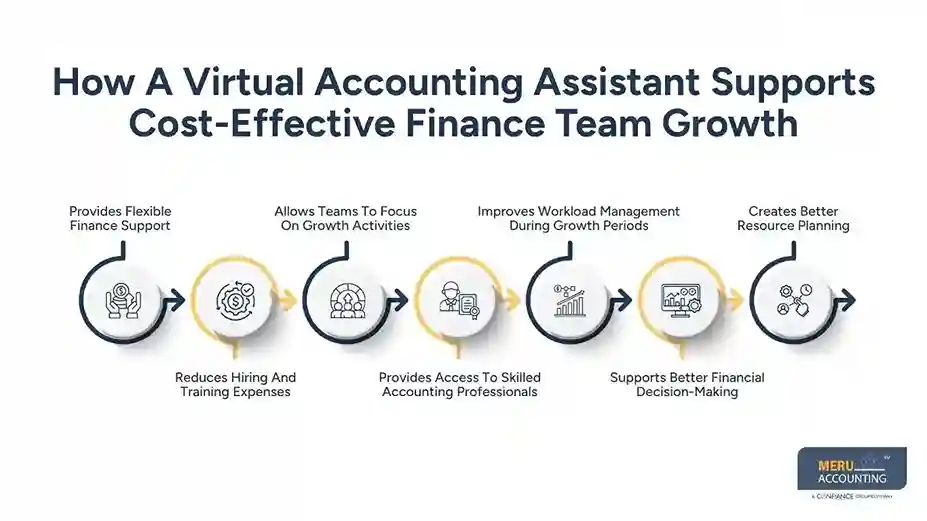
Improves Workload Management During Growth Periods
Growing companies often experience sudden increases in financial tasks due to higher sales, new customers, or business expansion. Managing these changes with limited staff can affect productivity and reporting timelines.
Additional accounting capacity allows businesses to handle increased workloads while maintaining proper financial organization and timely reporting.
Supports Better Financial Decision-Making
Accurate financial information is important for making effective business decisions. Delayed records or incomplete reports can limit a company’s ability to understand performance.
Reliable accounting support maintains updated financial information and prepares useful reports. Business owners can review financial data and make decisions with greater confidence.
Creates Better Resource Planning
Businesses need predictable financial management as they grow. A virtual accounting assistant provides additional support without forcing companies to expand permanent staff immediately.
This approach allows companies to plan resources carefully, control expenses, and maintain accurate financial operations as business needs increase.
Cost Benefits of Hiring a Virtual Accounting Assistant
Hiring additional finance employees increases costs through salaries, benefits, workspace, equipment, and training. Remote accounting support provides flexible solutions based on business requirements.
Companies can manage finance operations without increasing fixed expenses. This approach works well for startups, small businesses, and growing organizations.
Reduces Fixed Employee Expenses
Full-time employees require salaries, benefits, paid leave, and workplace resources. Remote accounting support allows businesses to access professional assistance without permanent staffing costs.
Lowers Operational Costs
Expanding internal teams requires additional software, equipment, and office resources. Remote accounting solutions reduce these expenses through online systems and flexible service models.
Provides Support Without Long-Term Commitments
Business workloads change based on seasons, projects, and growth stages. A virtual accounting assistant allows companies to increase or reduce support when needed.
Improves Accounting Efficiency
Accounting delays can create reporting issues and payment problems. Professional accounting assistance keeps financial activities organized and reduces correction time.
Offers Better Value For Growing Companies
Growing businesses need accounting expertise without building large finance departments. Remote support provides professional assistance while maintaining better budget control.
How Cloud Accounting Services Improve Virtual Finance Management
Modern businesses need reliable systems to manage financial information from different locations. Cloud accounting services allow secure access, storage, and management of accounting data online.
When combined with a virtual accounting assistant, these platforms create connected finance processes. Teams can manage accounting tasks with better coordination and accuracy.
Provides Real-Time Financial Access
Online platforms allow businesses to access updated financial information without manual document sharing. Accounting professionals can review transactions, update records, and prepare reports through secure systems.
Simplifies Team Collaboration
Cloud accounting services allow owners, accountants, and managers to access shared financial information. Better collaboration reduces communication gaps and improves workflow coordination.
Strengthens Data Security
Cloud platforms include security features such as permissions, backups, and controlled access. Businesses can manage financial information while reducing document storage risks.
Supports Remote Accounting Work
Cloud accounting services allow professionals to complete accounting tasks from different locations. A virtual accounting assistant can manage records, reports, and reviews remotely.
Helps Maintain Organized Financial Records
Cloud systems store invoices, transactions, and reports in structured formats. Businesses can quickly locate financial information when required.
Key Accounting Tasks Managed By a Virtual Accounting Assistant
A virtual accounting assistant manages different accounting activities based on business needs. These services allow companies to maintain organized financial operations without expanding internal teams.
Bank Reconciliation
Accounting professionals compare bank statements with company records to identify errors or missing entries. Regular reviews provide better understanding of available funds and financial accuracy.
Invoice Management
Accounting assistants prepare invoices, track payments, and monitor outstanding balances. Proper invoice management supports better cash flow tracking and customer payment follow-up.
Expense Tracking
A virtual accounting assistant records expenses, reviews receipts, and categorizes transactions. Organized expense tracking provides clearer information about business spending.
Payroll Accounting Support
Accounting assistants organize payroll records and review related financial entries. Businesses can maintain accurate payroll information while reducing administrative work.
Financial Report Preparation
Financial teams prepare summaries covering income, expenses, and cash flow activities. These reports provide valuable insights that support better planning and informed business decisions.
Why Businesses Choose a Virtual Accounting Assistant Over In-House Staff
Many businesses compare internal hiring with outsourced accounting support before expanding finance operations. A virtual accounting assistant offers flexible solutions for changing business needs.
Offers Greater Hiring Flexibility
Internal hiring creates long-term commitments and fixed expenses. Remote accounting support allows businesses to adjust services according to workload requirements.
Provides Access To Wider Talent
Local hiring may limit available accounting professionals. Remote support gives businesses access to skilled professionals with different accounting experiences.
Reduces Management Responsibilities
Managing employees requires supervision, training, and performance reviews. Outsourced accounting support reduces administrative responsibilities for business owners.
Supports Business Expansion
Growing companies require accounting systems that can handle increased transactions. A virtual accounting assistant provides additional support during expansion periods.
Maintains Professional Accounting Standards
Experienced accounting professionals follow structured processes for records and reporting. Businesses can maintain reliable accounting practices with expert support.
How To Choose The Right Virtual Accounting Assistant For Your Business
Selecting the right accounting professional is important for maintaining accurate financial operations. Businesses should review skills, experience, and technology knowledge before hiring support.
Review Accounting Experience
Businesses should choose professionals with bookkeeping, reporting, and reconciliation experience. Industry knowledge allows assistants to understand specific financial requirements.
Check Software Knowledge
Businesses should confirm experience with platforms like QuickBooks Online and Xero. Knowledge of cloud accounting services supports better remote finance management.
Evaluate Communication Skills
Clear communication helps remote teams coordinate accounting activities effectively. Businesses should select assistants who provide updates and maintain proper documentation.
Understand Data Security Practices
Financial information requires careful protection and controlled access. Businesses should review security procedures before sharing accounting records.
Select A Trusted Accounting Partner
Experienced accounting providers follow documented processes and quality checks. Choosing a reliable partner ensures consistent financial support.
Industries That Benefit From Virtual Accounting Assistants
Businesses across different industries require accurate financial records and timely accounting support. Remote accounting professionals provide flexible solutions based on specific finance requirements.
Real Estate Businesses
Real estate companies manage property income, expenses, and transaction records regularly. Accounting professionals organize financial data and support accurate reporting.
E-Commerce Companies
E-commerce businesses handle high transaction volumes, refunds, and payment records. Accounting support helps manage entries, reconciliations, and financial tracking.
Professional Service Firms
Consultants and service firms require proper billing and expense management. Accounting professionals help maintain organized financial records and reporting.
Healthcare Organizations
Healthcare providers manage payments, expenses, and operational financial records. Accounting support assists with accurate bookkeeping and financial data organization.
Startups And Growing Businesses
Startups need flexible finance support while managing limited budgets. Remote accounting assistance provides expertise without increasing full-time hiring costs.
Nonprofit Organizations
Nonprofits require clear records for donations, expenses, and reporting needs. Accounting assistance helps maintain accurate financial information and transparency.
Manufacturing And Distribution Companies
Manufacturing firms manage inventory costs, supplier payments, and business expenses. Accounting support helps track transactions and maintain financial accuracy.
Small Businesses Across Different Sectors
Small businesses often need accounting support without expanding internal teams. Professional assistance manages routine tasks and maintains financial organization.
Scale Your Finance Operations With Meru Accounting Support
Meru Accounting helps US and international businesses access skilled accounting professionals without increasing internal payroll costs. Our team supports bookkeeping, reconciliations, reporting, payroll assistance, and cloud accounting workflows using platforms such as Xero and QuickBooks Online.
We combine accounting knowledge with modern technology to deliver organized financial services. Our experience with platforms such as Xero and QuickBooks Online allows businesses to manage accounting activities efficiently.
Companies working with Meru Accounting receive access to skilled professionals without the cost of expanding a large internal finance department. Our structured workflow, quality reviews, and industry experience help businesses maintain accurate financial records.
Through cloud accounting services, we connect businesses with reliable accounting support while allowing owners to focus on growth activities. Our approach is designed for companies seeking professional assistance, better processes, and cost control.
Our Expert Perspective
At Meru Accounting, we understand that finance team growth requires a balance between cost management and accounting accuracy. Many businesses struggle when financial tasks increase faster than their internal resources.
Our experience shows that flexible accounting support allows companies to manage changing workloads without unnecessary hiring pressure. A well-trained virtual accounting assistant can handle routine finance responsibilities while business leaders focus on important decisions.
Strong accounting processes, proper technology use, and experienced professionals create a dependable finance structure. Businesses that choose the right support model can maintain better financial control while preparing for future growth.
Key Takeaways
- A virtual accounting assistant provides flexible finance support for growing businesses.
- Businesses can reduce hiring costs by choosing remote accounting solutions.
- Cloud accounting services allow teams to access financial information easily.
- Accounting assistants can manage bookkeeping, reports, invoices, and reconciliations.
- Remote finance support allows companies to scale without large fixed expenses.
- Choosing experienced accounting professionals improves financial workflow.
- Meru Accounting provides reliable accounting support for growing businesses.
FAQs
A virtual accounting assistant manages accounting tasks remotely. The role may include bookkeeping, invoice tracking, bank reconciliation, expense recording, and financial report preparation.
Businesses hire a virtual accounting assistant to reduce costs and receive professional accounting support. It allows companies to manage finance tasks without hiring additional full-time employees.
Cloud-based platforms provide access to financial information from different locations. Remote finance support can update records, prepare reports, and manage daily accounting activities through these systems.
Yes, small businesses can use a virtual accounting assistant to manage daily accounting needs. It provides access to accounting support without the expense of creating a large finance department.
Businesses should check accounting experience, software knowledge, communication skills, and security practices. Choosing a reliable professional ensures better financial management and accurate records.