
Construction and contracting businesses handle many moving parts every day. Projects run across different sites, workers need payment, material costs keep changing, and deadlines affect profit. In such situations, bookkeeping professionals help firms maintain clear records and keep financial details organized. Without proper records, contractors may face cost gaps, billing issues, delayed payments, and poor planning.
Construction firms often manage many projects at one time, making financial tracking a key part of business growth.
A construction company may earn revenue from several jobs while also handling subcontractor costs, labor charges, permits, and equipment expenses. Small errors can slowly create major losses. This is why many construction businesses rely on services from a professional bookkeeper to maintain accurate records and improve financial management.
What You Will Learn From This Blog
- The role of bookkeeping professionals in construction businesses
- Common money-related issues contractors face
- Ways bookkeeping support improves project cost control
- Why job costing matters in construction work
- How cash flow affects construction projects
- How Services From a Professional Bookkeeper Support Daily Construction Operations
- How construction firms make better choices with financial records
- How Meru Accounting helps construction and contracting firms
Understanding The Role Of Bookkeeping Professionals In Construction
Financial Record Management
Construction firms create invoices, purchase materials, pay workers, and manage project expenses daily. Bookkeeping professionals organize these records and maintain accurate financial reports.
Expense Tracking
Every construction project includes labor, transport, tools, and material costs. Bookkeeping professionals help classify and monitor these expenses to reduce confusion.
Payroll Support
Construction companies often manage full-time staff and contract workers. Services from a professional bookkeeper support payroll record management and improve payment tracking accuracy across different workforce types.
Tax Record Preparation
Construction businesses must maintain proper records for taxes and compliance. Clear bookkeeping helps avoid filing errors and missing documents.
Project-Based Reporting
Unlike many businesses, contractors work on project-specific income and expenses. Bookkeeping professionals help prepare reports based on each project.
Financial Review Support
Construction firms need regular reviews of project spending and profit trends. Proper bookkeeping records help management understand business performance.
Major Financial Challenges Faced By Construction And Contracting Businesses
Changing Material Costs
Prices of cement, steel, wood, and other materials may change during projects. Sudden price shifts can affect project profit.
Delayed Client Payments
Contractors often receive payments in stages. Delays may create cash shortages and affect ongoing work.
Multiple Job Sites
Managing costs across several locations becomes difficult without proper systems and tracking methods.
Tracking labor, materials, and equipment across sites becomes harder when records are not updated regularly.
Labor Cost Variations
Construction work often includes subcontractors, temporary staff, and seasonal workers. Labor expenses may rise suddenly due to workforce shortages or overtime work. Changing labor demands can affect budgets and reduce overall project profitability.
Equipment Expenses
Heavy equipment requires fuel, repairs, maintenance, and rental cost management. Missing equipment records can create budgeting problems and increase financial confusion. Unexpected repair costs may delay work and increase total project spending.
Weak Financial Tracking
Many firms struggle when records remain incomplete. Bookkeeping professionals help reduce financial gaps and improve reporting.
According to the U.S. Small Business Administration, poor cash management remains one of the leading reasons businesses face financial stress. Good record management helps reduce these risks.
How Bookkeeping Professionals Help Improve Project Cost Control
Tracking Project Expenses
Construction projects involve many small and large expenses. Bookkeeping professionals monitor spending to avoid hidden costs.
Comparing Budget And Actual Costs
Project budgets often change during different stages of construction project work. Financial records help compare planned expenses with actual project spending amounts. This comparison helps managers identify cost differences and improve future planning.
Monitoring Labor Spending
Labor costs may increase when projects continue longer than expected timelines. Accurate reports help track labor expenses and identify unexpected spending changes. Regular labor reviews help businesses manage workforce costs more effectively.
Identifying Cost Patterns
Repeated spending trends become easier to notice through organized financial records. Cost patterns help managers understand where unnecessary spending occurs frequently. Early identification helps construction firms control costs before expenses increase further.
Managing Purchase Records
Construction businesses buy materials from many suppliers for different projects. Many construction firms hire a professional bookkeeper for accounting and bookkeeping services to keep purchase records organized and improve tracking of business spending.
Improving Cost Visibility
Clear financial reports help managers understand project spending across business operations. Detailed records show where money moves during construction project activities daily. Better visibility helps firms make informed decisions and improve financial control.
The Importance Of Accurate Job Costing For Contractors
Project Profit Measurement
Job costing helps contractors understand the profit earned from each project. Profit tracking helps firms identify projects with strong financial performance.
Labor Allocation
Contractors need to know the labor costs for each project. Bookkeeping professionals help assign labor expenses to correct project records.
Material Cost Tracking
Material costs often change during project work. Job costing helps maintain cost accuracy across ongoing construction activities.
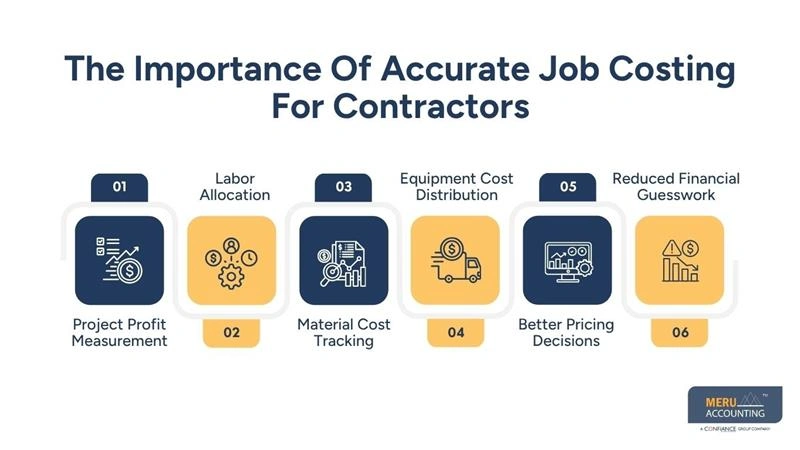
Equipment Cost Distribution
Equipment expenses should be linked to project use. This process creates more accurate and organized financial project records.
Better Pricing Decisions
Past project cost records help estimate future project pricing. Historical records support better planning and realistic project cost estimates.
Reduced Financial Guesswork
Accurate records help contractors rely on real data instead of assumptions. Better financial visibility helps reduce confusion during project decision-making.
How Professional Bookkeeping Service Supports Daily Construction Operations
Invoice Management
Construction firms send many invoices to clients during project work. Services provided by a professional bookkeeper support payment tracking and maintain invoice accuracy.
Vendor Record Support
Contractors work with many vendors and suppliers during construction projects. Organized records help reduce confusion and improve vendor payment management.
Payroll Assistance
Construction workers often work across multiple locations and project sites. Payroll records help maintain payment accuracy for workers and contractors.
Expense Recording
Daily business spending should be recorded on time and accurately. Missing expenses can create reporting gaps and affect financial statements.
Document Organization
Contracts, receipts, and payment records should remain organized and accessible. Well-organized documents help reduce delays during audits and financial reviews.
Financial Report Preparation
Regular financial reports help construction owners monitor overall business health. Reports provide insights into project spending and financial performance.
Through daily support activities, bookkeeping professionals help construction businesses maintain order and reduce record issues.
How Professional Bookkeeping Service Helps Construction Firms Make Better Decisions
Profit Trend Analysis
Financial reports help firms understand project earnings over time. Regular profit reviews conducted by bookkeeping professionals help identify strong and weak-performing projects. Profit trends also support future planning and financial goal setting.
Cost Review
Services from a professional bookkeeper help construction businesses review spending and identify financial problem areas. Cost reviews allow businesses to control unnecessary spending across different projects. Regular analysis improves budgeting decisions and reduces financial waste.
Resource Planning
Contractors can plan labor and equipment needs based on project data. Resource planning helps avoid shortages during active construction project phases. Better planning supports smooth project work and efficient resource use.
Future Project Estimation
Historical financial records help estimate future project budgets. Past project data improves cost planning for similar future projects. Accurate estimates help firms create realistic project pricing strategies.
Business Growth Planning
Construction firms need clear records before expanding operations. Financial reports prepared by bookkeeping professionals help owners understand growth opportunities and business readiness. Strong records support expansion plans and long-term business decisions.
Why Construction Firms Choose Meru Accounting
Construction businesses need more than basic bookkeeping support. They require systems that understand project costs, job tracking, labor expenses, and contractor reporting needs. At Meru Accounting, our bookkeeping professionals provide bookkeeping and accounting support designed for construction and contracting businesses.
Project-Wise Financial Support
Our team helps track project income and expenses separately. This process helps contractors monitor project performance with better accuracy.
Job Cost Reporting
We support construction firms with detailed project cost records. Clear job reports help businesses understand project spending and profit levels.
Cash Flow Monitoring
We help businesses maintain healthy cash flow. Regular monitoring helps firms manage expenses and avoid cash shortages.
Payroll And Vendor Record Support
Construction firms often handle large payment volumes. We assist with organized records. Proper records help improve payment tracking and reduce reporting confusion.
Software Support
Meru Accounting works with leading accounting systems and cloud-based solutions. Our team helps businesses use software tools for better financial management.
Experienced Industry Team
Our bookkeeping professionals understand construction bookkeeping processes and contractor financial needs. Industry knowledge helps us provide support based on practical business requirements.
Our Expert Perspective
Based on our experience in outsourced accounting and bookkeeping support, we often observe a common pattern across construction businesses. Financial challenges usually begin when project costs are not tracked properly or when records become difficult to manage. Clear financial visibility from the early stages helps firms improve control, reduce reporting gaps, and avoid larger business issues later.
Key Takeaways
- Construction businesses handle many changing costs and project records
- Bookkeeping professionals help maintain financial accuracy
- Organized records improve project cost control
- Job costing supports better pricing and profit tracking
- Cash flow management remains important in construction work
- Better records help firms make informed business choices
- Meru Accounting offers construction-focused bookkeeping support
FAQs
Bookkeeping professionals record expenses, track payments, and maintain project financial records. They help contractors stay organized.
Job costing shows the true cost and profit of each project. It helps improve pricing and project planning.
Contractors often need profit and loss reports, cash flow reports, balance sheets, and job cost reports. These reports support better planning.
Projects often receive payments in stages while expenses continue daily. Delays can create cash shortages.
Yes. Clear financial records help small firms control costs and plan business growth effectively.