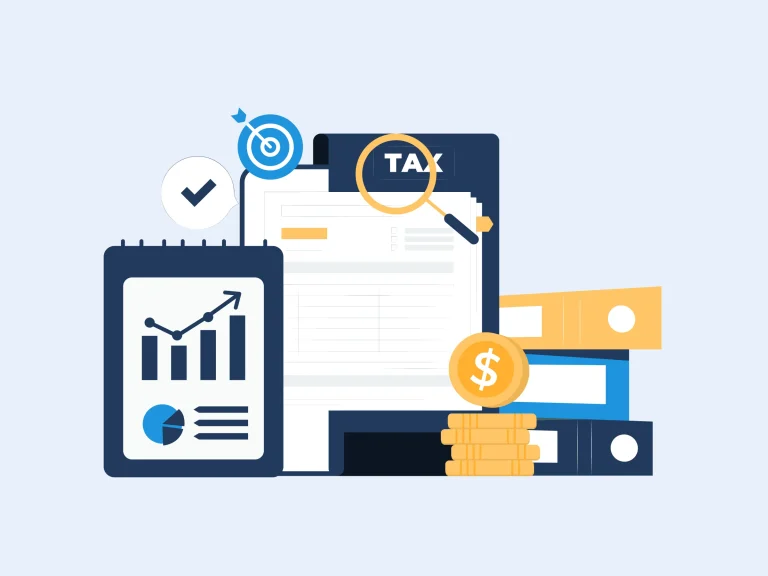
Business tax for small business planning should begin well before the tax filing date. A clear plan can give owners a better view of income, costs, records, tax payments, and filing needs. Tax work is not only about filling out forms at year-end. It starts with the way a firm is set up, how money is tracked, and how records are kept.
For many owners, tax work can feel hard because several duties may apply at once. Income tax, estimated tax, payroll tax, self-employment tax, sales tax, and state tax may all need review. The right duties depend on the type of firm, its workers, its income, and where it does business.
A sound business tax for small businesses also keeps tax work tied to daily financial records. When books are kept up to date, owners have a better base for tax review. The IRS states that the business structure can affect which federal income tax return a business must file.
Tax planning should not focus only on finding ways to lower a tax bill. The main aim should be to report income with care, claim valid costs, pay what is due, and keep proof for each tax claim. A good plan can also give owners more time to act when rules or business facts change.
What You Will Learn From This Blog
- How to build a clear plan for business tax for small businesses from the start.
- Why the legal structure can affect federal tax filing.
- How small business tax rules can vary by business type.
- Which taxes a small firm may need to track.
- How valid tax deductions can affect taxable income.
- Which tax records and files should be kept.
- How common tax mistakes can create extra cost or risk.
- When professional tax help may be useful for a growing firm.
Business Tax Strategy for Small Businesses: Where to Start
A useful strategy for business tax for small businesses starts with basic facts. Owners should know their legal structure, income sources, major costs, workers, assets, and places of operation. Those facts form the base for deciding which tax duties need attention.
Know Your Business Structure
Start by confirming how the business is formed. A sole proprietorship, partnership, corporation, S corporation, or LLC can have different federal tax treatment. The IRS notes that the form of a business affects the income tax return it must file.
Track Income All Year
Record sales and other business income throughout the year. Do not wait until tax season to rebuild income from bank statements. Monthly records make it easier to find missing sales, wrong entries, and unpaid invoices.
Review Business Costs
Keep a clear record of costs tied to business work when managing requirements for business tax for small businesses. Rent, wages, supplies, fees, travel, and other costs should be recorded as they occur. Each claim should have enough proof to show what was paid and why.
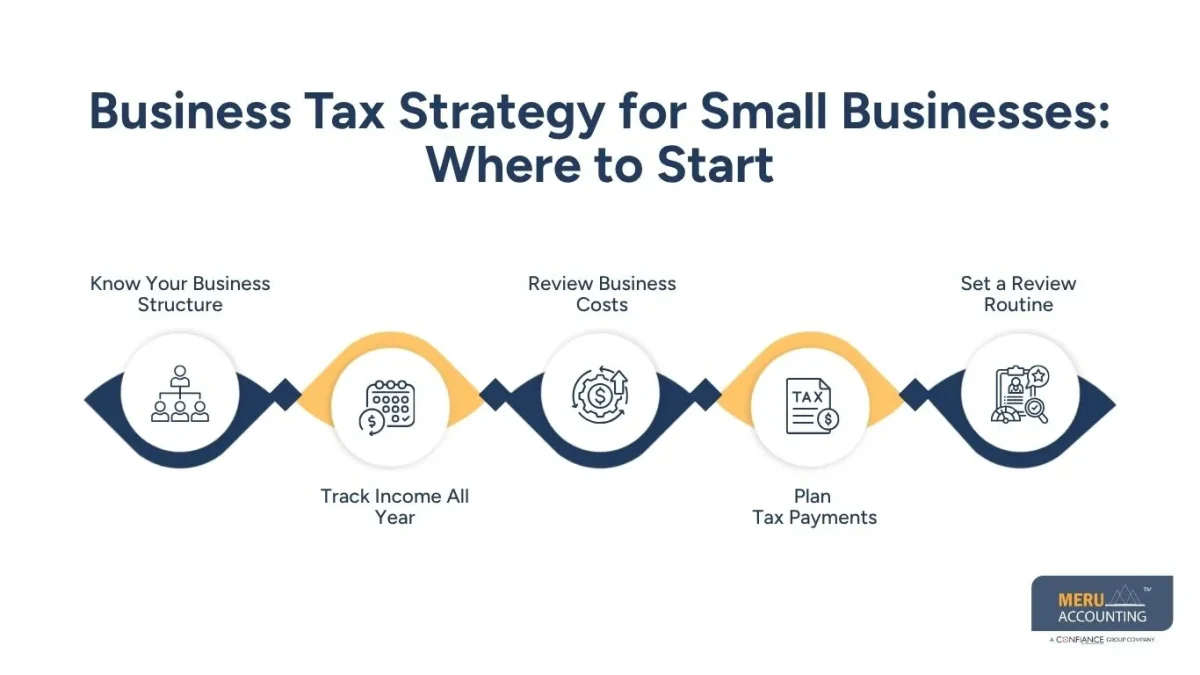
Plan Tax Payments
Tax payments should be part of cash planning. Some self-employed people may need quarterly estimated tax payments because federal income tax works on a pay-as-you-go basis.
Set a Review Routine
Set a fixed time each month to check income, costs, bank data, payroll, and tax records. A monthly review can catch errors while the details are still fresh. It also gives the owner time to fix gaps before filing.
How Business Structure Affects Small Business Taxes
Business structure is a key part of business tax for small business planning. The legal form can affect how income is reported, which forms are filed, how owners receive money, and which tax duties may apply.
Sole Proprietorship
A sole proprietor owns an unincorporated business alone. Business income and costs are generally reported on the owner’s individual return, often through Schedule C. Self-employment tax may also apply.
Partnership
A partnership has two or more owners. The partnership generally files an information return, while each partner reports their share of income, deductions, and other items. Business tax for small business decisions can also depend on the partnership agreement and each partner’s tax position.
C Corporation
A C corporation is treated as a separate taxpayer for federal income tax. The company may pay corporate tax, while owners may face tax when certain profits are paid to them. A corporation can therefore need a more detailed tax plan.
S Corporation
An S corporation can pass certain income, deductions, and credits through to its shareholders. Payroll and owner compensation also need close review. Owners should get professional advice before choosing this structure.
Limited Liability Company
For business tax for small business planning, owners should review how the LLC will be classified for federal tax purposes. A single-member LLC may be treated as part of the owner’s return, while a multi-member LLC is generally treated as a partnership unless an election changes its classification.
Understanding Small Business Tax Rules and Requirements
Knowing small business tax rules is important before making tax choices. Rules can differ based on business structure, income, workers, location, and type of work. Federal rules are only one part of the full tax picture.
Income Tax Requirements
Most businesses must report taxable income each year. The form used depends on the business structure. Owners should review the correct filing form rather than copy the process used by another business.
Estimated Tax Requirements
Estimated tax payments can also form part of business tax for small business planning. The IRS states that self-employed people generally pay income tax and self-employment tax and may need to make quarterly payments.
Self-Employment Tax
Self-employment tax mainly covers Social Security and Medicare taxes for people who work for themselves. The IRS generally requires self-employment tax when net earnings from self-employment reach $400 or more.
Payroll Tax Requirements
A firm with employees can have duties for federal income tax withholding, Social Security, Medicare, and unemployment tax. Worker status also matters because employees and independent contractors are treated differently for tax purposes.
State and Local Requirements
Federal tax does not cover every duty. Business tax for small businesses can also include state and local tax obligations. State and local tax rules can apply based on sales, staff, property, or business activity. A firm that works in more than one state should review its obligations in each location.
Common Business Taxes Small Businesses May Need To Pay
The tax mix is another major part of business tax for small business planning. Not every firm pays every tax. A solo consultant, retail shop, online seller, and firm with employees can have very different tax needs.
Federal Income Tax
Federal income tax is based on the taxable income and structure of the business or owner. The IRS lists income tax as one of the main types of federal business tax.
Estimated Tax
For business tax for small businesses, estimated payments may help owners meet tax duties throughout the year. Self-employed owners may need to use estimated payments to meet their tax duties.
Self-Employment Tax
Self-employment tax applies mainly to people who work for themselves. It covers Social Security and Medicare taxes and is separate from federal income tax.
Employment Tax
Employers may need to withhold and pay several employment taxes. These can include federal income tax withholding, Social Security, Medicare, and FUTA tax.
Excise And Sales Tax
Some businesses may have excise tax duties, while many sellers may need to deal with state or local sales tax. The exact rule depends on the goods, service, and place of sale. State tax agencies should be checked for current requirements.
Tax Deductions Every Small Business Should Know
Tax deductions are an important part of business tax for small business planning. A business should claim only costs that meet the tax rules. The owner should also keep records that show the amount, nature, and business purpose of each cost.
Office Expenses
Office rent, supplies, and certain other costs may qualify when they are tied to business use and meet tax rules. Keep invoices, receipts, and payment records with the books.
Employee Wages
Wages paid to employees can generally be a business expense when the payments are valid and properly recorded. Payroll reports should match wage payments and tax records.
Business Travel
Some travel costs may qualify when the trip meets IRS rules for business travel. Keep details such as dates, locations, business purpose, and proof of payment when needed.
Vehicle Costs
Vehicle deductions can also play a role in business tax for small businesses when business use is properly documented. The IRS provides rules for vehicle expenses, so owners should keep proper mileage and cost records.
Tax Records and Documents Small Businesses Should Keep
Strong records are a core part of business tax for small businesses. The IRS says records should show income and expenses and support the items reported on a tax return.
Sales And Income Records
Keep invoices, sales receipts, deposit records, payment reports, and bank data. These records can show where business income came from and help match sales to the books.
Expense Records
Keep bills, receipts, card statements, invoices, and proof of payment. The IRS notes that a mix of records may be needed to prove all parts of an expense claim.
Bank And Card Records
Bank and card statements can help match money paid and received. Monthly reconciliation can also find missing entries, duplicate entries, and costs placed in the wrong account.
Asset Records
Keep records for equipment, furniture, vehicles, and other business assets. Business tax for small businesses can involve asset-related deductions, depreciation, and gains or losses, making complete records important. Purchase cost, improvements, depreciation, use, and sale data may be needed to work out tax results.
optional anymore
on running the business
Common Business Tax Mistakes To Avoid
Avoiding basic errors can make business tax for small businesses more reliable. Many tax problems start with weak records, missed dates, mixed spending, or claims that do not have enough proof.
Mixing Personal And Business Costs
Keep personal and business spending apart. A separate business account makes transactions easier to trace and gives the tax preparer cleaner data.
Missing Receipts
Receipts provide useful support when preparing business tax for small business filings. Keep receipts, bills, and other proof with the related transaction.
Claiming Unclear Deductions
Do not claim a cost just because it seems related to the business. Check whether the expense meets the applicable tax rule and keep records that support the claim.
Missing Tax Dates
Late returns and late payments can lead to interest or penalties. Keep a tax calendar that covers federal, state, local, payroll, estimated tax, and information-return dates that apply.
Tax Support For Small Businesses From Meru Accounting
Managing business tax for small business needs can take time, especially when owners also manage clients, staff, sales, and daily work. Meru Accounting can assist small firms with tax records, tax data review, filing work, and related accounting needs.
Tax Data Review
Our team can review income, costs, bank data, reports, and source files before key filing steps. A review can make missing data or unusual entries easier to spot.
Clean Financial Records
Tax work starts with clear financial records. Meru Accounting can help organize income, expenses, bank data, and supporting files so tax information is easier to check.
Filing Assistance
Our team can assist with tax filing based on the records and tax needs of the business. We can also review key documents before filing, so owners have a clearer view of the information being reported.
Year-Round Tax Planning
Business tax for small businesses should not be addressed only when a filing date is close. Regular reviews give owners more time to plan for payments, check records, and address changes that may affect their tax position.
Our Expert Perspective
Our experience shows that effective tax planning starts with accurate, up-to-date financial records. Reviewing income, expenses, and tax obligations throughout the year gives small businesses more time to identify errors, manage cash flow, and prepare accurate tax filings. Regular financial reviews also help owners make informed decisions before tax deadlines approach.
Key Takeaways
- Start business tax for small business planning early so you have enough time to review income, costs, records, and tax dates.
- Confirm your legal business structure and understand the tax duties that apply to your specific business type.
- Review small business tax rules before making tax choices, especially for deductions, estimated payments, payroll, and worker status.
- Keep business and personal spending separate, and save receipts, bills, invoices, bank records, and other proof for each transaction.
- Track income and costs through the year, then review possible tax deductions before claiming them on your return.
- Keep federal, state, and local tax dates on a calendar, and maintain asset and payroll records for the required period.
- Seek advice from a qualified tax professional when your business has complex tax needs, several owners, employees, or activity in more than one state.
FAQs
Business tax for small business covers the taxes a firm or owner may owe on income, payroll, sales, or other business activities.
Small business tax rules are tax laws and filing duties that apply to small firms and self-employed people.
A small business may pay income, self-employment, payroll, sales, or excise taxes based on its structure and activities.
A business should keep records of income, expenses, payments, assets, payroll, and other items needed to support its tax return.
A tax professional can be useful when a business has complex tax needs, several owners, employees, or activity across multiple states.
optional anymore
on running the business