A cpa for real estate agents can bring tax work and bookkeeping into one clear plan. Real estate sales can bring many checks, fees, split commissions, mileage costs, ads, dues, and other bills. Good records let an agent see cash flow, spot errors, and file tax data with less stress.
The IRS says business records should show income, expenses, and other key business data and should support the amounts reported on a tax return.
For that reason, cpa for real estate agents work should not start only at tax time. A good process starts when a deal closes and continues through income entry, expense coding, account checks, reports, tax planning, and filing.
What You Will Learn From This Blog
- How a CPA fits into the full bookkeeping and tax cycle.
- How to record commission income and deal costs with clear notes.
- How to keep personal and business costs apart.
- How a real estate accountant and real estate agent bookkeeping fit into tax work.
- How bank and card checks can find errors before tax filing.
- When an agent may need CPA or accounting help.
How Real Estate Agent Bookkeeping Works From Transaction to Tax Filing
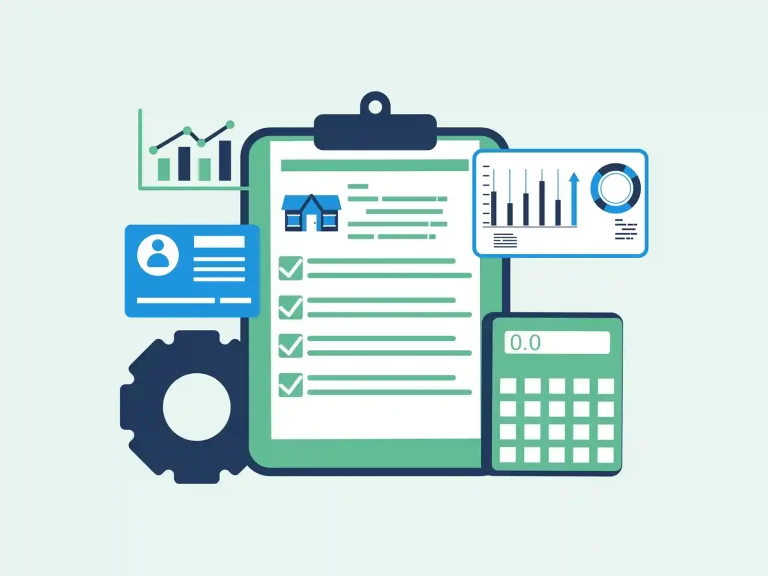
Real estate agent bookkeeping starts with recording each deal, commission, and business cost, then matching deposits and payments with broker statements, bills, and bank records.
Monthly bank and card checks keep the books current, while a real estate accountant can review unclear or missing items. Before tax filing, a cpa for real estate agents reviews income, expenses, assets, and other needed records to ensure the final books are ready for tax work.
Organize Income and Commission Records
Broker Statements
Keep broker or team statements with each deal. Show the gross commission, split, fees, and amount sent to the agent so each deposit has a clear source.
1099 Checks
Match 1099 forms to income records when forms arrive. A cpa for real estate agents can flag a mismatch and check the reason before the tax return is filed.
Deal Codes
Give each closing a simple code or name. A real estate accountant can then trace a fee from the broker report to the bank and book entry with less work.
Referral Fees
Track referral income and fees as separate lines when the records call for it. Keep the related agreement or statement with the entry.
Timing Checks
Record income based on the right accounting and tax rules for the agent’s setup. A cpa for real estate agents should review timing questions when a deal spans year-end.
Track Real Estate Business Expenses
Marketing Costs
Log signs, print ads, listing tools, photo work, and online ads by date and payee. Good real estate agent bookkeeping keeps receipts and notes with the cost.
Travel And Mileage
Keep a trip log with date, start point, end point, purpose, and miles when required. A real estate accountant can review the log and the tax rules that apply.
Office Costs
Track desk fees, phone use, supplies, and other work costs in clear accounts. Keep bills and proof of payment so each cost can be checked later.
Professional Fees
Record legal, tax, bookkeeping, license, and association costs in the right accounts. A cpa for real estate agents can review which costs fit the tax rules.
Equipment And Assets
Laptops, cameras, furniture, and other larger purchases may need a different tax or book treatment than a small supply bill. Keep the bill, date, amount, and use note for review.
The IRS also notes that records for business assets should show details such as the purchase price, date, use, and other facts needed to work out tax treatment.
Separate Personal and Business Transactions
Separate Bank Account
Use a work bank account for business income and bills when practical. A cpa for real estate agents can review a cleaner bank trail with less need to sort mixed items.
Separate Card
A work card can keep business charges in one place. Real estate agent bookkeeping is easier when personal meals, home bills, and work costs do not share the same card.
Owner Draws
Mark money taken for personal use in the books. Do not book an owner draw as a work cost just because the money left the business bank account.
Personal Charges
If a personal item is paid from a work account, flag it and code it as a personal item under the proper setup. A real estate accountant can show how to fix such entries.
Clear Records
Keep notes for mixed or unclear items and do not guess the tax use. A cpa for real estate agents can ask for proof before giving a tax view.
Reconcile Bank and Credit Card Accounts
Match Deposits
Compare bank deposits with broker and commission reports. Real estate agent bookkeeping should not rely on the bank feed alone because one deposit may include more than one deal item.
Match Bills
Check card charges against receipts and bills each month. Missing proof can be flagged while the detail is still easy to find.
Clear Old Items
Review old checks, transfers, and uncategorized items. A real estate accountant can list items that need a reply or a source file before close.
Check Transfers
Mark transfers between work accounts as transfers, not income or cost. Clear transfer coding keeps reports from showing false sales or inflated spend.
Close The Month
Finish the bank and card match before the month is closed. A cpa for real estate agents can then work from reports that tie to cash data.

optional anymore
on running the business
Categorize and Review Real Estate Transactions
Use Clear Accounts
Build a chart of accounts that fits the agent’s work. Real estate agent bookkeeping gets easier when ads, dues, travel, office costs, and fees have clear places.
Review Large Costs
Look at large or rare costs apart from normal bills. A cpa for real estate agents can check whether an item needs special book or tax treatment.
Check Vendor Names
Use clear payee names and notes. A real estate accountant can trace a charge faster when the vendor and purpose are not hidden in vague labels.
Review Split Fees
Check broker splits, team fees, and other deal charges against the source statement. Small coding errors can change the income shown in the books.
Fix Errors
Correct wrong entries with a clear audit trail rather than deleting history without a note. Real estate agent bookkeeping should show what changed and why when records are revised.
Prepare Financial Reports for Tax Planning
Profit And Loss
A profit and loss report shows income and costs for a set period. A cpa for real estate agents can use it to see net business results and compare them with prior periods.
Cash Flow
Cash flow shows when money comes in and goes out. A real estate accountant can use cash data to flag months when tax payments or large bills may strain funds.
Balance Sheet
For agents who need one, the balance sheet shows assets, debts, and equity. The report can give a wider view than a bank balance alone.
Year-To-Date View
Keep a current year-to-date report before tax planning talks. Real estate agent bookkeeping gives the cpa for real estate agents facts for estimates and planning.
Tax Reserve
Set aside cash for expected tax based on advice and actual results. A cpa for real estate agents can review the amount, payment dates, and changes in income.
How a Real Estate Accountant Supports Tax Preparation
Record Cleanup
A real estate accountant can review uncoded items, missing bills, and bank differences before return work starts. The aim is to give the tax pro a clean base.
Tax File
Gather broker reports, 1099 forms, expense records, asset details, and other needed tax data. Good real estate agent bookkeeping keeps the file easy to check.
Tax Questions
A real estate accountant can flag items that need a CPA or tax attorney view. Book staff should not make tax calls beyond their role or training.
Return Tie-Out
A cpa for real estate agents can compare return data with final books and source records. The review can catch income or cost gaps before filing.
Record Storage
Keep final reports, tax forms, receipts, and key statements for the period required by the tax rules that apply. A cpa for real estate agents can advise on records to retain.
The IRS states that supporting documents such as invoices, receipts, deposit records, paid bills, and bank records should support business entries and tax return amounts.
Common Bookkeeping Mistakes Real Estate Agents Should Avoid
Mixing Funds
Mixing work and personal cash makes the books hard to read. Real estate agent bookkeeping is clearer when work funds have a separate path.
Missing Receipts
A bank line alone may not show why a cost was paid. A real estate accountant can ask for a receipt, bill, or note before a cost is treated as a business item.
Wrong Income
Recording only the net broker deposit can hide the gross fee and split. A cpa for real estate agents should review broker statements so income is shown under the right method.
Late Reconciliation
Waiting until tax time creates a large pile of old items. Monthly checks give the agent time to find missing records and fix errors.
Guessing Tax Rules
Tax rules can vary by entity, expense type, and facts. A cpa for real estate agents should review unclear tax points rather than relying on a guess.
When Should Real Estate Agents Hire a CPA or Real Estate Accountant?
New Business
A new agent can set up the books, accounts, and record plan early. A real estate accountant can build a process that fits the agent’s deal flow.
Rising Income
Higher income may bring more tax planning needs and larger cash swings. A cpa for real estate agents can review estimates and tax dates before a cash shortfall occurs.
Complex Deals
Teams, referral fees, multiple states, rentals, or entity ownership can add record needs. A real estate accountant can keep the book structure clear while tax questions go to the CPA.
Tax Notices
A notice from a tax agency needs prompt review. A cpa for real estate agents can read the notice, check the related records, and explain the next step.
Year-End Work
Agents who keep their own books may still hire a cpa for real estate agents for a year-end review or return. A second set of eyes can find gaps before filing.
How Meru Accounting Can Help With Real Estate Agent Bookkeeping
Bookkeeping Setup
Meru Accounting can set up a practical book process for commission income, work costs, bank feeds, and reports. Our team can keep records in a form that is easier to review.
Monthly Bookkeeping
Our real estate agent bookkeeping service can cover transaction coding, bank and card checks, and monthly reports. Regular work keeps tax records closer to the current period.
CPA Coordination
Meru Accounting can prepare organized books and tax-ready reports for the CPA. A real estate accountant can keep source records linked to the related book entries.
Clear Reporting
We can provide profit and loss reports and other agreed reports for review. Clear reports give agents a view of income, costs, and cash needs.
Scalable Process
As deal volume grows, our process can add rules for teams, more accounts, or more entities. A cpa for real estate agents can then review records without starting from mixed files.
Our Expert Perspective
- In our experience, books are much easier to review when each commission and cost can be traced back to a clear source record.
- We find that a monthly review catches missing receipts, wrong entries, and unmatched deposits before they become year-end issues.
- From our work, keeping business and personal spending apart makes transaction review faster and gives a clearer view of actual business costs.
- We have seen that broker statements, receipts, bills, and bank records are most useful when they are saved together rather than collected at tax time.
- Our experience shows that clean monthly books give tax professionals better facts for planning, reviewing income, and preparing the return.
Key Takeaways
- Keep commission, fee, and expense records tied to each deal where practical.
- Use separate work accounts and mark personal items with care.
- Reconcile bank and card accounts each month.
- Keep receipts, broker statements, 1099 forms, and other source records.
- Use clear reports for cash review and tax planning.
- Bring in a cpa for real estate agents when tax, entity, or year-end issues need CPA review.
- Use a real estate accountant for organized books and tax-ready records when needed.
FAQs
A CPA reviews income, expenses, financial records, tax planning, and tax returns to keep a real estate agent’s finances accurate and tax-ready.
Real estate agent bookkeeping tracks commissions, expenses, bank activity, credit cards, reconciliations, and financial reports throughout the year.
A real estate agent should hire a CPA when income grows, tax rules become complex, multiple entities are involved, or year-end tax planning is needed.
A real estate accountant records and reviews transactions, reconciles accounts, prepares financial reports, and keeps books ready for tax work.
A CPA can review deductible business expenses, commission income, financial reports, estimated taxes, and other tax items before filing.
optional anymore
on running the business