Paying less in taxes sounds like a win, but for a dental practice, it is not always that simple. Dental practice tax advisory is not about chasing every deduction or finding ways to spend more just to lower your tax bill. It is about knowing which tax moves make sense for your practice and when to make them.
For example, buying new equipment before year-end may offer a tax benefit, but that does not make the purchase a good business decision if you do not need the equipment yet. The same applies to owner pay, hiring, business structure, and other major choices. A smart tax plan looks at the full financial picture, not just the tax savings.
In this guide, we’ll cover practical tax strategies that can help dental practice owners plan ahead, manage tax costs, and make better financial decisions throughout the year.
What You Will Learn From This Blog
This guide explains practical dental practice tax advisory strategies that can help dental practice owners manage tax costs and avoid last-minute surprises. You will learn how to:
- Plan for estimated tax payments
- Find and document business deductions
- Review your business structure
- Plan equipment and technology purchases
- Use retirement plans as part of tax planning
- Track expenses that may be easy to miss
- Work with a dental tax accountant throughout the year
- Build a tax plan around your practice’s growth
Tax rules can change, so your final tax decisions should be reviewed with a qualified tax professional.
Why Tax Planning Matters for Dental Practices
Dental practices have a mix of costs that can make tax planning more complex than simply tracking income and expenses. Payroll, lab fees, supplies, rent, equipment, insurance, software, marketing, and continuing education can all affect taxable income.
Timing also matters. Buying equipment at the right time may have a different tax effect than buying it several months later. The same is true for income, repairs, bonuses, retirement contributions, and other costs.
A key part of dental practice tax advisory is looking ahead instead of only reviewing the prior year. If your practice is growing, your tax plan should grow with it.
Estimated taxes are another major concern. The IRS generally requires taxes to be paid as income is earned, and self-employed individuals may need estimated tax payments during the year. Underpayment can lead to penalties.
A dental tax accountant can help estimate your tax liability based on current results rather than relying only on last year’s numbers.
What Is Dental Practice Tax Advisory?
Dental practice tax advisory is a year-round approach to tax planning that looks at how business decisions may affect your tax position.
It goes beyond preparing a return after the year ends. The process may include reviewing your practice structure, income, expenses, payroll, equipment purchases, owner compensation, retirement plans, and estimated payments.
For example, suppose your practice is having a strong year and you are considering new dental equipment. A tax review before the purchase can help you understand the possible tax impact and whether the purchase fits your wider business plan.
The goal is not to spend money just to reduce taxes. The goal is to make sound business choices while using tax rules that apply to your situation.
That is why dental practice tax advisory should be based on actual practice data, not a list of generic tax tips.
Key Tax Strategies for Dental Practice Owners
1. Review estimated tax payments during the year
Do not wait until filing season to find out that you owe a large amount. Review your income and tax position during the year and adjust estimates when needed.
The IRS allows estimated tax calculations to be updated as income and deductions change.
2. Plan equipment purchases
Dental practices often invest in chairs, imaging systems, scanners, computers, sterilization equipment, and other tools.
Before making a major purchase, review the expected business use, cost, timing, and applicable depreciation rules. The tax benefit should be only one part of the decision.
Good dental practice tax advisory helps you compare the tax effect with cash flow and the actual need for the equipment.
3. Review retirement plan options
A retirement plan may support both long-term savings and tax planning. Depending on the practice and plan type, options may include a SEP, SIMPLE IRA, or qualified retirement plan.
For 2026, the IRS lists a $72,000 maximum contribution for SEP plans, subject to the rules that apply to the taxpayer.
Your dental tax accountant can work with your plan adviser to assess which option may fit your practice, staff, and owner goals.
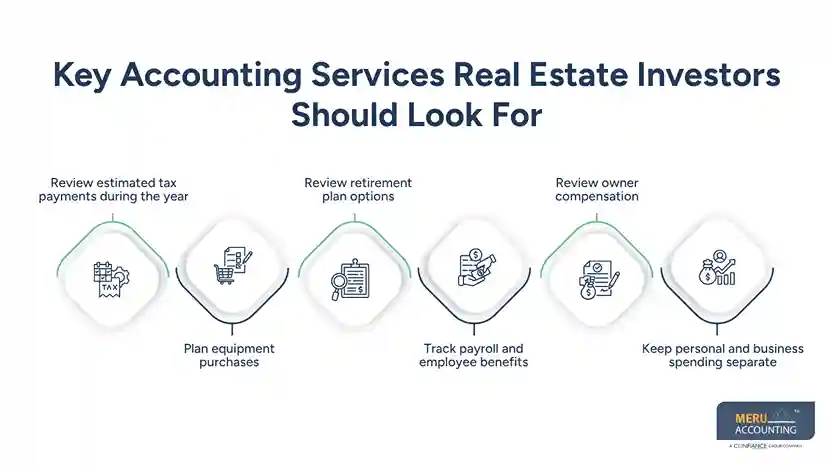
4. Track payroll and employee benefits
Payroll is often one of the largest expenses in a dental practice. Keep payroll records clean and review employee benefits, bonuses, health plans, and retirement contributions as part of your tax plan.
This can also help reduce errors in payroll tax reporting.
5. Review owner compensation
The right approach to owner pay depends on how your practice is structured. If you operate through an S corporation, for example, compensation and distributions must be handled under the rules that apply to S corporations.
Do not set owner pay only because another dentist uses the same amount. Your structure, income, role, and facts matter.
6. Keep personal and business spending separate
A separate business account makes it easier to track practice costs and support deductions. It also creates a cleaner record for your accountant when reviewing the books.
How to Identify Tax Deductions for Your Dental Practice
A common mistake is to focus only on the large costs. Smaller expenses can add up over a full year.
Depending on your facts and the tax rules that apply, areas to review may include:
- Dental supplies
- Lab fees
- Office rent
- Business insurance
- Practice management software
- Professional fees
- Marketing and advertising
- Continuing education
- Staff training
- Business licenses
- Office supplies
- Repairs and maintenance
- Business-related travel
- Phone and internet costs
- Professional memberships
- Certain technology costs
Keep records that show the business purpose, amount, date, and proof of payment.
Vehicle use is another area where good records matter. For the first half of 2026, the IRS business mileage rate was 72.5 cents per mile. The rate was later increased to 76 cents per mile for business use from July 1 through December 31, 2026.
A dental tax accountant can help you review expense categories and identify areas where records may need more support.
The key is not to claim every cost you can find. A sound dental practice tax advisory process checks whether an expense is actually deductible and whether you have the records needed to support it.
optional anymore
on running the business
Choosing the Right Business Structure for Tax Planning
Your business structure can affect how income is reported and how taxes are handled. Common structures include sole proprietorships, partnerships, corporations, and S corporations. An LLC is a legal structure created under state law and may receive different federal tax treatment depending on elections and ownership.
For a new dentist, a structure that worked at the start of the practice may not remain the best fit as the practice grows.
Changes in income, ownership, staffing, expansion plans, and owner compensation can all be reasons to review the structure.
Do not change your entity only because someone says an S corporation always saves taxes. The right choice depends on your facts, and the total cost of the structure should be part of the review.
How Meru Accounting's Dental Tax Accountants Can Support Year-Round Tax Planning
Tax planning works better when your tax professional has a clear view of what is happening in the practice throughout the year.
At Meru Accounting, our dental tax accountants can support ongoing tax planning instead of limiting the work to tax filing season. We can review practice income, expenses, cash flow, owner activity, and tax records to help identify areas that may need attention before the year closes.
Our dental practice tax advisory support can include:
- Reviewing estimated tax needs
- Monitoring income and expense trends
- Reviewing possible deductions
- Planning for major equipment purchases
- Supporting clean tax-ready books
- Reviewing business structure considerations
- Coordinating tax planning with bookkeeping data
- Helping you prepare for year-end tax work
The benefit of year-round support is better timing. When your numbers are reviewed before the year ends, you have more time to act.
For example, if practice income is higher than expected, you may have time to review estimated payments, retirement planning, equipment needs, and other tax decisions. If expenses are rising, you can also look at where cash is going before the issue becomes a larger problem.
Our Expert Insight
One mistake we often see is treating tax planning as a year-end task. By then, many useful decisions have already been made. A better dental practice tax advisory process looks at expected income, owner pay, major purchases, and practice changes while there is still time to act. It also helps separate a true tax opportunity from a purchase that only looks attractive because it may lower taxable income.
We also believe tax planning should be based on the practice’s actual numbers, not broad rules that apply to every dentist. A dental tax accountant should review current financial results, look for changes from prior periods, and ask what is driving those changes. This can uncover issues that a tax return alone may not show, such as rising overhead, poor expense tracking, or tax payments that no longer match current income. That practical review makes dental practice tax advisory more useful because it supports both tax decisions and the financial health of the practice.
Key Takeaways
- Dental practice tax advisory should be a year-round process.
- Review estimated tax payments as practice income changes.
- Track dental expenses and keep clear records.
- Review equipment purchases before spending.
- Consider retirement plans as part of long-term tax planning.
- Review your business structure as the practice grows.
- Keep personal and business expenses separate.
- Use current bookkeeping data to support tax decisions.
- Work with a dental tax accountant before year-end, not only during filing season.
- Never make a tax decision based only on the expected tax deduction.
FAQs
Common deductions may include supplies, lab fees, payroll, rent, insurance, software, marketing, and professional fees. Each expense must meet IRS rules and have proper records.
Yes. Changes in practice income, ownership, or growth may make it worth reviewing your current structure with a tax professional.
Tax planning should begin during the year, not just before filing. Early planning gives you more time to review estimated taxes, purchases, retirement plans, and other options.
Keep receipts, invoices, bank records, payroll reports, mileage logs, and equipment records. Clear records help support deductions and make tax filing easier.
A dental tax accountant can help with tax preparation, estimated payments, deductions, entity reviews, and year-round planning based on your practice’s financial results.
optional anymore
on running the business