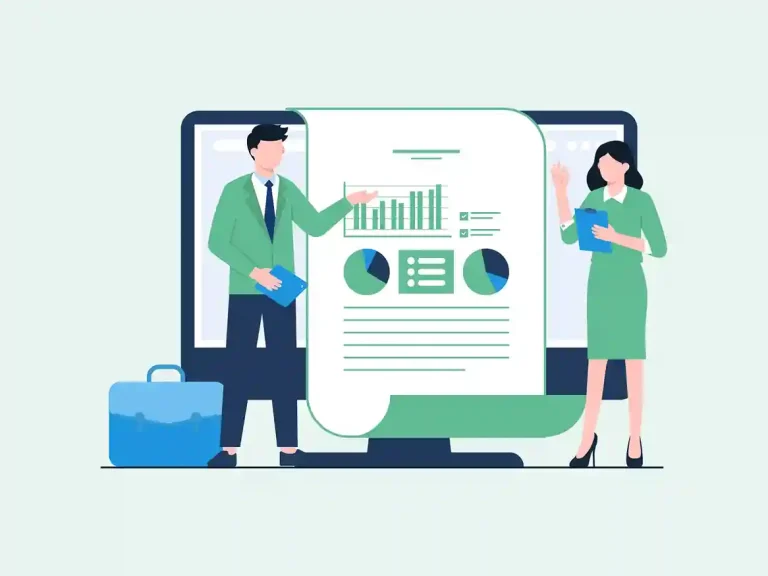
Digital signatures play a key role in modern business processes, especially when it comes to record keeping, approvals, and verification of financial documents. Today, organizations are moving away from paper-based approvals and shifting toward faster, safer methods. In this shift, signing digitally has become a trusted way to confirm identity and secure documents without physical presence.
In areas like auditing, taxation, and reporting, financial reporting demands accuracy, clear proof, and traceable records. Digital signatures add a layer of trust by ensuring that documents are not changed after approval and that the signer’s identity is verified. This reduces errors and builds confidence in reported numbers.
What You Will Learn From This Blog
This blog explains how signing digitally support financial reporting and business compliance in modern organizations
- Understanding how digital signatures work in simple terms
- Clear insight into why they are important for financial reporting accuracy
- Knowledge of how they improve speed in approval processes
- Explanation of how they reduce fraud and errors in business records
- Overview of their role in audits and compliance management
- Real examples of where digital signatures are used in business environments
- Step-by-step process to get and use a digital signature safely
What Is a Digital Signature?
A digital signature is a special kind of electronic mark. It is used to sign documents on a computer. Just like your pen signature proves you wrote or agreed to something, a digital signature proves that a person approved a file or message online.
Here’s how it works:
- You use special software to make a digital signature.
- That signature has a secret code that belongs only to you.
- When you sign a document with it, the computer knows it’s really you.
- If anyone changes the document, the signature won’t work anymore.
Importance of Digital Signature
A digital signature helps you sign papers on a computer. You do not need a pen or paper. It is fast, safe, and easy to use. Here is why it is important:
Saves Time
- No printing or scanning needed
- No manual signing or physical handling
- Documents can be signed in seconds
- Works from anywhere, anytime
Keeps Documents Safe
- Signed files cannot be easily changed
- Any edit breaks the signature
- Helps detect tampering quickly
- Keeps documents authentic and safe
Makes Work Faster
- No waiting for courier or mail
- No need for in-person meetings
- Approvals happen instantly
- Improves overall workflow speed
Trusted by Law
- Recognized in many countries
- Used for contracts and filings
- Valid for business and legal documents
- Trusted by institutions and authorities
Good for the Earth
- No printing means no waste
- You do not use paper or ink
- This helps save trees
- Supports a greener environment
Benefits of Using Digital Signatures
Quick Signing
- You can sign papers in just a few seconds
- No need to print or scan
- It helps you save time every day
Safe and Secure
- Once signed, no one can change the file
- It stops cheating and keeps your work safe
- Your documents stay trusted and protected
Saves Money
- You don’t need to buy paper or ink
- No need to pay for printing or postage
- You save money by working online
Paperless Work
- You don’t need to use paper
- This helps save trees and cut down waste
- It is better for nature and the earth
Used Anywhere
- You can sign from home, school, or the office
- All you need is a phone or computer
- You can work from any place, anytime
Impact of Digital Signatures on Financial Reporting Quality
Faster Approval Of Financial Documents
Digital signatures speed up approval cycles for reports and statements. In financial reporting, this means teams can close books faster without waiting for physical signatures.
Reduced Errors in the Reporting Process
Manual signing often leads to delays or missing approvals. Electronic signing reduces these risks, which leads to more accurate reporting outcomes.
Improved Audit Trails
Every action with electronic signatures is recorded with time and identity details. This helps auditors verify reporting steps clearly and without confusion.

Better Data Integrity
Once a document is signed, electronic signatures ensure it cannot be changed without detection. This protects reporting data from unauthorized edits.
Strong Internal Controls
Companies use electronic signatures to control approval levels. This improves governance and ensures reporting follows internal policies.
Role of Digital Signatures in Compliance Management
Meeting Regulatory Requirements
Digital signatures help businesses meet legal rules for documentation. In accounting reporting, this ensures reports are accepted by tax and audit authorities.
Reducing Fraud Risks
Fraud in reporting often comes from fake approvals. Electronic signatures reduce this risk and strengthen reporting security.
Supporting Global Operations
Companies working across countries rely on electronic signatures for consistent compliance. This ensures reporting remains valid in multiple regions.
Secure Record Keeping
Electronic signatures store secure proof of approval. This makes reporting records reliable for long-term use and audits.
Simplifying Compliance Audits
Auditors can easily track signed documents. This improves the speed and clarity of financial reporting reviews.
Where Do People Use Digital Signatures?
People use digital signatures in many places. They help save time and make work easy. You do not need to print or scan anything. Just sign with a few clicks. Here are some places where people use them:
Banks
- People sign loan papers
- They sign forms to open or close an account
- It helps keep bank work fast and safe
Schools
- Teachers sign report cards
- Parents sign school forms online
- Schools use it for records and notes
Hospitals
- Doctors sign patient reports
- Nurses sign care forms
- It keeps health records safe and clear
Government Offices
- People sign online forms
- You can sign for ID cards and tax files
- It is safe and trusted by law
Businesses
- People sign work deals and contracts
- They use it to send bills and orders
- It helps save time and paper
Shops and Stores
- Owners sign supply forms
- They sign online payments and orders
- It helps them work faster
Real Estate
- People sign papers to buy or rent homes
- Agents use it for sale and lease forms
- It helps close deals from anywhere
Jobs and Hiring
- Bosses send job offer letters
- New staff sign joining papers
- It helps make hiring easy and quick
Legal Work
- Lawyers sign case files and forms
- Clients sign papers without going to court
- It keeps legal work smooth and clear
How to Get a Digital Signature
Choose a Certifying Authority
- These are trusted groups that give digital signs
- Some names are eMudhra, Sify, and NSDL
- Go to their website to start
Fill Out the Form
- Find the online form on the site
- Type in your name, phone, and email
- Make sure the details are correct
Show Your ID
- Upload your Aadhaar card, PAN card, or passport
- Some groups may ask for a photo or short video
- This step helps prove who you are.
Pay the Fee
- You may need to pay a small fee
- This is for using the digital signature
- It is paid once every 2 or 3 years
Wait for Approval
- After you send your form and ID, wait
- They will check your information
- You will get a message when it is ready
Download or Get USB Token
- You can download the sign using special software
- Or they may send you a USB token with your signature
Start Using Your Digital Signature
- Now you can sign files and forms online
- No need to print, scan, or mail
- It works for many types of papers
Keep Your Sign Safe
- Do not share your password or token
- Use a strong password
- Keep your sign safe from harm or theft
How Meru Accounting Uses Digital Signatures For Better Financial Control
Meru Accounting integrates modern tools and systems to improve accuracy and compliance in client services. Digital signatures are used to ensure safe approval of financial documents and reduce manual delays. This approach strengthens financial reporting quality and builds client trust.
Our team applies electronic signatures in accounting workflows such as tax filings, bookkeeping approvals, and audit preparation. This ensures that reporting remains accurate, traceable, and compliant with global standards.
We also use electronic signatures to maintain strong documentation control for international clients. This helps in improving reporting consistency across different accounting systems like QuickBooks, Xero, and Odoo.
With structured workflows and secure verification methods, electronic signatures reduce approval time and support better reporting outcomes for businesses of all sizes.
Our Expert Insight
At Meru Accounting, we understand that digital signatures use secure methods to check who signed a document and make sure it is not changed. This helps keep financial records safe and correct. In daily work, they make approvals faster, improve accuracy in reporting, and create clear records for audits and compliance.
Key Takeaways
- Digital signatures replace manual signing with fast and secure digital approval methods
- Identity verification becomes more reliable through encrypted authentication
- Document integrity is maintained because any change after signing is easily detected
- Financial reporting accuracy improves due to stronger control and traceability
- Approval processes become faster by removing delays linked to physical documentation
- Audit trails become clearer since every action is recorded with time and user details
- Compliance with legal and regulatory standards is strengthened across industries
- Business operations gain higher trust, security, and overall efficiency through digital workflows
FAQs
A digital signature is a special online signature that proves a document is real and has not been changed.
Yes. It uses secret codes to make sure no one can cheat or change the file.
Yes. Many schools and offices use digital signatures for forms and papers.
You can apply through trusted companies online. Show your ID and pay a small fee.
Digital signatures reduce errors, prevent changes after approval, and speed up processes. This improves the quality of financial reporting.
optional anymore
on running the business