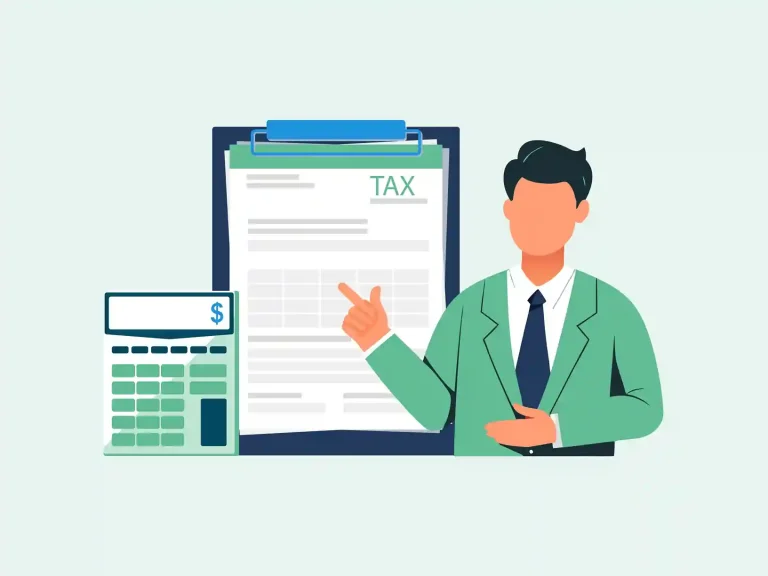
A small business tax accountant can take much of the tax work off your plate. Small firms must track sales, costs, payroll, tax forms, and due dates. Tax rules can also vary by business type and tax need. A good tax pro can review your records, file the right forms, and flag tax issues before they grow.
The right small business tax accountant does more than fill out forms. The person or firm may also review your books, check deductions, plan for tax dates, and answer tax questions during the year. The IRS notes that tax pros may review books and records, check that income is reported, and look for deductions and credits that apply to the business.
What You Will Learn From This Blog
- What a small business tax accountant does
- Key tax and filing services
- How small business tax accountant cost can vary
- What to expect from the tax work process
- How to choose a tax accountant for small businesses
- Questions to ask before you hire
- Common hiring errors to avoid
- How Meru Accounting can serve your tax needs
What is a Small Business Tax Accountant?
Tax Work For Small Firms
A small business tax accountant works with owners on tax tasks tied to business income, costs, records, and filings. The work may cover one tax return or a wider set of tax needs during the year.
Review Of Business Records
A tax pro may review sales, bills, payroll data, bank records, and other key files. Good records give a clear base for tax work and can back up items shown on a return.
Tax Filing And Forms
A small business tax accountant can prepare and file tax returns and other forms that fit the firm’s tax setup. The exact forms depend on factors such as the business type, staff, and tax duties.
Tax Advice
Owners may need advice on tax due dates, business costs, payments, or a change in business setup. A tax accountant for small businesses can review the facts and explain the tax steps in plain terms.
Year-Round Tax Care
Tax work does not need to start near the filing date. Year-round review can give owners more time to fix gaps, plan for payments, and keep records in good order.
What Does a Small Business Tax Accountant Do?
Prepare Tax Returns
One core task is preparing the tax return from the firm’s books and source records. A small business tax accountant checks the data before the return is sent for filing.
Review Income and Costs
The tax pro checks income and business costs for the tax period. The IRS says firms should keep records that clearly show income and expenses and support items reported on tax returns.
Check Deductions and Credits
A tax professional may review costs and tax breaks that could apply to the firm. Claims should be based on facts and proper records, not on a target refund.
Track Tax Duties
Some firms have more than an annual income tax return. A tax accountant for small businesses may also review payroll tax, estimated tax, sales tax, or other duties when these apply.
Answer Tax Questions
Owners may ask about a new asset, staff hire, new entity, home office, or other tax issue. A small business tax accountant can explain the tax effect and point out records that may be needed.
Services Offered By a Tax Accountant For Small Businesses
Business Tax Returns
Tax return prep is a key service. A small business tax accountant can gather the needed data, check the return, and prepare it for filing based on the firm’s tax setup.
Tax Planning
Tax planning looks at likely income, costs, payments, and key dates before a return is due. A tax accountant for small businesses can use this review to flag tax steps that need action.
Book and Record Review
Clean books can make tax work clearer. A tax professional may check account data, bank records, receipts, invoices, and other source files before tax prep begins.
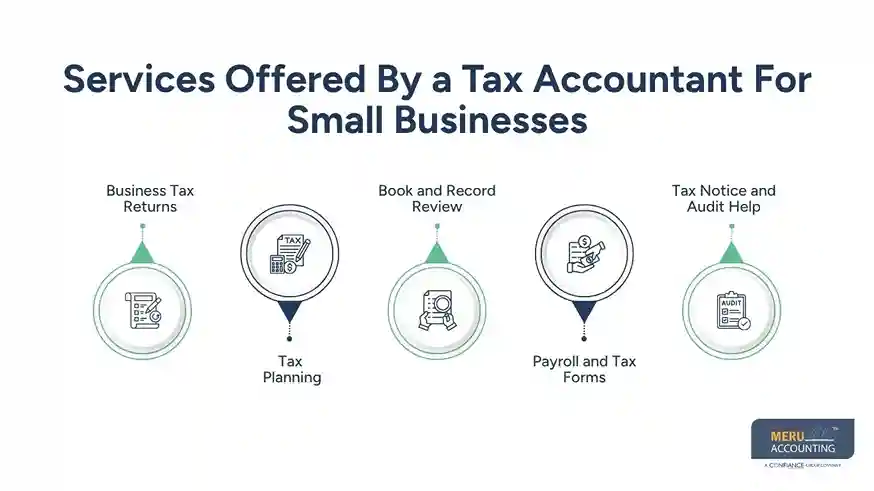
Payroll and Tax Forms
Firms with staff may face payroll tax duties and filing dates. The scope of work should be clear so the owner knows which forms, reports, and checks are part of the fee.
Tax Notice and Audit Help
Some firms need aid after a return is filed. A qualified tax pro may review an IRS notice or provide tax representation where their credentials allow it. CPAs, enrolled agents, and attorneys have unlimited representation rights before the IRS.
optional anymore
on running the business
How Much Does A Small Business Tax Accountant Cost?
Fee Models
The cost can vary by the type and size of the work. Some firms charge a set fee for a tax return, while others use monthly plans or hourly billing.
Business Size
A firm with simple income and few records may need less work than a firm with staff, assets, many accounts, or more than one tax form. More records and tax tasks can raise the small business tax accountant cost.
Service Scope
A basic filing costs less than a plan that includes tax prep, book review, payroll tax work, tax planning, and notice help. Ask for a clear list of what the quoted fee covers.
Record Quality
Poor records can add time to tax work. If the accountant must sort old bank data, match receipts, or fix missing entries, extra fees may apply. Good records can keep the tax process clearer.
How To Compare Fees
Do not judge a small business tax accountant cost by price alone. Compare the service scope, tax experience, response time, credentials, and terms before making a choice. The IRS advises taxpayers to ask about fees and avoid preparers who base fees on a share of the refund.
What To Expect When Working With A Small Business Tax Accountant
First Consultation
The first call should cover your business type, income, records, past returns, tax needs, and goals. A tax professional should also explain what they need from you.
Document Collection
You may need to share income records, expense data, bank statements, payroll files, prior returns, asset details, and tax notices. The exact list will depend on your business.
Record Review
The accountant reviews the data before tax work is done. A tax accountant for small businesses may ask questions when numbers do not match or key records are missing.
Return Preparation
After review, the small business tax accountant prepares the required return or forms. You should have time to read the return and ask about any item that is not clear.
Filing And Follow-Up
After approval, the return can be filed through the proper process. The IRS says taxpayers should review the return before signing and remain aware that they are responsible for the information on the filed return.
Common Mistakes To Avoid When Hiring A Tax Accountant
Choosing Only By Price
A low quote may not include all the work your firm needs. Compare service scope and terms before using small business tax accountant cost as the main factor.
Ignoring Credentials
Ask about education, tax training, and credentials. Paid federal return preparers must have a valid PTIN, while CPAs, enrolled agents, and attorneys have broader IRS representation rights.
Not Asking About Fees
Ask what is included and what may cost extra. A tax accountant for small businesses should be able to explain the fee before work starts.
Signing Without Review
Never sign a blank or incomplete return. Read the final return, check key figures, and ask questions about any number or claim that seems wrong.
Expecting a Large Refund
A good tax pro should focus on correct reporting, not on making a refund look large. Be wary of anyone who promises a refund that seems too good to be true.
Questions To Ask Before Hiring A Small Business Tax Accountant
What Businesses Do You Serve?
Ask if the accountant has worked with firms like yours. Industry and business type can affect the tax forms, records, and issues that need review.
What Services are Included?
Ask if the quote covers return prep, tax planning, book review, payroll tax work, notices, or other needs. A small business tax accountant should define the scope in clear terms.
How Do You Charge?
Ask whether the fee is fixed, monthly, or based on time. Understanding the fee model makes the total cost easier to compare.
What Credentials Do You Hold?
Ask about PTIN status and professional credentials. The IRS also provides a directory for certain credentialed tax professionals and other qualified preparers.
Who Will Handle My Account?
Know who will prepare the return and who will answer questions. Clear contact rules can make tax work easier during and after filing season.
Why Choose Meru Accounting For Small Business Tax Services?
Clear Tax Support
Meru Accounting offers tax support built around clear records, proper filing, and timely review. Our team can work with business owners who need tax work without adding more daily admin.
Broad Accounting Services
Tax work often relies on good books. Meru Accounting can combine tax work with bookkeeping, payroll, financial statements, and other accounting needs when required.
Practical Tax Process
Our approach starts with the records and tax facts. We review the data, identify gaps, and keep the owner informed before key tax work is completed.
Ongoing Assistance
Tax questions can come up outside filing season. Our team can provide ongoing support so owners have a clear point of contact when tax needs arise.
Business-Focused Service
Every firm has its own records, tax needs, and filing duties. Meru Accounting can shape its service around the scope of work instead of using one plan for every business.
Key Takeaways
- A small business tax accountant can prepare returns and review tax records.
- Tax work may include planning, deductions, payroll tax, and notice help.
- Small business tax accountant cost depends on scope, records, and business needs.
- A tax accountant for small businesses should explain fees before work begins.
- Good records make tax review clearer and reduce avoidable delays.
- Check credentials, PTIN status, service scope, and fee terms before hiring.
- Always review your tax return before signing or filing it.
- Choose a tax pro who can answer questions after filing season.
FAQs
A small business tax accountant prepares tax returns, reviews records, checks tax items, and gives tax advice based on the firm’s needs.
The cost varies based on the work, business size, records, tax forms, and level of service.
A tax accountant for small businesses can be hired before tax season so there is time to review records and plan for tax needs.
Give your tax accountant income records, expense data, bank records, payroll data, prior returns, asset details, and relevant tax notices.
Choose a small business tax accountant by checking credentials, experience, fees, service scope, communication, and availability after filing.
optional anymore
on running the business