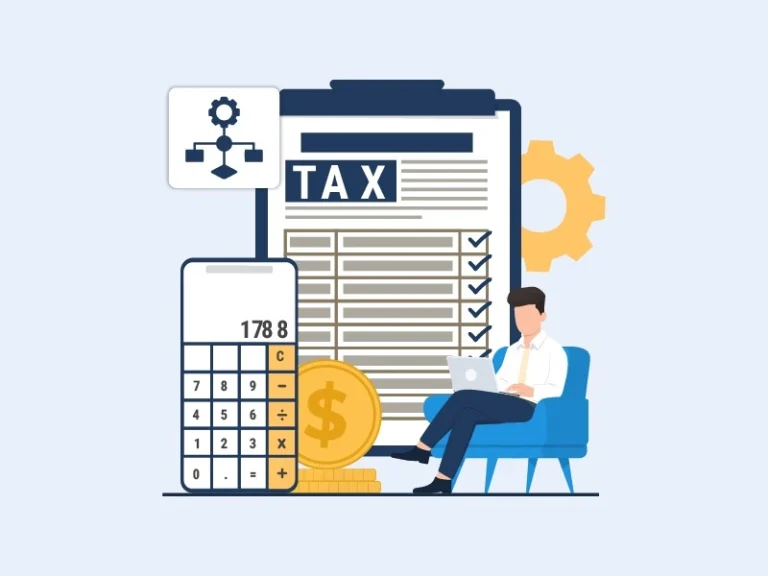
Tax preparation automation is reshaping how accounting firms handle complex tax processes and client demands. Firms are increasingly shifting toward automated systems to improve accuracy, reduce manual effort, and ensure timely tax filings.
This shift is helping professionals move away from repetitive tasks and focus more on planning and advisory services. Tax preparation automation also supports better data management and consistency across financial records, which is essential for compliance.
Additionally, many firms are turning to tax outsourcing services to further optimize efficiency and manage workload fluctuations. By combining automation with outsourcing, firms can handle higher volumes of work while maintaining quality and meeting deadlines.
What You Will Learn From This Blog
- The concept and basics of tax preparation automation
- How outsourcing can complement automated tax workflows
- Key benefits of automating tax preparation for accounting firms
- Technologies that are transforming tax processing
- Practical examples of firms successfully implementing tax automation
- How automation improves efficiency, reduces costs, and boosts accuracy
Introduction To Tax Preparation Automation
Tax preparation automation refers to the use of software and digital tools to handle repetitive tax-related tasks such as data entry, calculations, and filing. By reducing manual effort, it improves accuracy and consistency in tax processes.
Firms are increasingly adopting these automated solutions to save time, minimize errors, and focus more on high-value tasks like financial planning and advisory. They also ensure timely compliance with tax regulations and reduce operational pressure during peak tax seasons.
Many firms combine automation with tax outsourcing services to manage workload fluctuations effectively. This approach allows accounting teams to handle seasonal spikes without compromising accuracy or deadlines.
Automated systems can manage a wide range of tasks, including inputting financial data, preparing tax returns, generating reports, and identifying inconsistencies, which helps reduce human error and improve overall efficiency.
Automation does not replace accountants but enhances their role by shifting their focus toward strategic decision-making and problem-solving.
With increasing tax complexities, these solutions play a crucial role in helping firms maintain compliance, improve client satisfaction, and create a smoother and more structured workflow.
How Firms Are Using Outsourcing To Streamline Operations
Combining Automation With Outsourcing
Firms often use tax outsourcing services along with automation tools. This helps balance in-house work with external expertise. It improves efficiency and maintains accuracy.
Handling Seasonal Workloads
Outsourcing, when combined with tax preparation automation, helps firms manage peak tax seasons more efficiently. It reduces pressure on internal teams and ensures deadlines are met seamlessly.
Access To Expert Knowledge
External service providers have strong knowledge of tax rules. They understand complex tax codes well. This supports automated systems and improves accuracy.
Cost Management
Outsourcing reduces the need to hire full-time employees. It helps control staffing costs. Automation also lowers costs by reducing manual work.
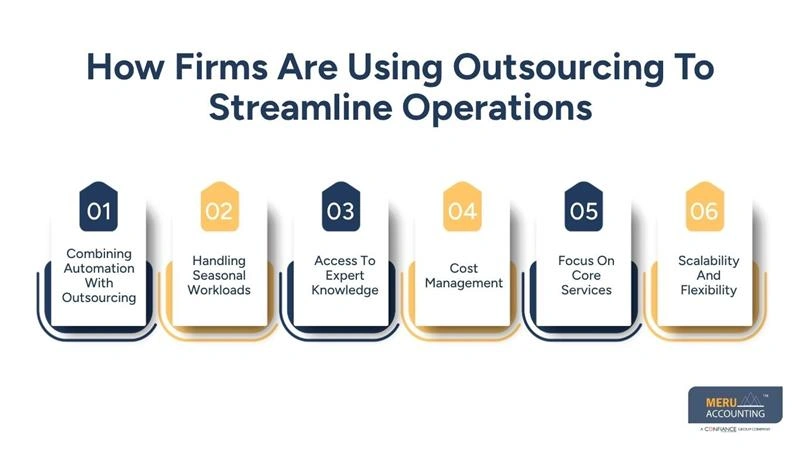
Focus On Core Services
Routine tasks can be handled through outsourcing. This allows teams to focus on advisory and planning. It improves the quality of client service.
Scalability And Flexibility
Outsourcing and automation help firms grow easily. With tax preparation automation and outsourcing, firms can scale work easily. It meets changing client demands.
Key Benefits Of Tax Preparation Automation
Increased Accuracy
Automated systems reduce human errors in calculations and data entry, ensuring more reliable tax reporting. Consistent rule application across all entries further improves data accuracy and reliability.
Time Savings
Automation speeds up repetitive tasks like invoice processing, data reconciliation, and return preparation, freeing staff for strategic tasks.
Faster processing helps firms handle higher workloads efficiently during busy tax periods.
Better Compliance
Automated workflows ensure that tax filings follow current regulations, reducing the risk of penalties and audits.
Regular updates within systems help maintain accurate records aligned with current tax laws.
Improved Data Management
Tax preparation automation organizes and consolidates data from multiple sources, making it easier to retrieve and analyze financial information, while supporting outsourced staff in handling complex tasks.
Better data visibility supports quicker decision-making and improved financial tracking.
Enhanced Client Satisfaction
Clients benefit from faster, more accurate services and timely filing, leading to stronger relationships with accounting firms.
Well-structured reports also make it easier for clients to understand their financial status.
Reduced Operational Costs
By automating routine tasks, firms lower labor costs and can redirect resources toward growth-oriented initiatives.
Lower rework and fewer manual errors contribute to additional cost savings.
How Automation Transforms Tax Workflows
Streamlined Data Entry
Tax preparation automation tools extract data directly from invoices and statements, reducing manual entry and errors, while enabling smoother collaboration with tax outsourcing services.
Direct data capture also improves consistency and minimizes duplication across systems.
Automated Calculations
Tax software performs complex calculations automatically, ensuring accurate reporting and faster turnaround.
Built-in formulas help maintain uniformity in calculations across multiple tax returns.
Error Detection
Automated systems flag inconsistencies and potential issues, helping accountants resolve them before submission.
Early identification of errors reduces the chances of rework and improves overall efficiency.
Efficient Document Management
Digital workflows organize tax documents and client records, making retrieval easier and reducing paper dependency.
Centralized storage ensures quick access to files during audits or client reviews.
Collaboration Made Simple
Automation allows teams to share data in real-time, improving communication between in-house staff and outsourced services.
Shared access to updated information reduces delays and improves coordination.
Faster Filing And Reporting
Automated solutions prepare returns and generate reports quickly, reducing the time from data collection to submission.
Shorter processing time helps firms meet deadlines consistently and serve more clients effectively.
Real-Time Data Access
Automation provides instant access to updated financial data, helping teams make timely decisions. Immediate visibility into data improves monitoring and control over tax processes.
Standardized Workflows
Automated systems create consistent processes across all tax tasks, reducing variation in work quality. Standardization ensures that every step follows predefined guidelines for accuracy and compliance.
Improved Audit Readiness
Automation keeps records organized and up to date, making audits easier to handle. Well-maintained digital trails support transparency and simplify audit reviews.
Top Technologies Driving Tax Preparation Automation
Robotic Process Automation (RPA)
RPA automates repetitive tasks like data entry, invoice processing, and document validation, improving speed and accuracy. It also frees staff to focus on more complex and value-added tax activities.
Artificial Intelligence (AI)
AI analyzes patterns in financial data, identifies discrepancies, and offers predictive insights for better decision-making. It can detect unusual transactions that might require human review, improving overall risk management.
Cloud-Based Tax Platforms
Cloud solutions enable remote access, collaboration, and real-time updates, making tax processes more flexible and efficient. They also ensure data is securely backed up and accessible from multiple locations.
Optical Character Recognition (OCR)
OCR extracts data from scanned documents, reducing manual input and ensuring data consistency. It speeds up document processing and reduces errors associated with manual transcription.
Integration With Accounting Software
Automated tax systems integrate with existing accounting software to synchronize data, streamline workflows, and reduce duplication. Integration ensures seamless updates across systems and improves overall efficiency.
Machine Learning Algorithms
Machine learning improves automation over time by learning from past data, enhancing predictive accuracy and compliance management. It can also help forecast future tax liabilities and identify trends that support strategic planning.
Cost Efficiency And ROI Of Automation
Reduced Labor Costs
By automating repetitive processes, firms require fewer staff hours for manual work. This reduction in labor leads to significant cost savings.
Faster Turnaround Times
Automation speeds up processing, allowing firms to handle more clients in the same timeframe. Faster turnaround increases revenue potential and client satisfaction.
Error Reduction
Lower error rates reduce the need for corrections and rework. Fewer mistakes also help avoid penalties, creating direct cost savings.
Scalability Without Added Expenses
Automation enables firms to handle growing client demands efficiently. Additional staffing or infrastructure is not needed to scale operations.
Better Resource Allocation
Accounting teams can focus on higher-value tasks instead of repetitive work. This improves overall productivity and enhances profitability.
Measurable ROI
Investments in automation provide clear financial benefits. Cost reduction, time savings, and improved client satisfaction demonstrate tangible returns.
Challenges And Considerations In Automating Tax Preparation
Initial Investment
Automation tools require upfront costs for software, training, and integration. Firms need to plan carefully to manage these initial expenses.
Learning Curve
Staff must be trained to use tax preparation automation effectively, and integrating tax outsourcing services can help ease the learning curve during adaptation to new workflows.
Data Security
Automated tax systems handle sensitive financial information. Strong measures like encryption and controlled access are essential to protect data.
Integration With Existing Systems
Automation tools must integrate smoothly with current accounting software. Poor integration can disrupt workflows and reduce efficiency.
Dependence On Technology
Relying heavily on automation carries risks if systems fail. Regular backups and contingency plans are necessary to avoid interruptions.
Maintaining Compliance
Automation supports compliance, but firms must stay updated on tax regulations. Software needs regular updates to ensure filings meet current legal requirements.
Real-World Case Studies Of Firms Using Tax Preparation Automation
Accounting Firm Implementing Automation
An accounting firm integrated tax automation to manage client returns more efficiently. The firm saw a 40% reduction in manual data entry tasks, allowing staff to focus on complex tax issues. Filing times became faster, and accuracy improved across all client returns.
Combining Automation With Tax Outsourcing Services
Another firm paired tax outsourcing services with automation to handle seasonal workload peaks. Outsourced staff managed complex returns, while automated systems handled repetitive tasks. This combination improved accuracy, ensured timely filing, and increased client satisfaction.
How Meru Accounting Helps With Tax Preparation Automation
Expert Automation Solutions
Meru Accounting provides tailored tax automation solutions to meet the specific needs of firms, ensuring faster and more accurate processes.
Customized setups help firms optimize workflows based on their unique client requirements.
Integrated Services
Our team combines tax outsourcing services with automation tools, allowing clients to manage peak workloads efficiently.
This integration ensures smoother operations and reduces stress during busy tax periods.
Compliance Assurance
We ensure that automated workflows adhere to current tax regulations, minimizing risk of errors or penalties.
Regular updates and monitoring keep firms compliant with changing tax laws.
Technology Adoption Support
Meru Accounting guides firms in selecting and integrating the right automation software, including RPA, AI, and cloud-based platforms.
We also provide training to help staff use these tools effectively from day one.
Ongoing Support
Our experts offer continuous assistance and training, helping accounting teams leverage automation while maintaining quality and compliance.
We also provide troubleshooting and system updates to ensure long-term efficiency and reliability.
Key Takeaways
- Tax preparation automation simplifies repetitive tasks, reduces errors, and improves efficiency.
- Combining automation with tax outsourcing services provides flexibility and expert support.
- Automated workflows lead to faster tax filing, better compliance, and improved client satisfaction.
- Key technologies include RPA, AI, OCR, cloud platforms, and machine learning.
- Firms investing in automation benefit from cost savings, scalability, and higher ROI.
- Proper planning, staff training, and system integration are crucial for successful implementation.
FAQs
Tax preparation automation uses software to handle tasks like data entry, calculations, and filing. It saves time and reduces errors in tax processes.
Automation speeds up repetitive tax tasks and reduces manual work. Firms can complete returns faster and handle more clients efficiently.
Tax outsourcing services work with automation to manage complex or high-volume tasks. Outsourced teams ensure accuracy during peak tax seasons.
RPA, AI, OCR, machine learning, and cloud platforms are commonly used. These tools streamline workflows and improve accuracy.
Absolutely, even small accounting firms save time and costs. Automation allows them to focus on advisory services while handling tax tasks efficiently.