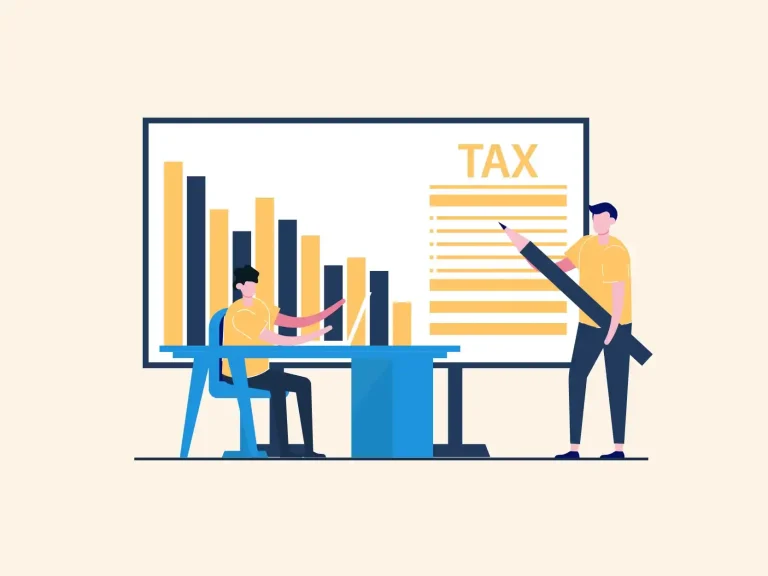
Small business owners work hard to earn more and spend less. One smart way to make a profit is by using tax reduction strategies. Many owners wait until tax time to think about taxes. By then, they may miss key ways to save. Good tax planning is a year-round task that helps lower tax costs and improve financial choices.
Strong tax reduction strategies help small firms cut taxes in legal ways. These steps may include tracking costs, claiming all tax write-offs, picking the best business type, and timing income and costs with care. When used well, these steps lower tax bills, help cash flow, and leave more money to grow the business.
In this blog, you will learn how tax reduction strategies work, why tax planning is important, and the best ways small firms can lower their tax bill while still meeting all tax rules.
What You Will Learn From This Blog
After you read this guide, you will learn how to:
- Know what tax reduction strategies are and why they help small firms.
- See how year-round tax planning can lower taxes and help cash flow.
- Find legal ways to claim tax write-offs, tax credits, and other tax-saving tools.
- Avoid common tax mistakes that can raise your tax bill or lead to fines.
What Are Tax Reduction Strategies?
Tax reduction strategies are legal ways to help a business pay less tax. They use tax laws, tax write-offs, tax credits, and smart planning to lower taxable income while meeting all tax rules.
Many people mix up tax reduction with tax evasion. They are not the same. Tax reduction uses legal ways to cut taxes. Tax evasion breaks the law by hiding income or giving false tax facts.
Good tax planning starts with knowing which costs you can claim. Rent, payroll, software, work trips, office costs, insurance, and tools may all count as tax write-offs. Firms should also look at tax credits, retirement plans, and tax rules that may lower taxes even more.
The best tax reduction strategies are not the same for all firms. Each business has its own goals, sales, and costs. A plan that works well for one firm may not fit the next. That is why you should check your tax plan all year, not just at tax time.
When owners plan early instead of waiting until tax time, they gain more control of their cash and find more ways to save.
Why Effective Tax Planning Is Essential for Small Businesses
Tax planning is much more than filing a tax return. It is a year-round task that helps owners make smart business choices while keeping taxes in mind.
One key benefit is better cash flow. Lower taxes mean more cash stays in the business. Those funds can help hire staff, buy tools, grow sales, or add new services.
Good tax planning also helps stop last-minute tax bills. Firms that check income, costs, and tax needs all year are less likely to face large tax payments they did not expect. It also helps them save enough cash for taxes as the year goes on.
Good planning also reduces risk. Clear books and steady tax reviews lower the chance of tax mistakes, lost write-offs, or late fees. Firms with good records are also in a much better spot if the tax office asks to review their files.
Good tax reduction strategies also help with day-to-day business plans. For example, the best time to buy tools, hire staff, or spend on new tech can change your tax bill. Smart timing can help both business growth and tax savings.
Most small firms work with tight funds. Every dollar saved through smart tax reduction planning can help build a stronger and more stable business.
Top Tax Reduction Strategies for Small Businesses
Keep Good Financial Records
Good records are the basis of every tax plan. When you track income and costs the right way, you are less likely to miss tax write-offs. Use good accounting software to track daily work, sort bills, save receipts, and match bank records. Keep files for payroll, sales, work trips, office costs, and all business purchases. Clear records also make tax filing much easier and help prove your claims if the tax office asks for proof.
Claim Every Tax Write-Off You Can
Many small firms pay more tax than they should because they miss tax write-offs.
Some common tax write-offs include:
- Office rent
- Staff pay
- Business insurance
- Office items
- Phone and internet bills
- Ads and sales costs
- Tax and legal help
- Work travel
- Business software
Check your costs often instead of waiting until tax time. This helps make sure no tax write-off is left out.
Strong tax reduction strategies always start with claiming all legal tax write-offs.
Use All Tax Credits You Can
Tax credits lower the tax you owe. This makes them one of the best tax-saving tools for small firms.
Your business may be able to claim tax credits for:
- Hiring new staff
- Research work
- Energy-saving work
- Staff retirement plans
- Health care plans
Check tax credits each year because tax rules may change.
Pick the Right Business Type
Your business type plays a big part in how your income is taxed. A sole owner, LLC, partnership, S corporation, or C corporation all have their own tax rules. As your firm grows, a new business type may help lower taxes and raise savings. Check your business type from time to time with a tax professional to make sure it still fits your goals. Picking the right setup is one of the best long-term tax reduction strategies for small firms.
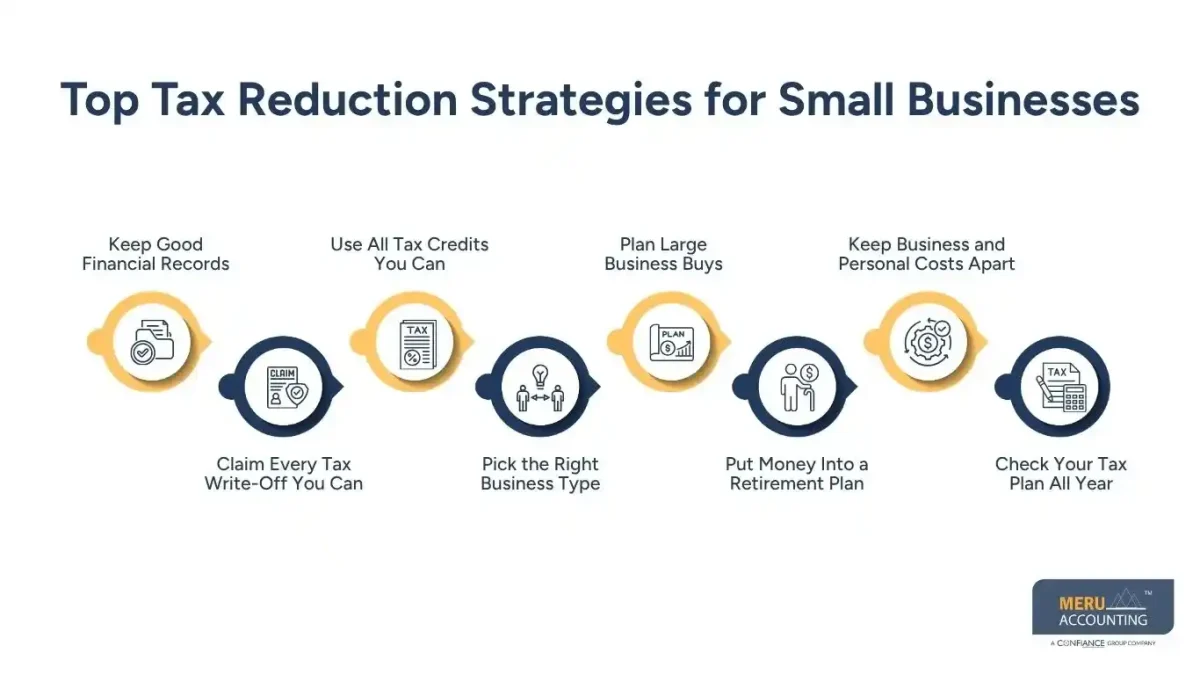
Plan Large Business Buys
Buying tools and gear at the right time may help lower your taxes. Items like work trucks, desks, chairs, laptops, and other business gear may allow tax write-offs through tax rules. Before making large buys, look at your tax plan for the year. Good timing may lower your tax bill while also helping your business grow.
Put Money Into a Retirement Plan
A retirement plan can help both the business owner and the staff. It is also a smart way to lower taxes. Many retirement plans let you deduct the money you put into the plan. That can lower your taxable income while helping you save for the years ahead. Small firms can pick from many retirement plan options based on the size of the business and the needs of the staff. A tax pro can help you choose the best plan. Adding retirement savings to your yearly tax plan is one more way to support tax reduction and long-term business growth.
Keep Business and Personal Costs Apart
Mixing business and personal costs can lead to tax problems. It can also make it hard to track tax write-offs. Use a bank account and a credit card only for your business. Keep all work costs in one place and save bills and receipts for every business buy. This simple step makes bookkeeping much easier. It also helps you file a correct tax return and lowers the risk of tax issues. Good records are a key part of strong tax reduction strategies because they help back up every tax claim.
Check Your Tax Plan All Year
Many owners meet with a tax pro only when it is time to file taxes. That can limit the ways they can save. A better plan is to review your income, costs, and tax needs every few months. This gives you time to make changes before the end of the year. Year-round tax planning helps you decide the best time to buy gear, hire staff, make large payments, or delay income when allowed by law. The best tax reduction strategies are built over the whole year, not just during tax season.
Common Tax Reduction Mistakes Small Businesses Should Avoid
Even the best tax reduction strategies may not work if you make common tax mistakes. Many small businesses pay more tax than they should because they miss key tax-saving steps. Here are some mistakes to avoid.
1. Waiting Until Tax Season to Plan
Many owners think about taxes only when it is time to file a return. By then, many tax-saving chances are gone. Good tax planning should take place all year so you have time to lower your tax bill.
2. Keeping Poor Financial Records
Good records are the base of every tax plan. Missing receipts, weak bookkeeping, or mixed business and personal costs can lead to lost tax write-offs and filing errors. Keep clear records to support every tax claim.
3. Missing Tax Credits
Many small businesses claim basic tax write-offs but forget about tax credits. Since tax laws can change, review all tax credits each year to make sure you do not miss extra savings.
4. Using the Wrong Business Structure
The business type that worked when you first started may no longer be the best choice. As your company grows, a new business setup may lower taxes and better meet your needs. Review your business structure from time to time.
5. Trying to Handle Complex Taxes Alone
Tax rules can become harder as your business grows. Trying to manage every tax task by yourself may lead to costly mistakes. A tax expert can help you build better tax reduction strategies, find more savings, and stay within tax rules.
By avoiding these common mistakes, you can lower tax costs, reduce stress, and keep more of your hard-earned money.
Lower Your Tax Bill With Smart Tax Planning From Meru Accounting
Every business has its own goals, so every tax plan should fit those goals. At Meru Accounting, we help small businesses create tax reduction strategies that lower taxes while supporting long-term growth.
Our Tax Services Include:
- Year-round tax planning and advice
- Tax return preparation and filing
- Finding all eligible tax write-offs
- Reviewing available tax credits
- Bookkeeping and payroll support
- Tax compliance and reporting
- Business tax planning for future growth
Our team works with you throughout the year instead of only during tax season. We review your income, costs, and tax position on a regular basis to help you find more ways to save.
With the right tax plan and expert support from Meru Accounting, you can lower your tax bill, improve cash flow, avoid tax issues, and focus more on growing your business.
Our Expert Insight
The best tax savings come from planning before tax season starts. Small steps taken all year can lead to lower tax bills and better cash flow. Keep good records, review your tax plan often, and work with tax experts who know the latest tax rules. Smart tax reduction strategies are not about finding last-minute tax breaks. They are about making good business choices that support both tax savings and long-term growth.
Key Takeaways
- Tax reduction strategies help small firms lower taxes through legal tax planning.
- Year-round tax planning gives you more ways to save than waiting until tax time.
- Good records make it easier to claim tax write-offs and avoid tax errors.
- Tax credits, retirement plans, and the right business type can lower your tax bill.
- Avoid common mistakes like poor records, missed tax breaks, and late planning.
- Working with tax experts helps build a tax plan that supports long-term business growth.
FAQs
Tax reduction strategies are legal ways to lower a business’s tax bill. They include tax write-offs, tax credits, retirement plan contributions, and year-round tax planning to reduce taxable income.
Tax reduction strategies help small businesses lower taxes, improve cash flow, claim all eligible tax benefits, and stay compliant with tax laws through better planning.
Tax reduction uses legal tax rules to lower taxes through deductions and credits. Tax evasion is illegal because it involves hiding income or giving false tax information.
A small business should review its tax plan at least every quarter. Regular reviews help identify new tax-saving opportunities and improve tax reduction strategies before tax season.
Meru Accounting helps businesses build effective tax reduction strategies, identify eligible tax savings, stay compliant, and reduce tax costs with year-round tax planning.
optional anymore
on running the business