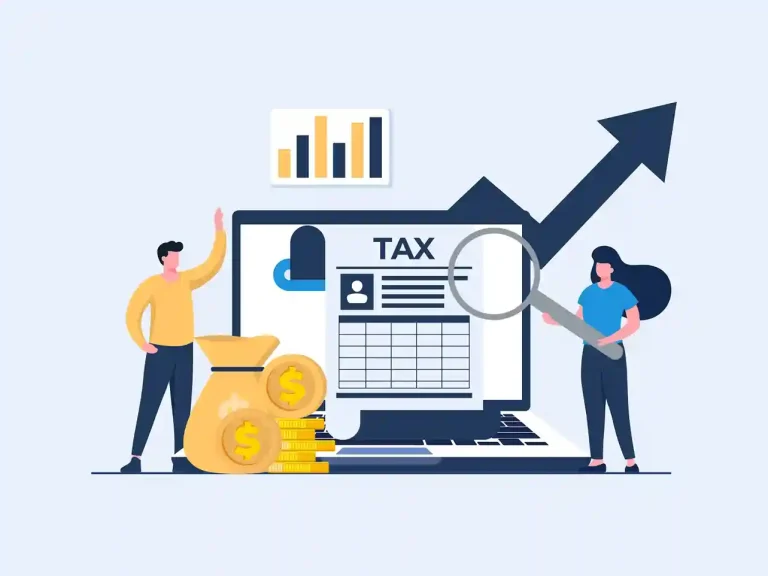
Tax optimization means using smart and legal ways to pay less tax. It is part of something called tax planning and optimization. When you learn about what is tax optimization, you can make better choices with your money. This means you don’t pay more tax than you need to. With effective tax optimization strategies and tax planning and optimization, you can keep more money in your business.
That money can help you buy tools, hire workers, or grow your shop. Even small businesses can use tax optimization. It helps you follow the tax rules while saving more. That’s why smart business owners use it every year to stay ahead and grow strong.
What You Will Learn From This Blog
This blog explains how tax optimization strategies help businesses improve cash flow, reduce tax legally, and support long-term growth.
- What tax optimization is and why it is important for businesses.
- How tax planning and optimization help businesses save money legally.
- How tax optimization strategies improve cash flow and support business growth.
- The steps involved in effective tax planning and optimization.
- Common challenges businesses face during tax planning and optimization.
- Why choosing the right business structure affects tax liability.
- How working with tax professionals helps improve tax planning and compliance.
What is Tax Optimization?
Tax optimization means using smart and legal tax optimization strategies to lower the tax you pay. You still follow all the rules, but you use smart tricks to pay less tax. This helps you save money, and you can use that money to buy tools, hire workers, or grow your business. Many smart businesses do this to stay ahead.
Tax optimization also helps businesses create a more predictable financial future. When business owners understand their tax obligations in advance, they can plan budgets more accurately and avoid unexpected tax burdens.
Regularly reviewing financial records and tax optimization strategies allows businesses to identify opportunities for improvement and make better use of available resources. Over time, this proactive approach can contribute to stronger cash flow management and support long-term business growth.
Let’s say you earn some money from your business. You will need to pay tax on it. You keep more of your money and use it in ways that help your business grow. That’s why smart planning matters.
How Tax Planning and Optimization Works
Make a Yearly Plan
Tax planning and optimization is like a money map for the year. You write down what you want to earn, save, and spend. When you plan well, you can pay less tax, keep more money, and support business growth throughout the year.
Look at What You Earn
You must know how much your shop or job pays. Write down all the money that comes in each month. This shows your real income and helps you apply tax optimization strategies before calculating how much tax you may owe.
Check What You Spend
Make a list of what you spend on things like rent, gear, travel, or bills. These are called “costs” or “business spends.” When you list them, they help lower your tax because they get taken off your total money.
Read the Tax Rules
Tax rules tell you what you can or can’t do. Some expenses, like gear or work trips, can lower your tax. If you know the rules, you stay out of trouble and may save cash.
Pick the Right Business Type
The way your shop is set up (like being on your own or in a group) changes how much tax you pay. Some types get to pay less. Picking the right one helps with smart planning.
Get Help from Experts
If tax feels too hard or confusing, ask someone who knows. Tax helpers (like pros or firms) can show you what to do. They recommend tax optimization strategies that match your business goals and current tax rules.
How Smart Tax Strategies Drive Business Growth
Keep More Money in Your Business
Smart tax optimization strategies help businesses pay only the taxes they legally owe. Reducing unnecessary tax expenses allows companies to retain more profits. Extra funds can be invested in new equipment, inventory, technology, or business expansion.
Reduce Overall Tax Expenses
Effective tax planning and optimization identify available deductions, credits, and exemptions that lower tax liabilities. Paying less tax legally improves cash flow and gives businesses more resources to invest in employees, marketing, and daily operations.
Take Advantage of Tax Incentives
Many governments offer tax incentives, deductions, and credits to support business growth. Proper tax optimization strategies help businesses use these opportunities while remaining fully compliant with tax regulations.
Increase Cash Flow for Growth
Lower tax payments leave more working capital available throughout the year. Businesses can use these savings to hire employees, expand into new markets, improve infrastructure, or invest in digital transformation.
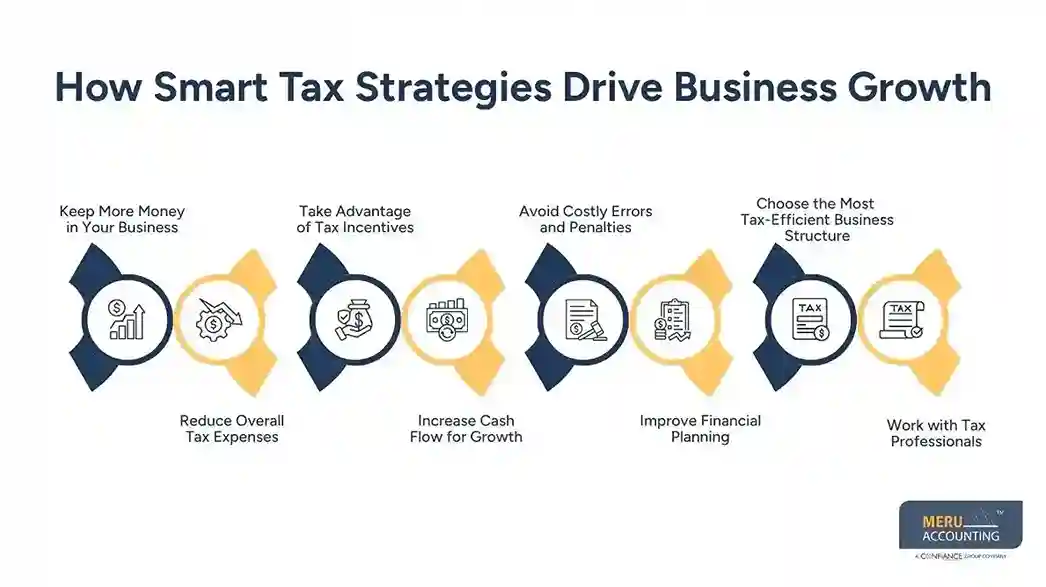
Avoid Costly Errors and Penalties
Poor tax management can lead to filing mistakes, missed deadlines, and financial penalties. A well-planned tax strategy helps businesses maintain accurate records, meet compliance requirements, and avoid unnecessary costs.
Improve Financial Planning
Knowing estimated tax obligations in advance allows businesses to create more accurate budgets and manage cash flow effectively. Better financial planning supports informed decision-making and long-term business stability.
Choose the Most Tax-Efficient Business Structure
Selecting the right business structure, such as a sole proprietorship, partnership, LLC, or corporation, can significantly affect tax obligations. Choosing the most suitable structure helps optimize tax efficiency and supports future growth.
Work with Tax Professionals
Experienced tax advisors understand changing tax laws and planning opportunities. Professional guidance helps businesses implement effective tax strategies, remain compliant, and maximize available tax-saving opportunities.
Key Challenges in Tax Planning and Optimization
Hard to Understand the Rules
Tax rules can be tricky. There are many rules, and they keep changing. It can be hard for small business owners to keep up and know what to do.
Missing the Right Time
Some tax optimization strategies need to be implemented at the right time to maximize tax savings. If you wait too long, you may miss out on saving money. Planning late can cost you more tax.
Picking the Wrong Business Type
If you don’t choose the best setup for your business, you might pay more tax. Many people don’t know which type is right for them.
Not Knowing What You Can Claim
Some costs can lower your tax. But many people don’t know which costs they can use. They may miss out on saving money.
Making Mistakes in Records
If your books or files are wrong, it can mess up your tax plan. Bad records can lead to fines or extra taxes.
Not Getting Help
Some people try to do it all alone. But without expert help, they may make mistakes or miss chances to save. A tax expert can guide you better.
Too Many Changes in Laws
Tax laws change often, so your tax optimization strategies should be reviewed regularly. If you don’t keep up, you may follow old rules by mistake. This can lead to wrong tax plans.
Not Enough Time
Running a business is busy. Many owners don’t have time to plan their taxes. Without time, they may rush and miss savings.
How Meru Accounting Helps Businesses Optimize Taxes and Drive Growth
Tax optimization strategies help businesses pay less tax while fully following tax regulations. It is part of tax planning and optimization. When you understand what tax optimization is, you can make better choices with your money. You keep more money in your business and use it to support business growth, hire people, or buy tools.
With help from Meru Accounting, you can learn how to use these tips the right way. Good planning means fewer mistakes and more savings. Start early, make a smart plan, and use tax optimization to build a strong business.
Our Expert Perspective
Businesses that treat tax planning as a year-round activity are often better prepared for financial growth than those that only focus on taxes during filing season. Effective tax planning and optimization is not only about reducing tax liability but also about improving cash flow, maintaining accurate financial records, and making informed financial decisions.
At Meru Accounting, we believe every business should regularly review its income, expenses, business structure, available tax-saving opportunities, and tax optimization strategies that support long-term financial goals.
Key Takeaways
- Tax optimization strategies help businesses reduce tax liabilities legally.
- Tax planning and optimization improve cash flow, support business growth, and strengthen financial stability.
- Claiming eligible deductions and tax credits increases business savings.
- Proper recordkeeping supports accurate tax filing and better planning.
- Selecting the right business structure improves tax efficiency.
- Early tax planning prevents costly penalties and missed opportunities.
- Regular tax reviews help businesses adapt to changing tax laws.
- Meru Accounting helps businesses implement effective tax optimization strategies while maintaining full tax compliance.
FAQs
Tax optimization means using legal strategies to reduce tax liability and keep more money in your business.
Tax planning covers overall financial planning for taxes, while tax optimization focuses on legally reducing tax payments.
Most ITIN application cases take about 7 to 11 weeks. Your ITIN number may take more time if the IRS needs more checks or if you file in the busy tax season.
Common strategies include claiming eligible deductions, using available tax credits, selecting the right business structure, maintaining accurate financial records, planning expenses, and working with tax professionals.
Businesses should review their tax optimization strategy at least once a year, with quarterly reviews providing even better results.
optional anymore
on running the business